Rajasthan Grapples with Surge in Environmental Offence Cases
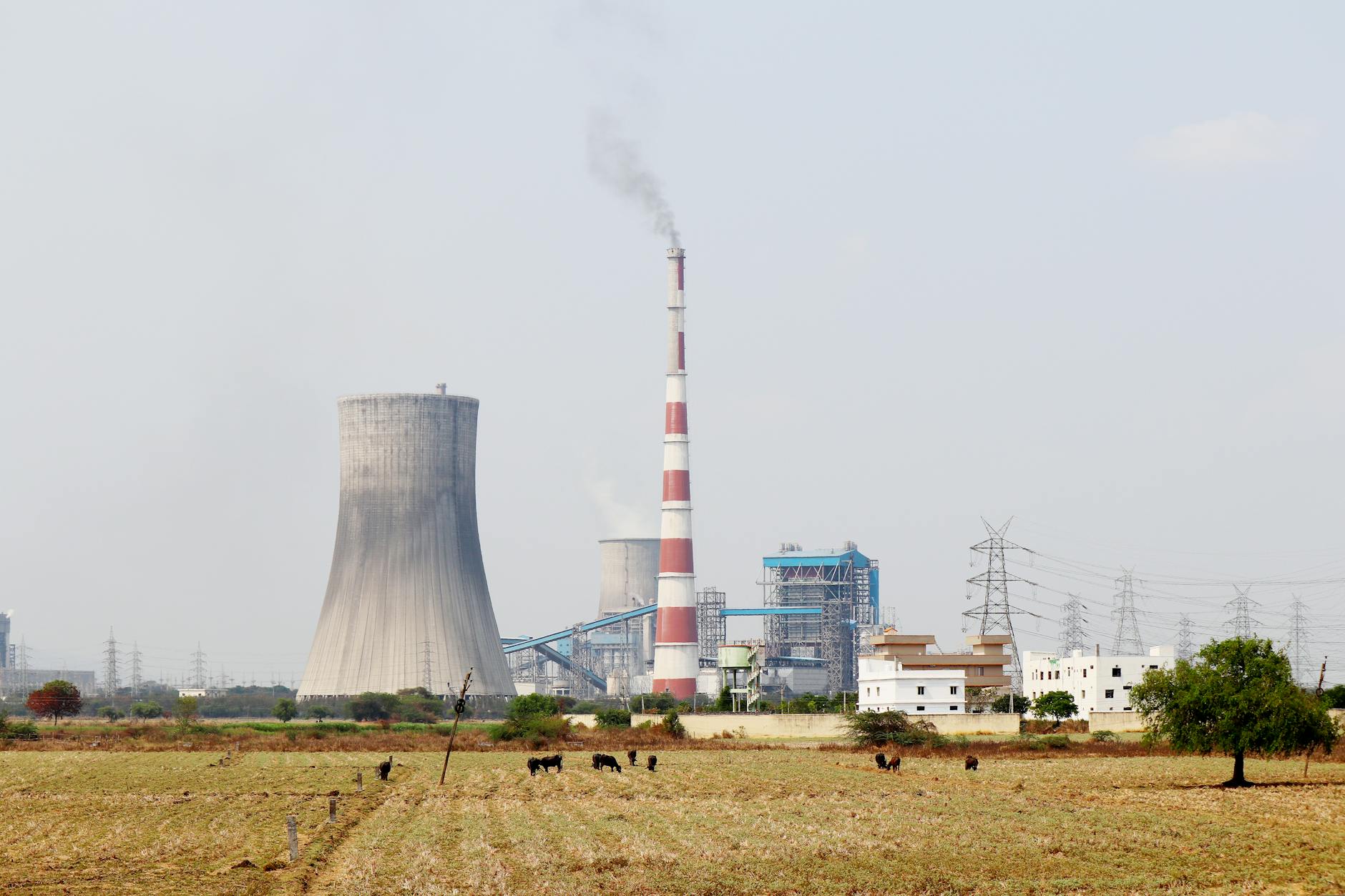
Rajasthan, a state known for its vibrant culture and historic landmarks, is wrestling with an altogether different kind of notoriety. The National Crime Records Bureau's (NCRB) latest data has thrust Rajasthan into the environmental spotlight, revealing it as the state with the second-highest number of environmental offences in India. A staggering 10,824 cases were recorded, with noise pollution violations constituting a significant portion of this figure.
Despite the grandeur of the state’s palaces and deserts, the incessant honking of vehicles and the clatter of construction have given rise to a cacophony that is difficult to ignore. Noise pollution alone accounted for 8,264 cases, more than any other state in the country. This has prompted environmentalists and local authorities to call for a more robust enforcement of pollution control measures.
Behind the Numbers
The rise in environmental offence cases is not unique to Rajasthan. Across India, these figures have ballooned from a modest 4,732 in 2016 to a staggering 42,143 in 2017. This dramatic increase raises questions about the effectiveness of current environmental laws and the political will to enforce them.
Critics point to the lack of cases filed under the Air and Water Act, which necessitates the Pollution Control Board to initiate legal proceedings. As environmentalist Anil Dutta observes, "The lack of cases in some of the most polluted cities is a telling sign of systemic failure."
Rajasthan's situation is exacerbated by the fact that, despite the high number of offences, arrests remain disproportionately low. In 2018, only 45 individuals were apprehended for environmental crimes, all of whom were subsequently charge-sheeted.
The Path Forward
While the sheer volume of cases is daunting, it also highlights the urgent need for change. Experts argue that without stricter enforcement and greater public awareness, Rajasthan's environmental woes will only deepen. Local authorities are urged to adopt a more proactive stance, ensuring that laws are not merely on paper but are actively upheld.
In the heart of this complex issue lies the need for a cultural shift towards environmental consciousness. As the state grapples with these challenges, it is clear that the road ahead will require both resolve and innovation to preserve Rajasthan's natural beauty for future generations.