Rajasthan's Schools: Shaping Identity Beyond Forts, Emphasises Deputy CM
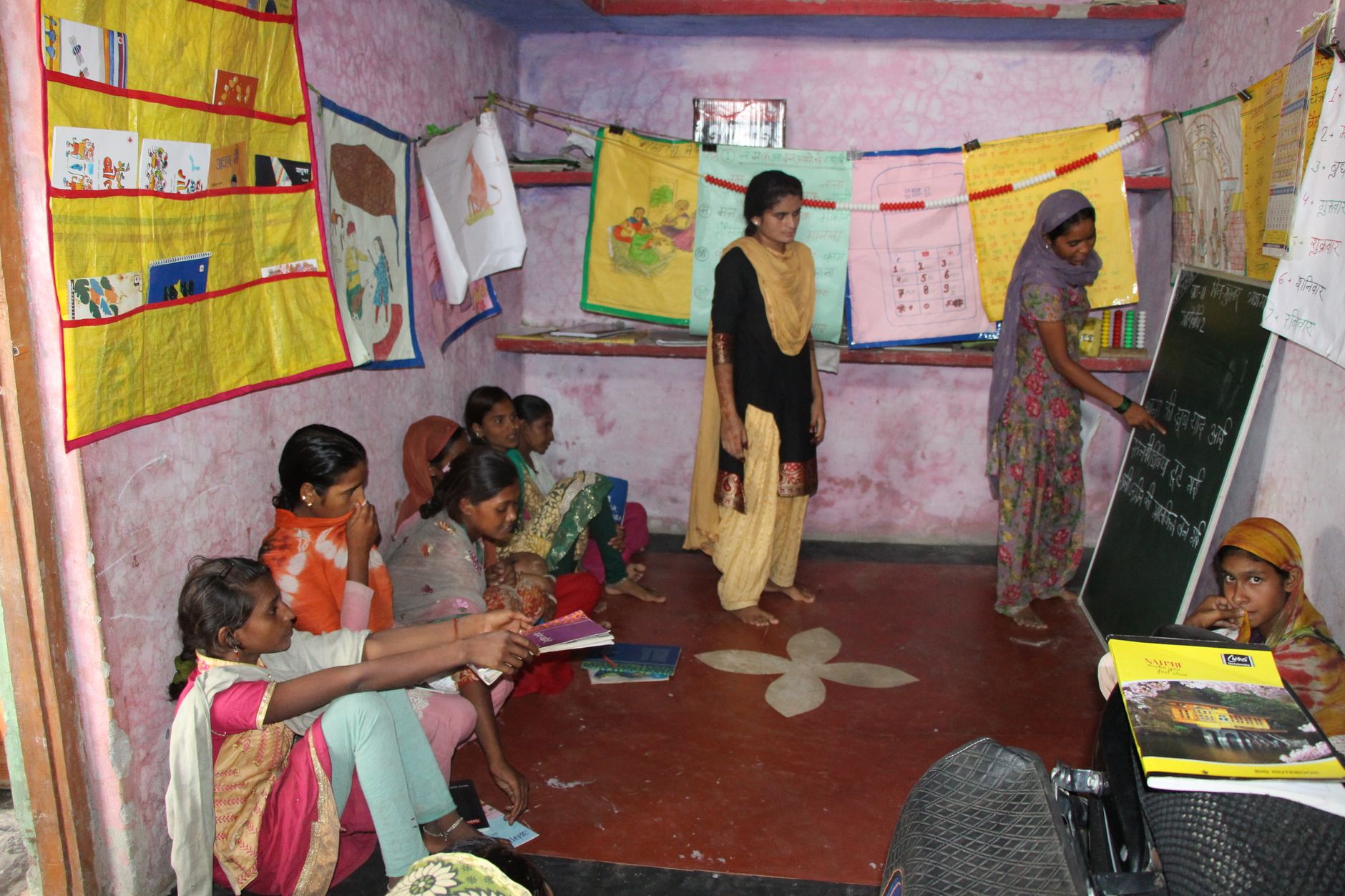
Amidst the echoes of history reverberating through Rajasthan's ancient forts, a quieter revolution is unfolding in the state's classrooms. While the grandeur of Jaisalmer or the formidable walls of Chittaurgarh capture the imagination, it is the state's educational landscape, particularly the strides in girls' education, that Deputy Chief Minister emphasises as pivotal to Rajasthan's identity.
At a recent press conference, the Deputy CM highlighted the state's commitment to fostering a conducive educational environment. 'Our heritage is not just in stone but in the minds we nurture,' he remarked, unveiling the 'Sarthak Naam Abhiyan' initiative. This programme aims to replace derogatory or awkward names in school registers with meaningful alternatives, thus addressing concerns over the impact such names can have on students' self-esteem and identity.
This initiative is part of a broader effort to reshape Rajasthan’s educational narrative. Historically, the state has faced challenges in education, with stark gender disparities and high dropout rates among girls. However, recent years have seen a concerted push towards improving these statistics. The government has been implementing various schemes, including scholarships and campaigns to encourage girls’ enrolment and retention in schools.
Educational Reforms: A New Dawn
The emphasis on girls' education reflects a significant shift in cultural attitudes. While the forts stand as a testament to Rajasthan's rich past, the schools are seen as the crucibles of its future. The 'Sarthak Naam Abhiyan', therefore, is more than a mere administrative change; it symbolises an ideological shift towards inclusivity and respect.
Beyond individual initiatives, the state’s educational reforms are also focusing on infrastructure improvements and teacher training, essential components for creating a supportive learning environment. The Deputy CM’s remarks underscore the importance of education as a tool for empowerment and social change, aligning with national educational goals.
In a state where tradition and modernity often walk hand in hand, these educational reforms represent a progressive step towards a more inclusive society. By investing in education, Rajasthan is not only honouring its past but also building a resilient future, where every child, regardless of gender, has the opportunity to thrive.