Rajinikanth Quashes Jealousy Rumours, Affirms Long-standing Bond with Stalin
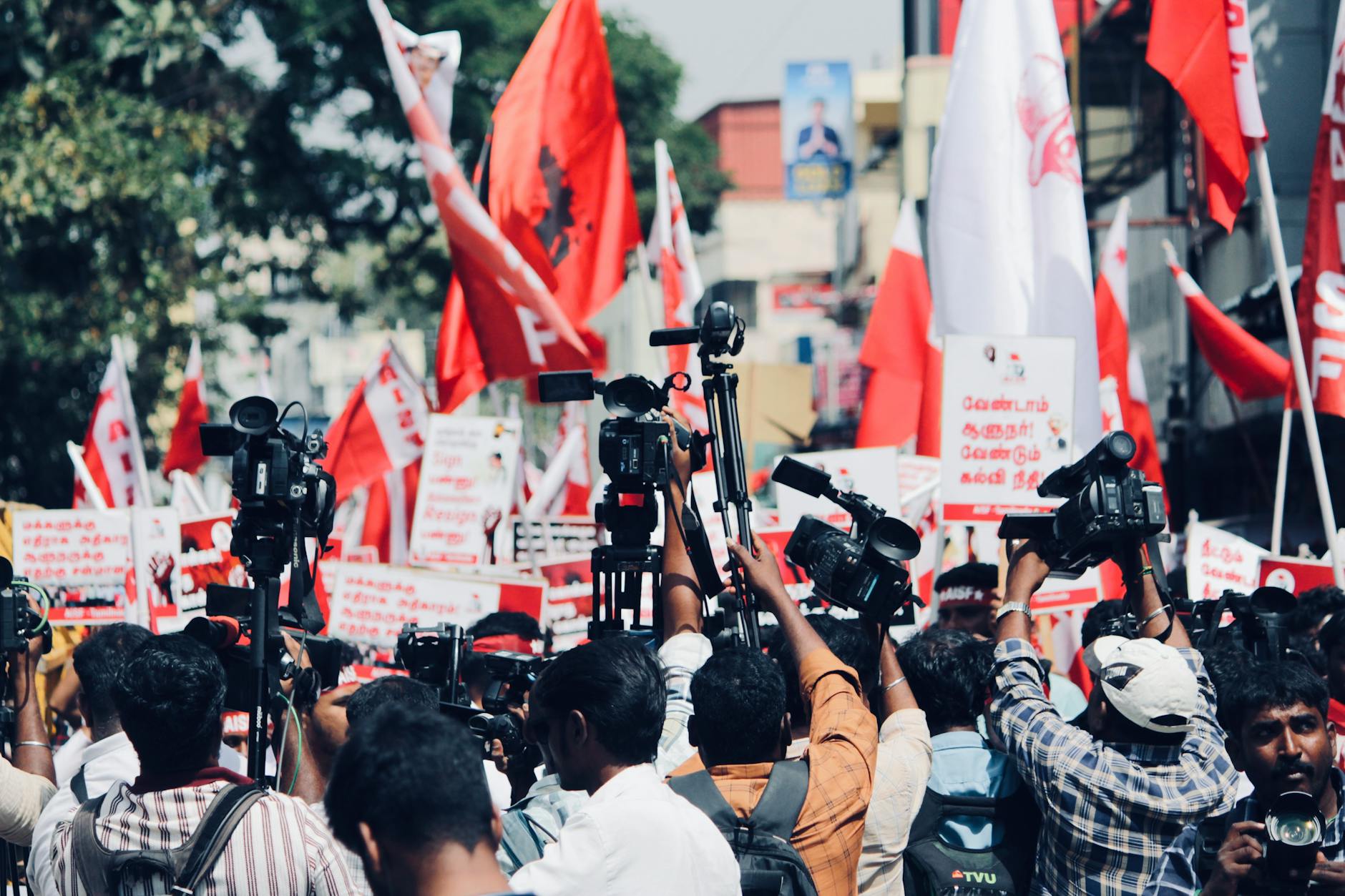
In the heart of Chennai at his iconic Poes Garden residence, Rajinikanth, the revered superstar, addressed the swirling storm of speculation regarding his political sentiments. The actor, often seen as a larger-than-life figure, was uncharacteristically candid as he dispelled rumours of jealousy towards Tamil Nadu's newly appointed Chief Minister, C Joseph Vijay.
Rajinikanth, in his inimitable style, remarked, "Not a cheap person," in response to conjectures about his political motives. He went on to elucidate his long-standing camaraderie with MK Stalin, affirming, "Mr Stalin has been my friend for 38-40 years. Our friendship is beyond politics." This statement seemed to underline his sincere intentions, setting aside any notions of political rivalry.
The actor's meeting with Stalin, post-election, had set tongues wagging, particularly given his absence from Vijay's swearing-in ceremony. Critics were swift to draw conclusions, but Rajinikanth clarified that his interaction with Stalin was purely on a personal level, born out of genuine friendship rather than political strategy.
"In a democracy, winning and losing are common," he mused, reflecting on the electoral battles that have shaped Tamil Nadu's political landscape. Rajinikanth acknowledged feeling a tinge of disappointment at Stalin's electoral loss, which prompted their meeting. Such an admission was rare, offering a glimpse into the personal ties that often underpin public personas.
Rajinikanth's foray into politics had been brief and, by his admission, not entirely fulfilling. He reiterated his decision to step away from the political arena, focusing instead on his cinematic pursuits and personal relationships. Yet, his presence in the political discourse remains, if not as a participant, then certainly as an influential commentator.
In closing, Rajinikanth urged for a more nuanced understanding of political relationships. He warned against allowing silence to perpetuate "false narratives," stressing the importance of addressing misinterpretations head-on. His words carried the weight of experience, a reminder that in the world of politics and cinema alike, perception often competes fiercely with reality.