Redefining Global Health: A Collaborative Future
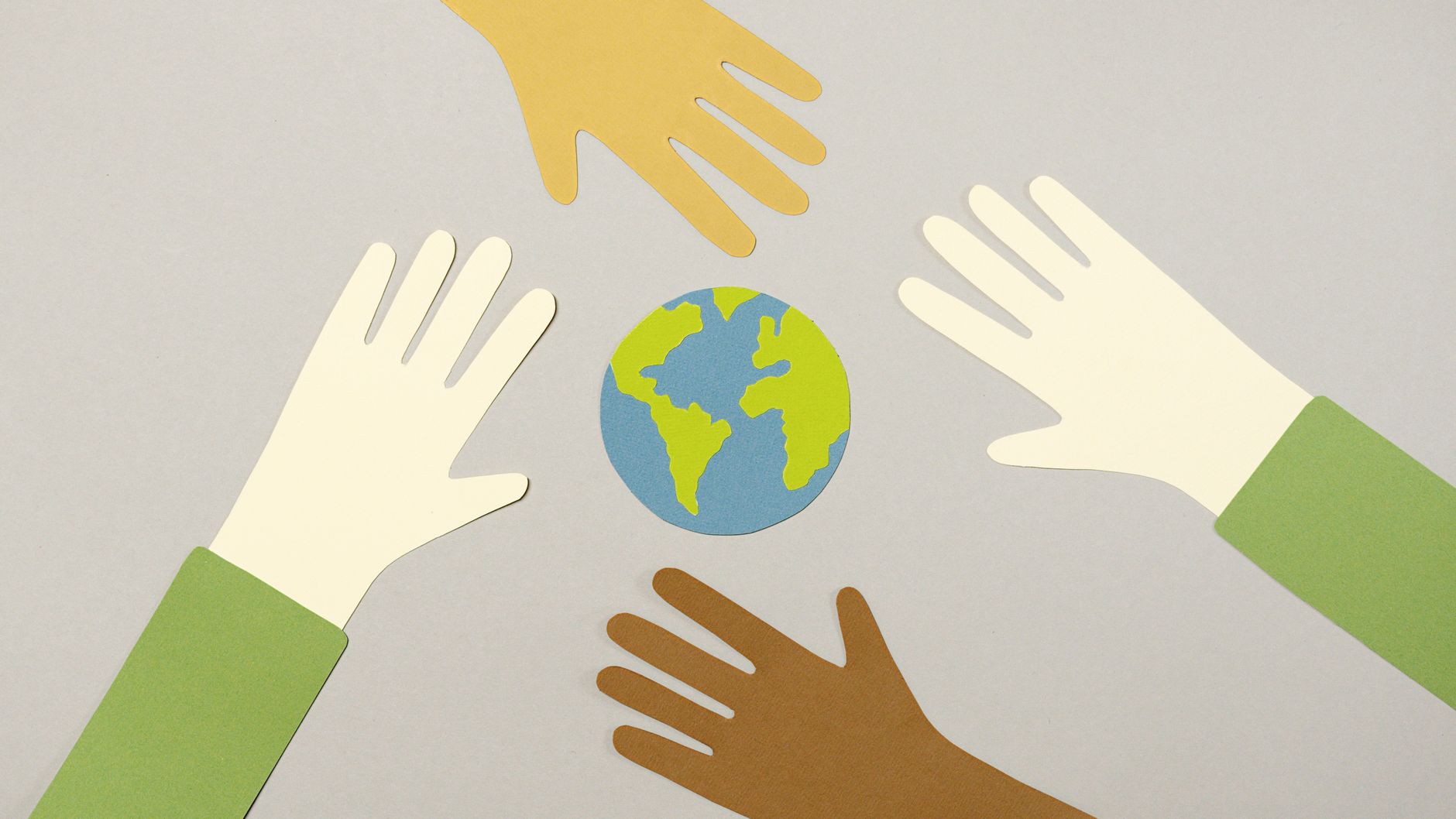
In the bustling halls of Geneva, a quiet revolution is underway. As health leaders convene to discuss the future of global health, the message is clear: the path forward requires more than just scientific breakthroughs; it demands unprecedented collaboration.
The Fourteenth General Programme of Work (GPW 14) by the World Health Organization sets a bold agenda from 2025 to 2028, aiming to realign the world with the health-related Sustainable Development Goals. This initiative not only seeks to advance health equity but also to build resilient systems amidst a world fraught with geopolitical and financial upheavals.
Building Bridges, Not Walls
In recent years, the global health landscape has been marred by crises and funding cuts, necessitating a reinvention of the way health systems operate. Experts from around the globe, including those at Wellcome, have underscored the importance of a connected health data network. Such a network is vital not only for streamlining current systems but also for integrating AI-driven solutions that can revolutionise healthcare delivery.
The Coalition for Epidemic Preparedness Innovations (CEPI), launched in 2017, exemplifies how diverse partnerships can drive substantial progress. By bringing together governments, vaccine manufacturers, and philanthropic organisations, CEPI has shown that collaboration can yield tangible results in the fight against global health threats.
The Road Ahead
Yet, as we stride into the future, the challenges remain daunting. The geopolitical shifts have made it clear that the old ways will no longer suffice. The call to reimagine global health architecture is not merely a suggestion but a necessity. This involves rethinking the systems, rules, and processes that underpin global health governance.
As the WHO and other stakeholders continue to push for reform, the emphasis is on inclusivity and proactive leadership. The global health community must foster an environment where diverse voices are heard, and innovative ideas are encouraged.
Ultimately, building the future of global health is not a solitary endeavour. It is a shared journey, one that requires the collective will of nations, institutions, and individuals. Together, with renewed commitment and collaboration, the vision of a healthier world can become a reality.