Religious Currents Reshape Bengal's Political Tapestry
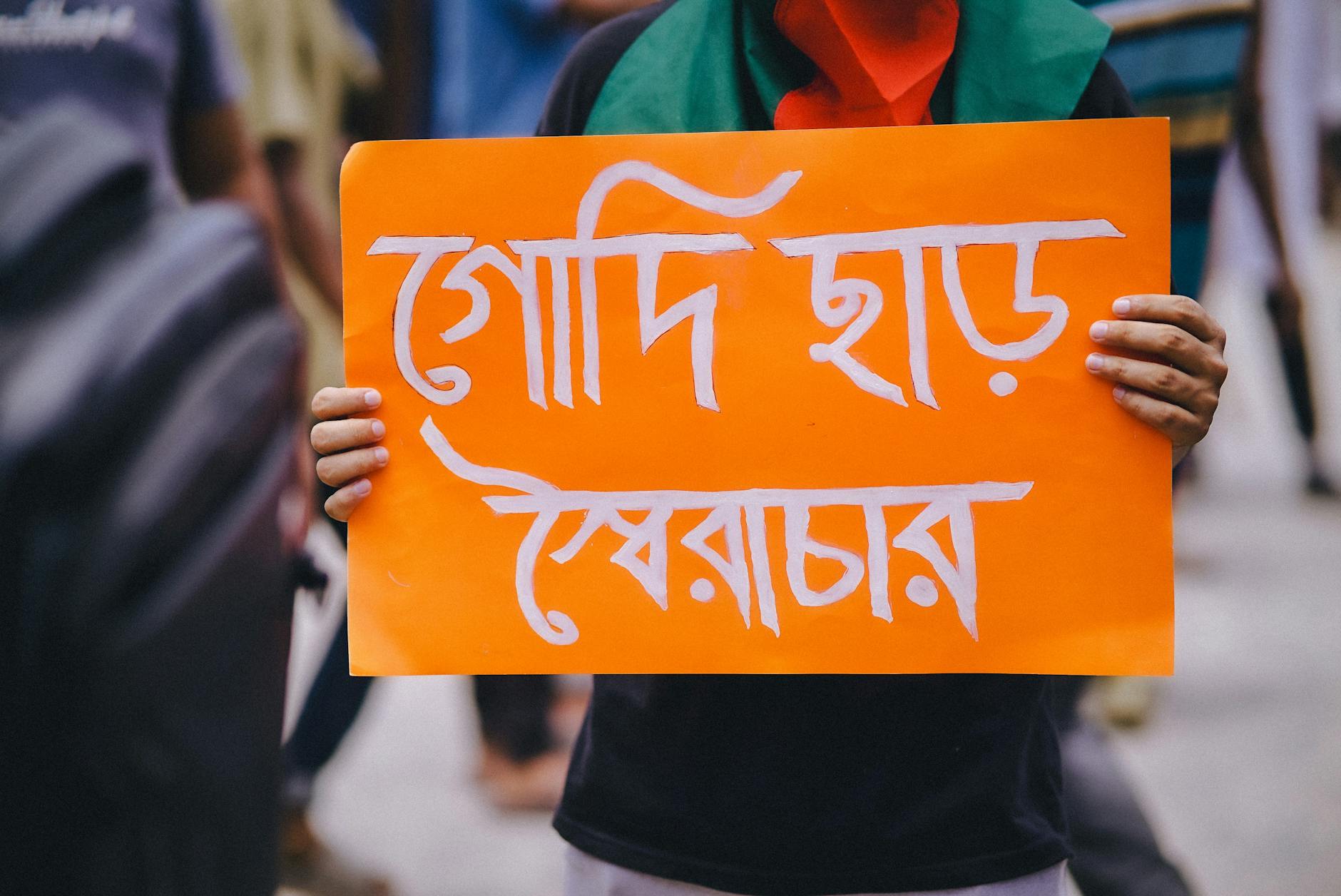
In the bustling markets of Kolkata and the placid villages across the border in Bangladesh, an old force is reawakening, reshaping political discourse with fervour and division. Religion, once a backdrop to Bengal’s rich tapestry of culture and politics, now stands centre stage, drawing new lines in the sand.
Historically, Bengal has prided itself on its secular ethos. The region, renowned for its intellectual vibrancy and cultural pluralism, is witnessing a significant shift. Across the border in Bangladesh, the influence of Islamist groups has seen a marked increase, challenging the secular foundations upon which the nation was established.
Meanwhile, in India’s West Bengal, the Bharatiya Janata Party (BJP) has capitalised on religious sentiment, using it as a tool to consolidate power. The party's recent success in the state elections, where it played to the Hindu nationalist gallery, underscores a new chapter in the region's politics. This ascent is not merely a political victory but signals a deeper ideological shift, one that could redefine Bengal’s identity in the years to come.
A New Political Gospel
The BJP's strategy has been meticulously crafted. By leveraging religious identity, the party has tapped into undercurrents of dissatisfaction and a yearning for change. This approach has resonated with a segment of the electorate, particularly those feeling marginalised by previous administrations.
In Bangladesh, religious influence is similarly reshaping the political landscape. Islamist groups have grown in prominence, influencing policies and public sentiment. This rise poses challenges for the secular ruling party, which now must navigate a delicate balance between maintaining its founding principles and addressing the demands of a more religiously conscious populace.
Implications for the Future
The intertwining of religion and politics in Bengal presents both opportunities and risks. On one hand, it has energised political participation, bringing new voices into the fold. On the other, it raises concerns about increased polarisation and the potential erosion of secular values.
As Bengal stands at this crossroads, the choices made by its leaders and citizens will echo beyond its borders. The region's political evolution will not only shape its future but also offer lessons for other parts of the world grappling with similar dynamics. In this contest of ideas and identities, the stakes are undeniably high, and the outcome uncertain.