Rethinking Life's Beginnings: New Theories Emerge
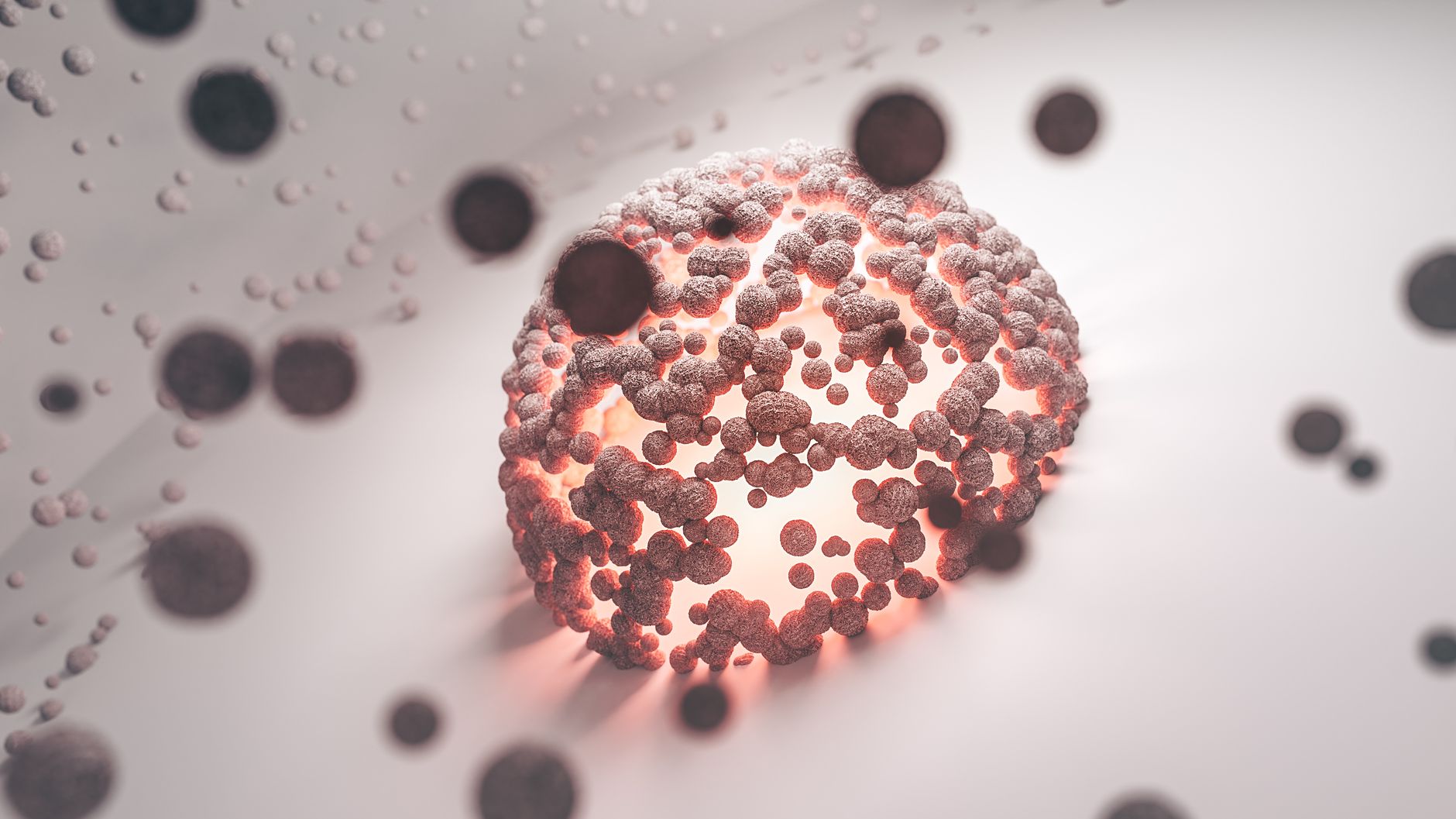
In the shadow of a microscope, the mysteries of life’s origins are being scrutinised anew. Recent breakthroughs in scientific research suggest that the genesis of life on Earth might be far more intricate than previously thought. For decades, the prevailing narrative centred around a primordial soup, a mix of organic molecules sparked into life by lightning or volcanic activity. Yet, as the dust of time settles, this story is being rewritten.
Scientists, armed with cutting-edge technology, are delving into the molecular intricacies that might have given rise to life. Studies have shown that life's building blocks could have formed in environments previously considered inhospitable, like deep-sea hydrothermal vents. These findings not only challenge the long-held belief in the 'warm little pond' hypothesis but also widen the scope of where life could potentially emerge.
Dr. Eleanor Carter, a leading microbiologist, remarks, "Each discovery opens a new chapter in our understanding of life's origins. What we once considered improbable is now plausible." Her team's research has unearthed evidence suggesting that life's precursors might have existed in more varied conditions than previously imagined. This revelation could have profound implications, not just for Earth's history, but for the search for life beyond our planet.
Beyond the Primordial Soup
The traditional view that life began in a warm, nutrient-rich environment is being challenged by theories suggesting that life's genesis could have occurred in colder regions or even space. The presence of complex organic compounds on meteorites supports the idea that some of life's ingredients might have an extraterrestrial origin, carried to Earth by cosmic travellers.
As the scientific community grapples with these revelations, the ripple effects extend beyond biological academia. The new understanding of life's beginnings invites a reexamination of evolution itself. While Charles Darwin's theory of evolution by natural selection remains robust, these new findings suggest that the initial conditions for life might have been more diverse than previously thought.
In the grand theatre of scientific inquiry, the origin of life remains one of the most compelling mysteries. As researchers continue to peel back the layers of time, the story of life's beginnings grows ever more complex, hinting at a universe of possibilities yet to be explored.