Revolutionary Water Battery Promises Centuries of Safe Use
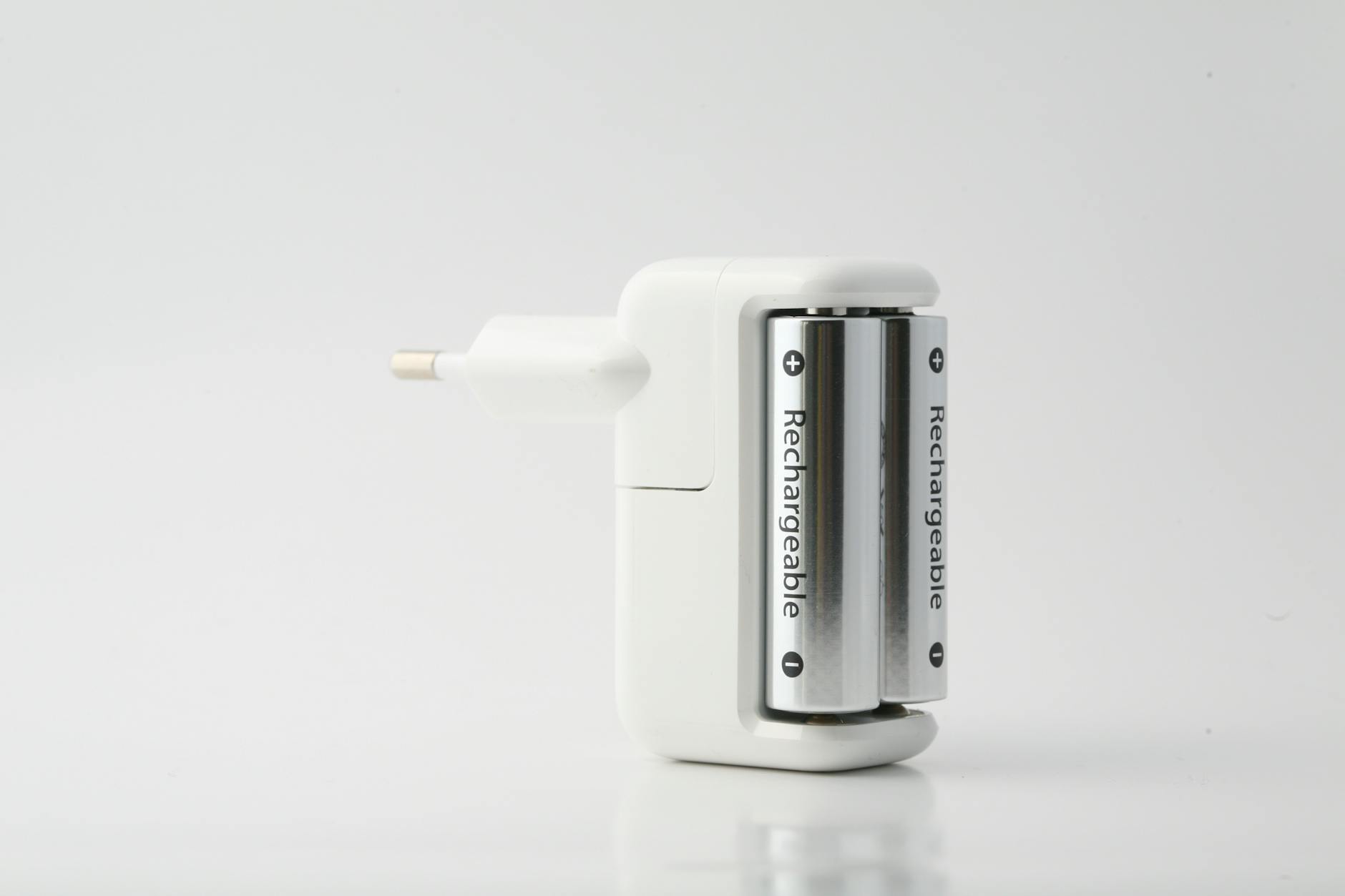
In a world grappling with environmental concerns, a new water battery emerges as a beacon of hope, promising not only longevity but also environmental safety. Engineered with synthesised covalent organic polymers (COPs), this innovative battery could potentially last until the 24th century. What's more, it can be safely discarded in the environment, a claim substantiated by a recent study.
Unlike its conventional counterparts, this water battery is designed with non-toxic materials, ensuring that its disposal poses minimal risk to the environment. The liquid within the battery is neutral, aligning with international safety standards and significantly reducing the environmental footprint usually associated with battery waste.
In the context of the 21st century's pressing environmental challenges, where plastic pollution and fast fashion dominate headlines, the introduction of a sustainable battery solution is indeed a breath of fresh air. The researchers behind this innovation have managed to overcome a significant hurdle in battery technology: degradation over time. Traditional batteries often lose efficiency and become environmental hazards when disposed of improperly. This water battery, however, defies that fate.
The development of this battery is reminiscent of Thomas Edison's own pioneering work at the turn of the 20th century. While his invention produced hydrogen, it took over a century for the potential of such innovations to be fully realised. Now, with the advent of this water battery, we are witnessing a similar breakthrough that could redefine how energy storage is perceived in the coming centuries.
The implications of such a development are profound. As the world increasingly relies on portable energy solutions, the need for sustainable alternatives becomes more pressing. This new technology not only addresses the immediate concerns of battery waste but also sets a precedent for future innovations in the field.
Researchers are optimistic about the next steps, which involve refining the technology for commercial use. If successful, this water battery could indeed be a pivotal step towards a more sustainable future, offering a viable alternative to the environmentally taxing batteries currently in use.