Revolutionising Neuroimaging: A Leap Forward in Health System Learning
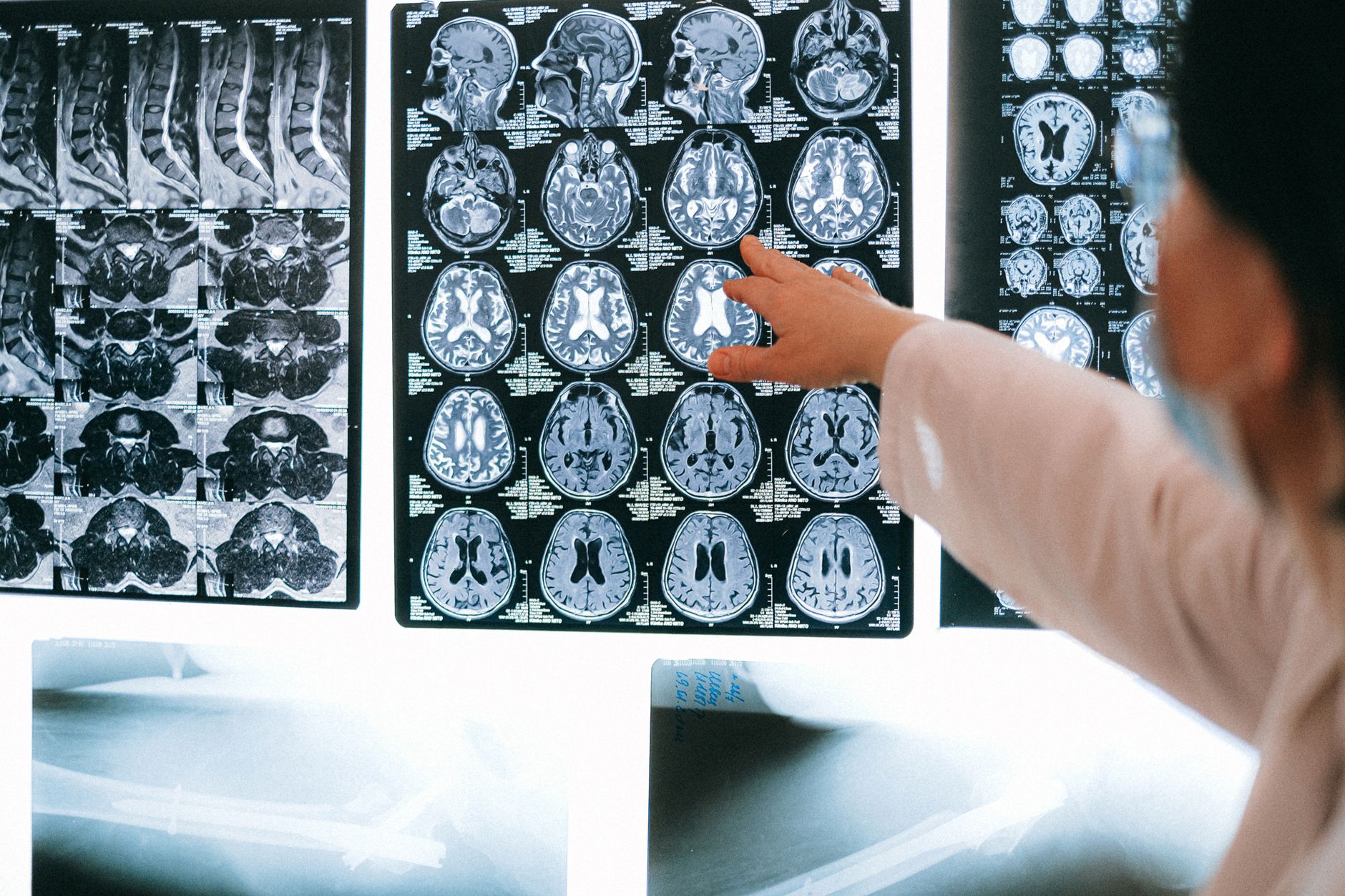
In the labyrinthine corridors of medical innovation, a new door has swung open. Researchers at Michigan Medicine have unveiled what could be a transformative leap in the field of neuroimaging. By employing a novel approach known as Health System Learning (HSL), they have developed generalist neuroimaging models that are poised to enhance the precision and efficiency of diagnosing neurological disorders.
The endeavour, grounded in the analysis of a staggering 5.24 million volumes of MRI and CT data, marks a significant milestone. This data trove, amassed over two decades, offers a rich tapestry of clinical information, which the newly introduced NeuroVFM model has been meticulously trained on. The implications are profound, potentially heralding a new era where diagnostic processes are not only faster but also more accurate.
Changing the Diagnostic Landscape
Neuroimaging has long been a cornerstone in diagnosing conditions such as strokes, tumours, and other brain disorders. However, traditional models often require specialised approaches tailored to specific conditions. Generalist models, on the other hand, offer a versatile alternative, capable of adapting to a broader range of diagnostic challenges with equal proficiency.
Health System Learning, the paradigm underpinning this advancement, is a systems-based approach that continuously integrates clinical data. It aims to drive adaptive improvements in healthcare outcomes, efficiency, and cost-effectiveness. By directly modelling the data-generating processes of large health systems, it provides a dynamic framework that evolves in tandem with emerging clinical insights.
A New Horizon for Healthcare
The introduction of such comprehensive models is not merely a technical achievement; it holds the promise of reshaping patient care. With the ability to process and interpret vast datasets, these models can streamline diagnostic workflows, potentially reducing the burden on radiologists and allowing for more timely interventions.
Moreover, the broader implications for healthcare systems are significant. By enhancing diagnostic accuracy and efficiency, these models could contribute to more personalised treatment plans, ultimately improving patient outcomes and reducing healthcare costs.
As the medical community continues to grapple with the complexities of neurological conditions, the advent of generalist neuroimaging models offers a beacon of hope. While challenges remain in the integration and deployment of such technologies, the groundwork laid by the Michigan Medicine team is a testament to the power of innovative thinking and the relentless pursuit of better healthcare solutions.