Revolutionising Neuroimaging: Harnessing Health System Learning
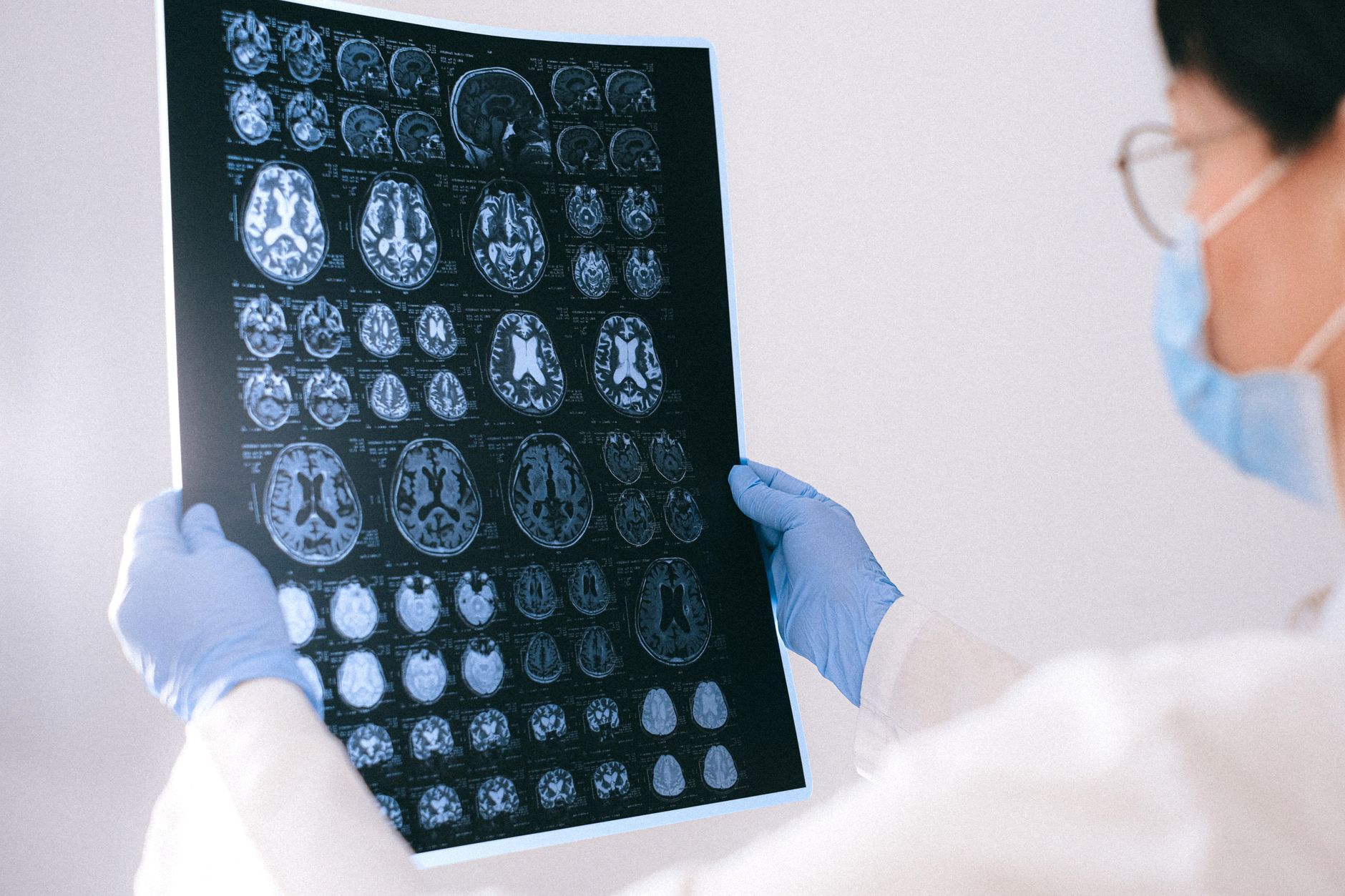
In the labyrinthine corridors of Michigan Medicine, a quiet revolution is underway. Researchers have unveiled NeuroVFM, a visual foundation model for neuroimaging, which promises to transform the landscape of medical diagnostics. Unlike traditional research-dependent models, NeuroVFM is born from an innovative approach known as 'health system learning'.
This paradigm shift involves training models using uncurated data directly from health systems, rather than relying on filtered datasets. It's a method that reflects the chaotic, unfiltered realities of clinical operations, capturing a breadth of information that was previously inaccessible. With a staggering 5.24 million MRI and CT volumes from over two decades, the UM-NeuroImages dataset offers an unprecedented resource.
Such magnitude allows the model to become a generalist, capable of adapting to various diagnostic tasks without needing specialised tweaks. This has significant implications for patient care, particularly in enhancing the accuracy and efficiency of neuroimaging diagnostics.
The Role of Health System Learning
Health system learning represents a marriage of technology and practical medical application. By engaging with the ongoing data streams from clinical settings, it enables the creation of models that are not only more robust but also more reflective of real-world conditions. This approach is poised to democratise access to cutting-edge diagnostic tools, bringing them closer to everyday clinical practice.
The potential benefits are vast. From quicker diagnosis times to more personalised treatment plans, the implications extend beyond traditional research silos, offering a more holistic view of patient health. This, in turn, could lead to better health outcomes and a more efficient allocation of resources within health systems.
Challenges and Future Prospects
Despite its promise, the implementation of health system learning is not without challenges. Data privacy concerns, the need for sophisticated computational infrastructure, and the complexity of integrating such systems into existing workflows all pose significant hurdles. Yet, the potential rewards make it a pursuit worth exploring.
As researchers continue to refine these models, the hope is that they will not only enhance diagnostic accuracy but also pave the way for a new era of personalised medicine. The journey is just beginning, but the destination holds the promise of a healthcare system more attuned to the needs of its patients.