Revolutionising Neuroimaging: The Role of Health System Learning
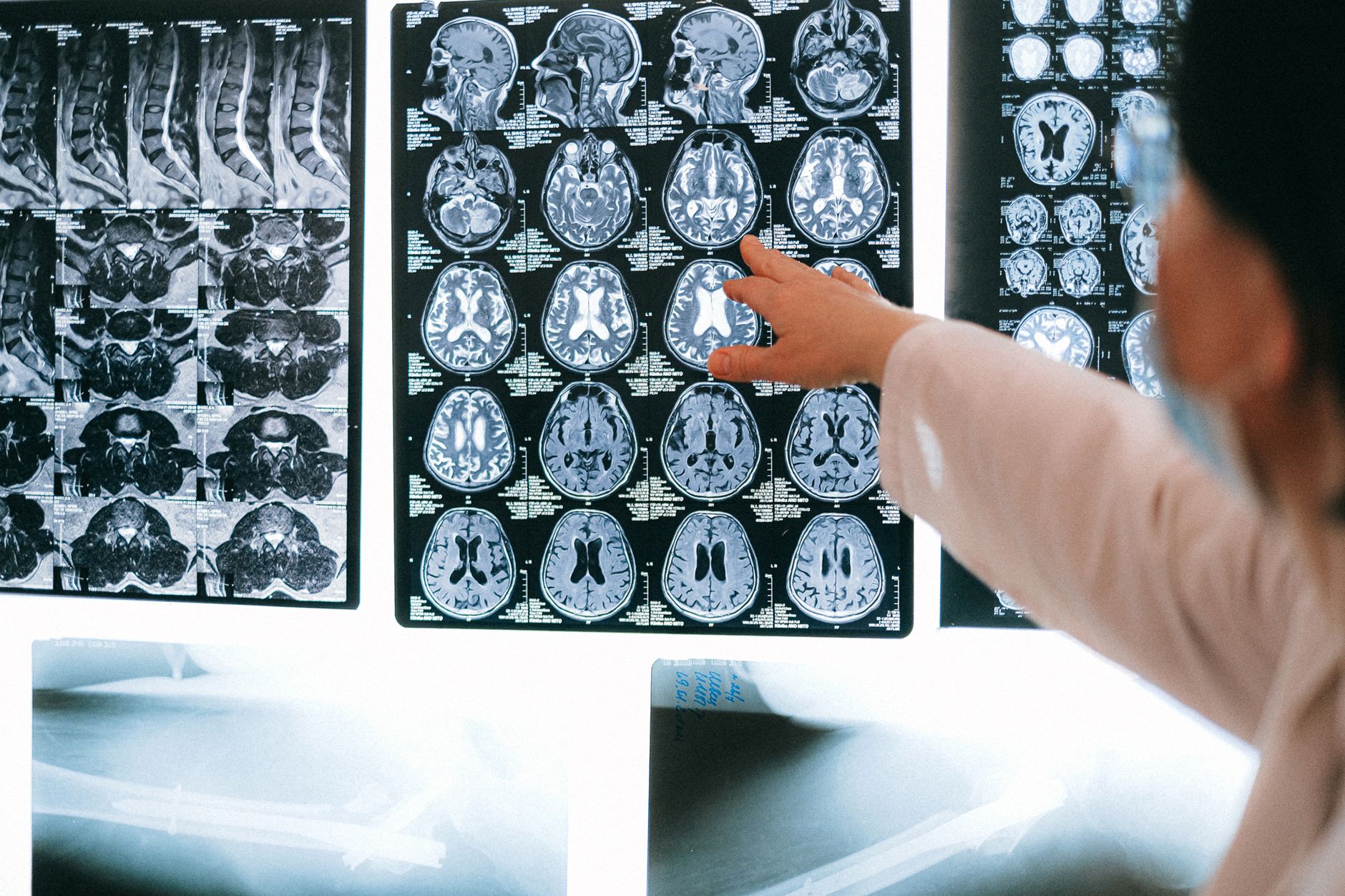
In an era where the digital and medical worlds increasingly intertwine, a novel approach to neuroimaging is making waves. Health system learning, a paradigm shift in data utilisation, is enabling the development of generalist neuroimaging models that could transform diagnostics as we know them.
At the heart of this innovation is the UM-NeuroImages dataset, a colossal collection of 5.24 million volumes from 566,915 studies conducted over two decades at Michigan Medicine. Unlike traditional research methodologies that rely on filtered datasets, health system learning engages directly with the uncurated data streams of real-world clinical operations. This method not only broadens the scope of available data but also mirrors the complex realities of clinical practice.
The Rise of NeuroVFM
Leading the charge is NeuroVFM, a visual foundation model born from this data-rich environment. Trained with the help of FlashAttention-2 v2.6.3, NeuroVFM leverages the power of health system learning to deliver a versatile and comprehensive tool for neuroimaging. By employing a direct engagement with clinical data, researchers have sidestepped the limitations of conventional datasets, paving the way for more dynamic and adaptable diagnostic tools.
These models are not just academic exercises; they hold the potential to significantly enhance the accuracy and efficiency of neuroimaging diagnostics. With the capacity to process vast amounts of raw data, these models can uncover patterns and insights that might otherwise remain hidden.
Implications for the Future
The implications of health system learning extend far beyond the confines of neuroimaging. This approach could redefine how medical models are developed, shifting from a reliance on controlled experimental data to a more holistic integration of real-world information. This not only promises more robust and adaptable models but also aligns with the growing need for personalised medicine.
As the healthcare sector continues to grapple with the challenges of data utilisation, the success of health system learning in neuroimaging may serve as a blueprint for future innovations. By capitalising on the wealth of information already captured in health systems, researchers are not just enhancing diagnostic tools but also reshaping the very foundation of medical research.