Rising Government Health Spending Fails to Ease Household Burden
In the aftermath of the COVID-19 pandemic, the Indian government's health expenditure has seen a notable rise, yet the financial burden on households remains stubbornly high. The government's spending ascended to 1.84 per cent of GDP in 2021-22, a significant leap from previous years, but this has not alleviated the out-of-pocket expenses that many families continue to endure.
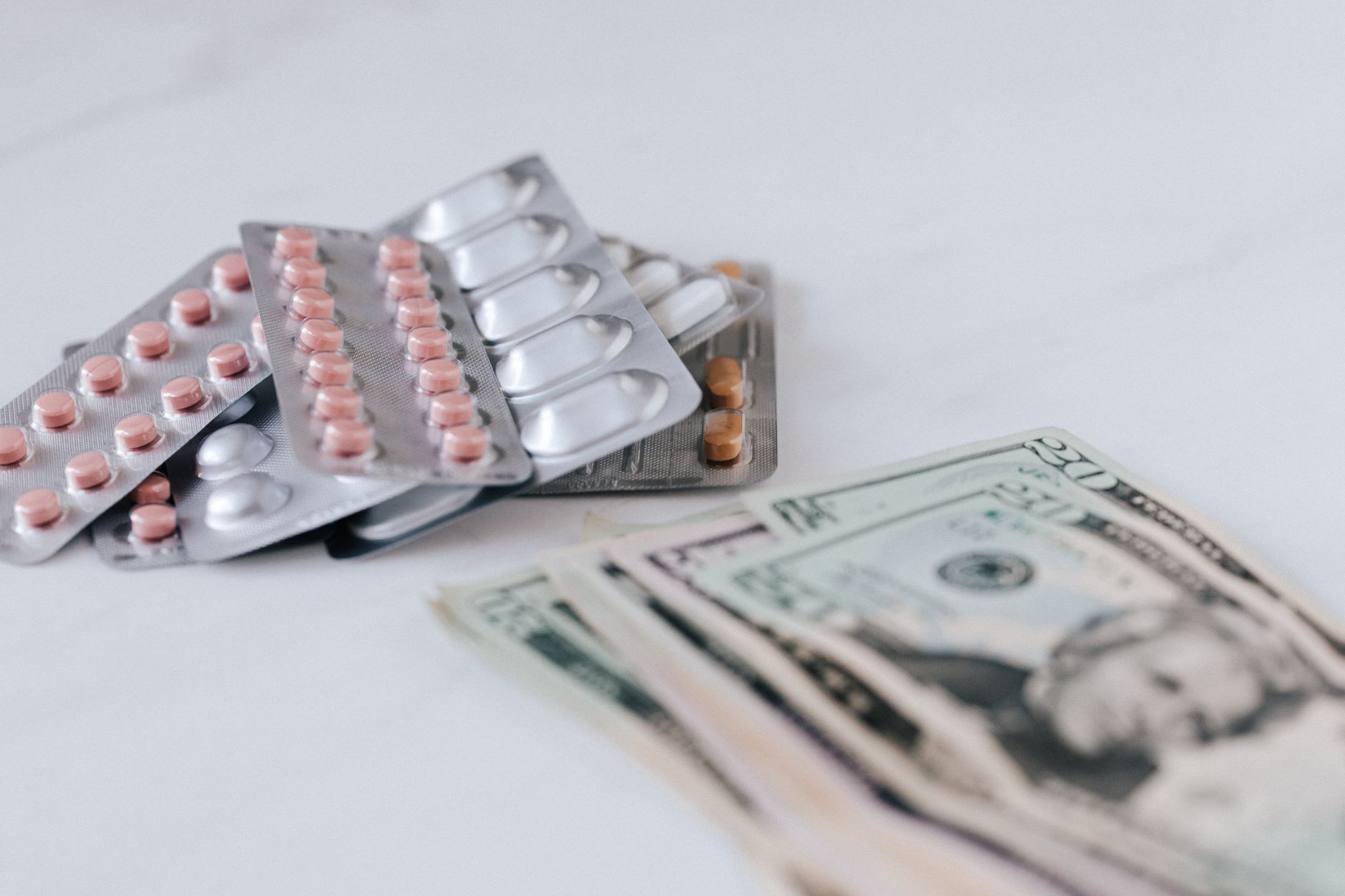
The private healthcare sector, which accounts for 30.8 per cent of the current health expenditure, plays a pivotal role in this ongoing saga. Pharmaceuticals and medical goods contribute more than 21 per cent, underscoring the entrenched reliance on private solutions to public health challenges.
Government Initiatives and Household Burden
While the Narendra Modi government has launched several initiatives aimed at reducing out-of-pocket spending, the impact is only partially visible. Household expenses have indeed decreased from 63 per cent to 39 per cent, but the challenge remains significant. This reduction is a step in the right direction, yet it highlights the enduring gap between policy intentions and on-the-ground realities.
The increase in government health expenditure, from ₹1.30 lakh crore in 2013-14 to ₹3.85 lakh crore in 2022-23, indicates a commitment to improving public health infrastructure. However, the continued dominance of the private sector suggests that government intervention is insufficient to meet the healthcare needs of the population fully.
A Persistent Healthcare Challenge
The figures paint a complex picture of India's healthcare system, where increased spending does not automatically translate to reduced household financial burdens. The government’s efforts, though commendable, must now focus on addressing the systemic issues that keep private healthcare at the forefront. Strengthening public health infrastructure and ensuring affordable access to medical goods and services are critical for alleviating the financial pressure on Indian households.