Rupee's Fall and Visa Hurdles: Indian Students' Overseas Education Dilemma
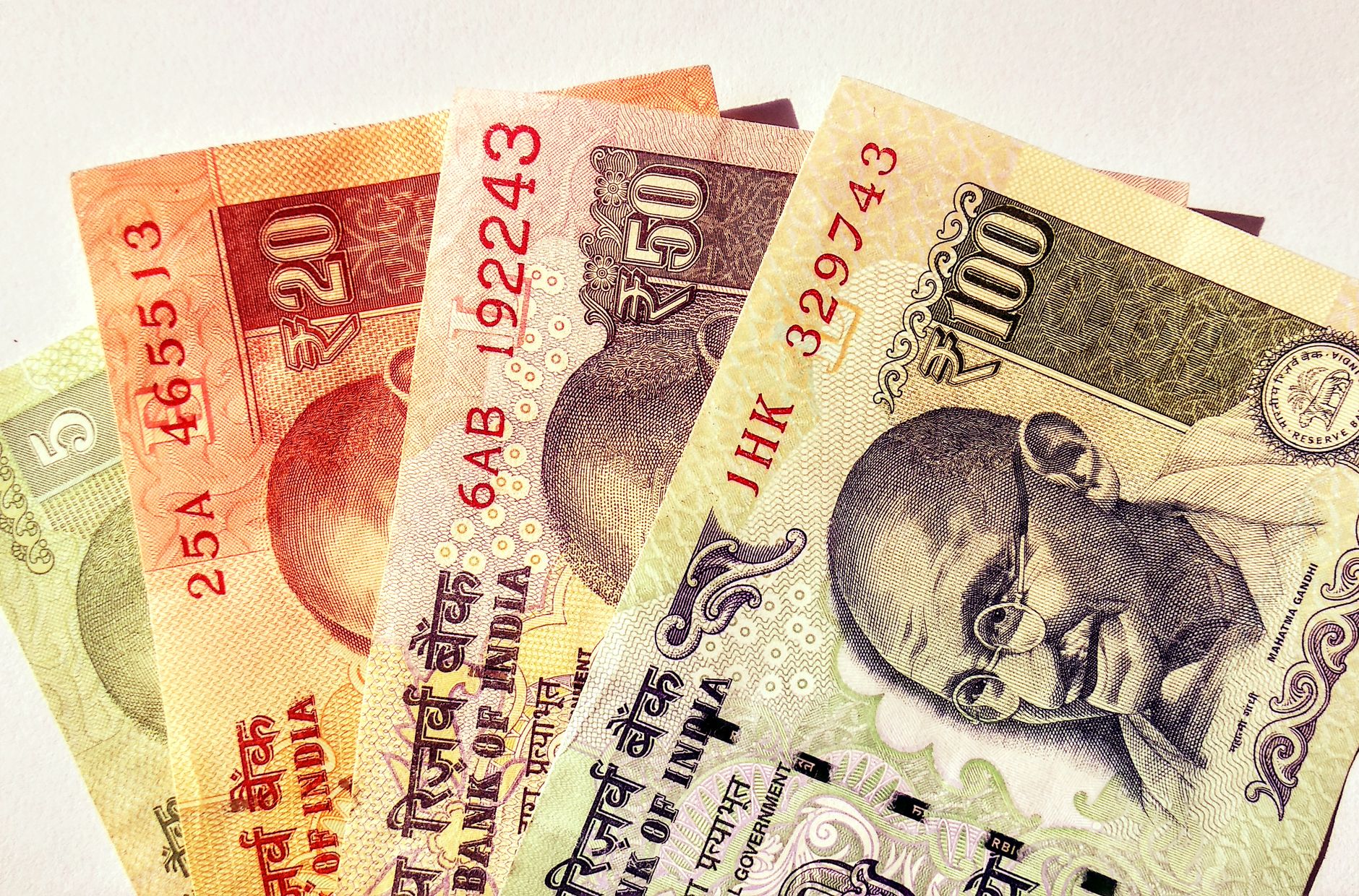
In the bustling lanes of Mumbai and the educational hubs of Delhi, a quiet anxiety is brewing among families and students. The Indian rupee’s descent against major currencies and the increasingly complex web of visa regulations are forcing many to question the viability of pursuing higher education abroad.
For years, studying overseas has been a coveted aspiration for countless Indian families. The promise of superior education, global exposure, and the prospect of lucrative employment opportunities has lured many to invest heavily in this dream. However, with the rupee's value dwindling, coupled with stricter visa policies in countries like the UK and Canada, this dream is now fraught with uncertainty.
Financial Strain on Families
The depreciation of the rupee means that the cost of education abroad, already a significant financial commitment, is becoming even more burdensome. For a middle-class family, the additional expense can be staggering. "We had planned everything for my daughter’s education in the UK, but with the current exchange rate, we’re forced to reconsider," says Rakesh Sharma, a concerned parent from Hyderabad.
Moreover, the tightening of visa rules adds another layer of complexity. Immigration authorities in popular destinations are implementing more stringent checks, leading to increased uncertainty and anxiety among prospective students. The process, once seen as a straightforward albeit lengthy affair, now seems like navigating a bureaucratic labyrinth.
Rethinking Destinations
In response, many students are exploring alternative destinations. Countries like Germany and Ireland, known for their favourable education policies and lower tuition fees, are becoming attractive options. Additionally, the rise of online education platforms is providing a viable alternative for acquiring international qualifications without the associated costs and travel concerns.
Despite these challenges, the allure of studying abroad remains strong. Students and their families are now approaching the situation with a more strategic mindset, weighing the long-term benefits against immediate challenges. The hope is that with careful planning and adaptability, the dream of an international education can still be realised, albeit on a different path than originally envisioned.
While the circumstances are daunting, they have sparked a broader conversation about the value of education and the need for systemic changes to make quality education accessible and affordable. The current situation, though challenging, might just be the catalyst needed for redefining educational aspirations on a global scale.