Russia Cleared to Compete in LA 2028 After IOC Lifts Ban
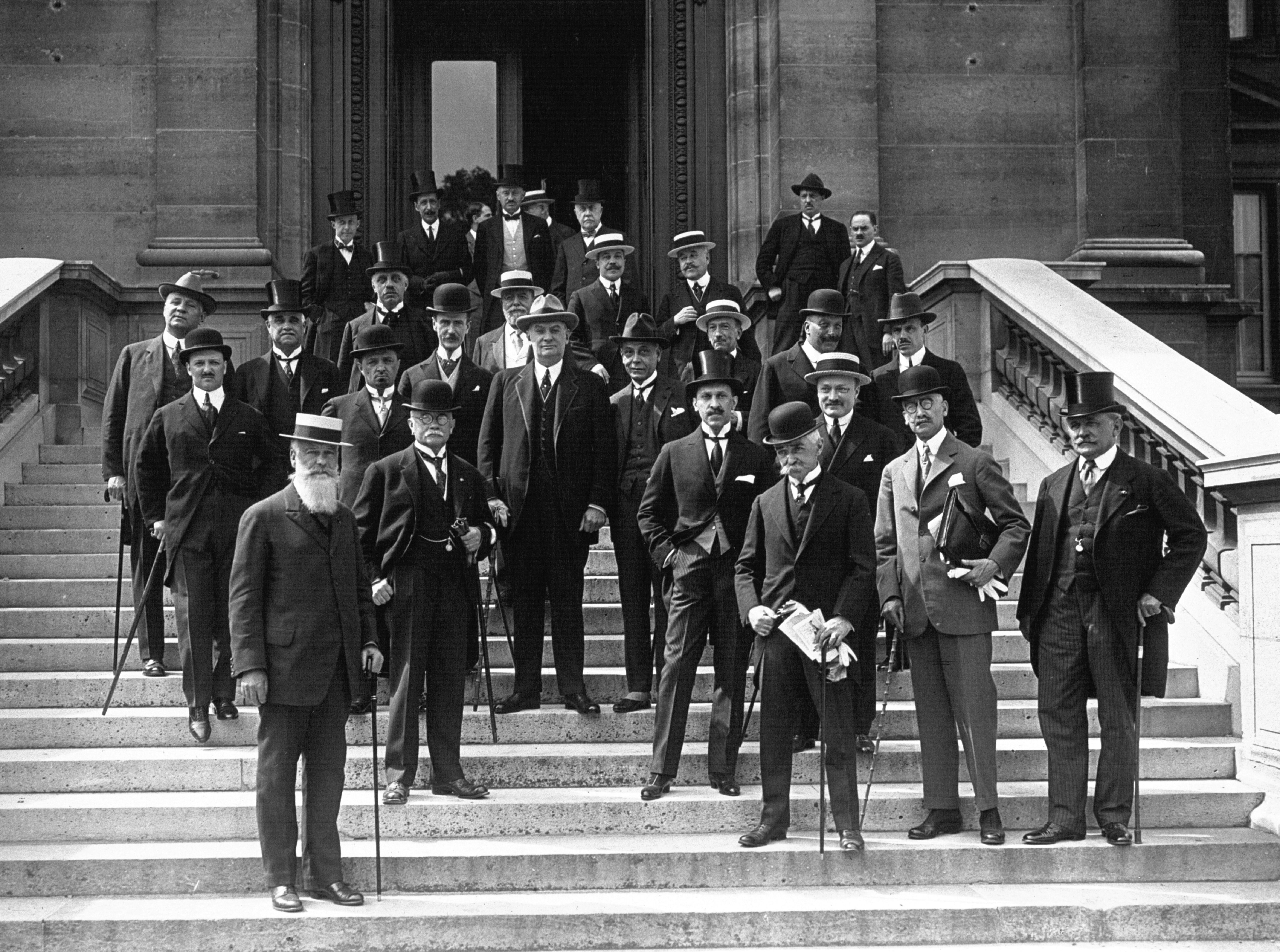
The International Olympic Committee (IOC) has officially lifted its suspension on Russia, a decision that could see Russian athletes returning to the Olympic fold in time for the Los Angeles 2028 Games. This development comes after a protracted period of international scrutiny and controversy, sparked by allegations of state-sponsored doping that led to Russia's initial ban.
In recent years, the IOC's stance on Russia has been a point of contention. The ban, originally imposed in response to the doping scandal that tainted the 2014 Sochi Winter Olympics, was meant to uphold the integrity of the sporting world. However, it also sparked debates about fairness and the collective punishment of athletes who had no involvement in the scandal.
Political Ramifications
The decision to reinstate Russia is not merely a sporting one; it carries significant political weight. The move is likely to be met with mixed reactions on the global stage. Some will view it as a step towards reconciliation and inclusivity, while others may see it as a premature absolution of past wrongs.
Critics argue that lifting the suspension without more stringent measures in place could undermine efforts to ensure a clean and fair competition. Proponents, however, contend that the IOC's decision reflects a willingness to move forward and focus on the future rather than the past.
Implications for the Olympics
For the Los Angeles 2028 organisers, the inclusion of Russian athletes is both an opportunity and a challenge. While the participation of a major sporting nation like Russia could enhance the competitive spectacle, it also demands rigorous oversight to maintain the Games' credibility.
Ultimately, the IOC's decision underscores the complex interplay between sports, politics, and diplomacy. As the world looks towards the 2028 Olympics, the focus will undoubtedly be on how effectively these elements can be balanced to ensure a fair and inclusive event.