Science-Backed Tips to Help Your Child Eat More Vegetables
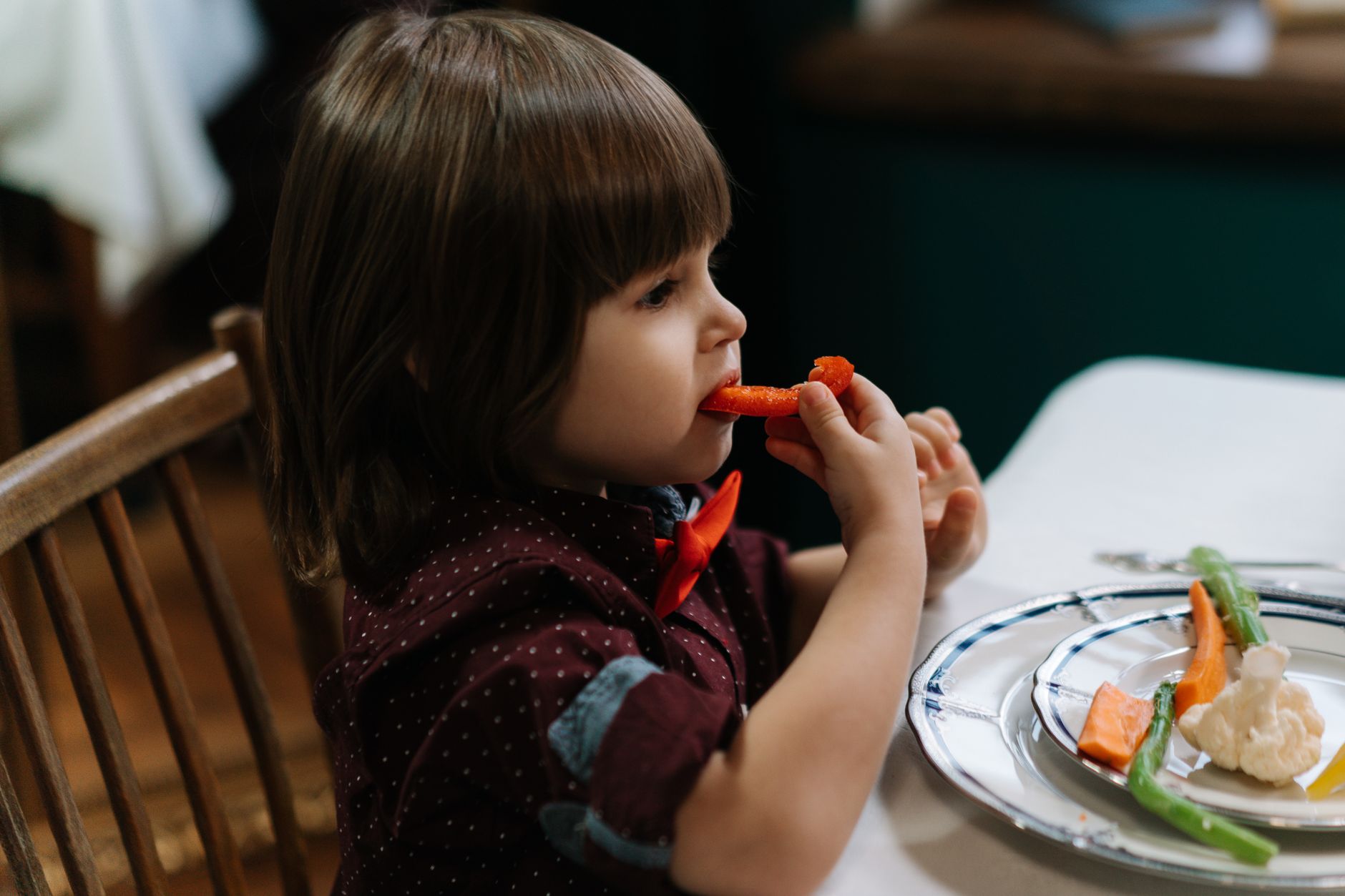
In the realm of parental challenges, getting children to eat their vegetables ranks highly. Yet, according to scientists, the key to overcoming this culinary conundrum may lie not in the vegetables themselves, but in how they are presented and introduced.
Research has shown that children are more inclined to try new foods when they are presented in a visually appealing manner. Dr. Emily Foster, a child nutrition expert, explains, "Children eat with their eyes first. A plate of broccoli can become a forest, carrots can be flowers. It's all about engaging their imagination."
But beyond the artistry of plating, repeated exposure is another potent tool. Studies suggest that offering a vegetable eight to ten times, without pressure, can significantly increase a child's willingness to eat it. This low-pressure approach counters the natural developmental phase known as 'neophobia', where children instinctively reject new foods.
The Science of Taste
Children's aversion to vegetables often stems from a biological predisposition to reject bitter flavours. However, this can be gradually overridden by pairing vegetables with familiar and favoured flavours. For instance, adding a light sprinkle of cheese to steamed broccoli can make it more appealing.
Moreover, involving children in meal preparation can also enhance their interest in vegetables. "When children have a hand in cooking, they're more likely to try what they've made," notes Dr. Foster.
Consistency is Key
The National Institute of Nutrition's guidelines emphasise the importance of making vegetables a consistent part of meals. By doing so, children learn to view them as regular staples rather than occasional obligations.
Ultimately, patience and creativity are essential. The battle to get children to eat vegetables may be long, but armed with these science-backed strategies, parents can turn mealtime into an opportunity for both nutrition and fun.