Scientists Warn of Scorching Conditions for World Cup 2026
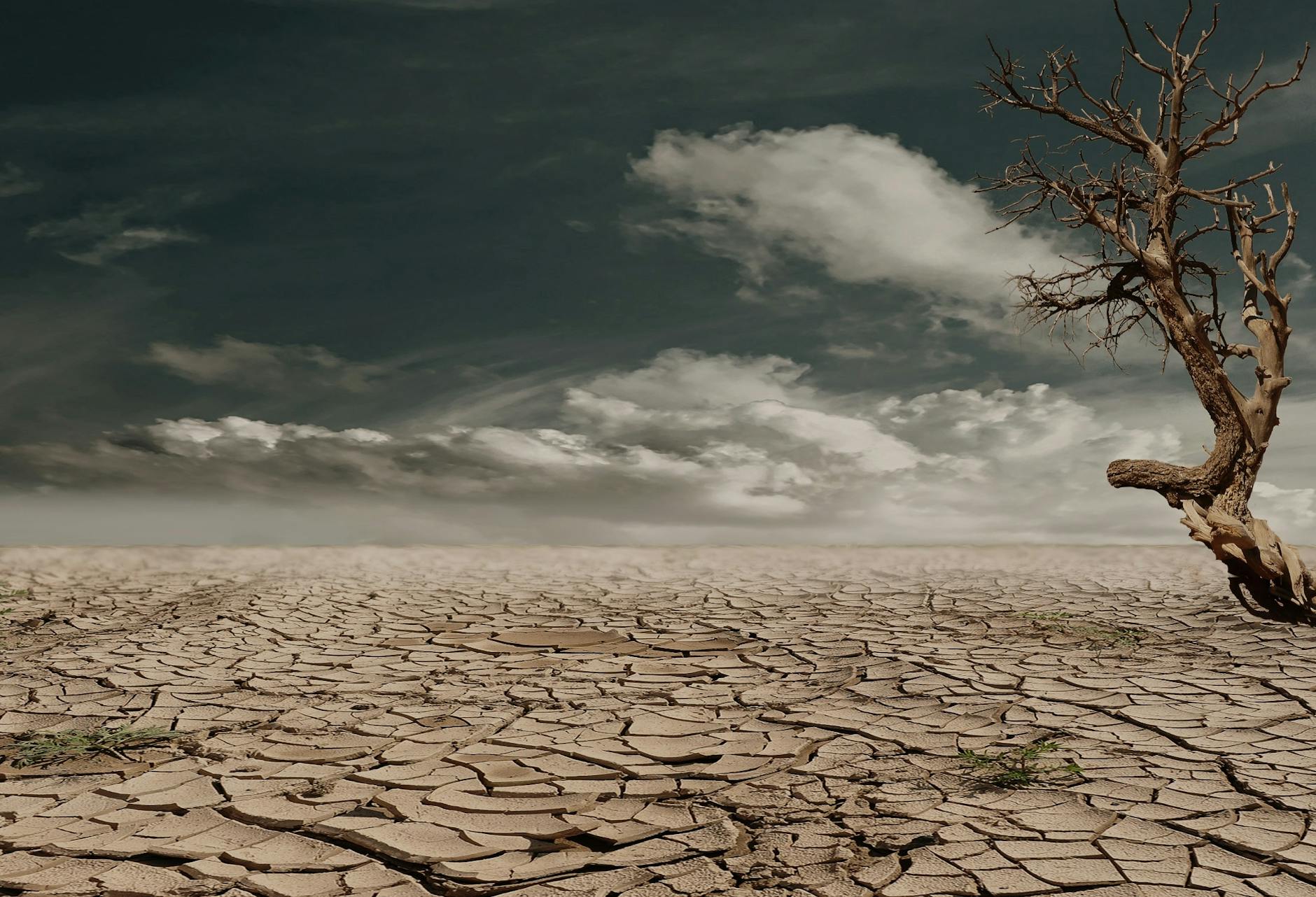
As football fans around the globe gear up for the 2026 FIFA World Cup, a different kind of heat is building off the pitch. Leading scientists have voiced concerns over the extreme weather conditions expected during the tournament, which is set to span three countries: the United States, Canada, and Mexico. While excitement mounts for this historic expansion to 48 teams, the spectre of sweltering temperatures looms large.
The tournament's timing, scheduled for the peak of summer, has raised eyebrows among climate experts. FIFA's current 'wet bulb' temperature policy is under scrutiny, with critics arguing it underestimates the physiological strain players will endure. This policy aims to protect athletes from heat-related illnesses by monitoring temperature and humidity, but some scientists believe it falls short of the mark.
Adding to the controversy is the fact that Saudi Aramco, the world's largest oil producer, is a key sponsor of the 2026 World Cup. The potential for Saudi Arabia to host the 2034 tournament further entangles football with global energy politics. This has not gone unnoticed by environmental activists, who see the sponsorship as a contradiction to the sustainability goals often touted by international sporting bodies.
The expansion to 48 teams means the tournament will stretch over five weeks, intensifying the logistical challenges. Matches in the United States, where 'corn sweat' — a phenomenon where humidity rises due to moisture from crops — could exacerbate conditions, are of particular concern. England's squad, among others, may find themselves battling not just opponents, but oppressive humidity.
In light of these challenges, there are calls for FIFA to reassess its heat management strategies. Suggestions include altering match times to avoid the midday sun and increasing hydration breaks. Meanwhile, players and teams are likely to implement their own measures to mitigate the heat, from acclimatisation camps to advanced cooling techniques.
As the tournament approaches, the focus remains on whether FIFA can effectively balance the demands of a global spectacle with the pressing realities of climate change. The world will be watching closely, not just for the dribbles and goals, but for how the beautiful game adapts to an ever-warming world.