Scorching Heat Dome Engulfs Western United States
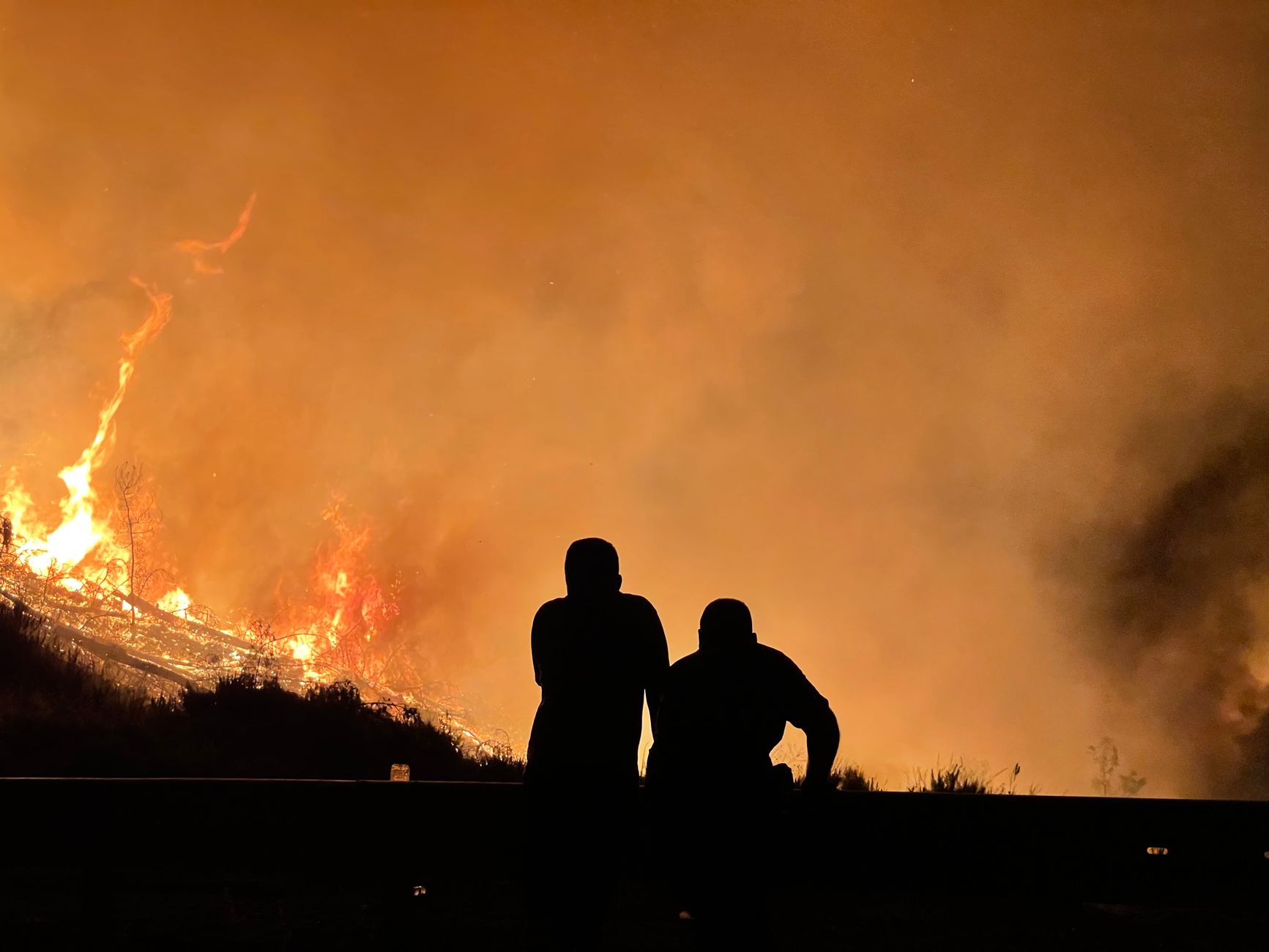
The western United States is currently under the oppressive grip of a heat dome, with temperatures soaring to unprecedented highs. Meteorologists have issued heat alerts for millions as the sweltering conditions are expected to spread eastward, enveloping the Midwest, New England, and the Mid-Atlantic in the coming days. This meteorological phenomenon, which traps hot air like a lid, has already shattered numerous heat records across the Southwest.
As the heat dome advances, it is predicted to become one of the most expansive and enduring heatwaves in recent American history. This is not merely a localised anomaly; similar heatwaves are roasting regions in Western Europe, Central Asia, and East Asia, underscoring the pervasive impact of climate change on global weather patterns.
The Mechanics Behind the Heat Dome
A heat dome forms when a high-pressure system parks itself over an area, effectively sealing in hot air. This results in prolonged periods of extreme heat as the sun bakes the ground and the air becomes increasingly stifling. The current dome over the United States is particularly tenacious, refusing to dissipate as it creeps eastward.
Climate scientists caution that such events are becoming more frequent and severe due to the planet's warming climate. The persistent rise in global temperatures is believed to be amplifying the conditions necessary for heat domes to form and linger.
Implications for Health and Infrastructure
The impact of this heatwave is profound, stretching beyond mere discomfort. Health officials warn of an increased risk of heat-related illnesses, particularly among vulnerable populations such as the elderly and those with pre-existing health conditions. The strain on infrastructure is also significant, with increased demand for electricity leading to the risk of power outages.
As the United States braces for this prolonged episode of extreme weather, the situation serves as a stark reminder of the immediate and tangible effects of climate change. While policymakers continue to debate solutions, the urgency for action becomes ever more pressing with each passing heatwave.