Sea Levels Surge: Alarm Bells Ring as Oceans Swell Unexpectedly
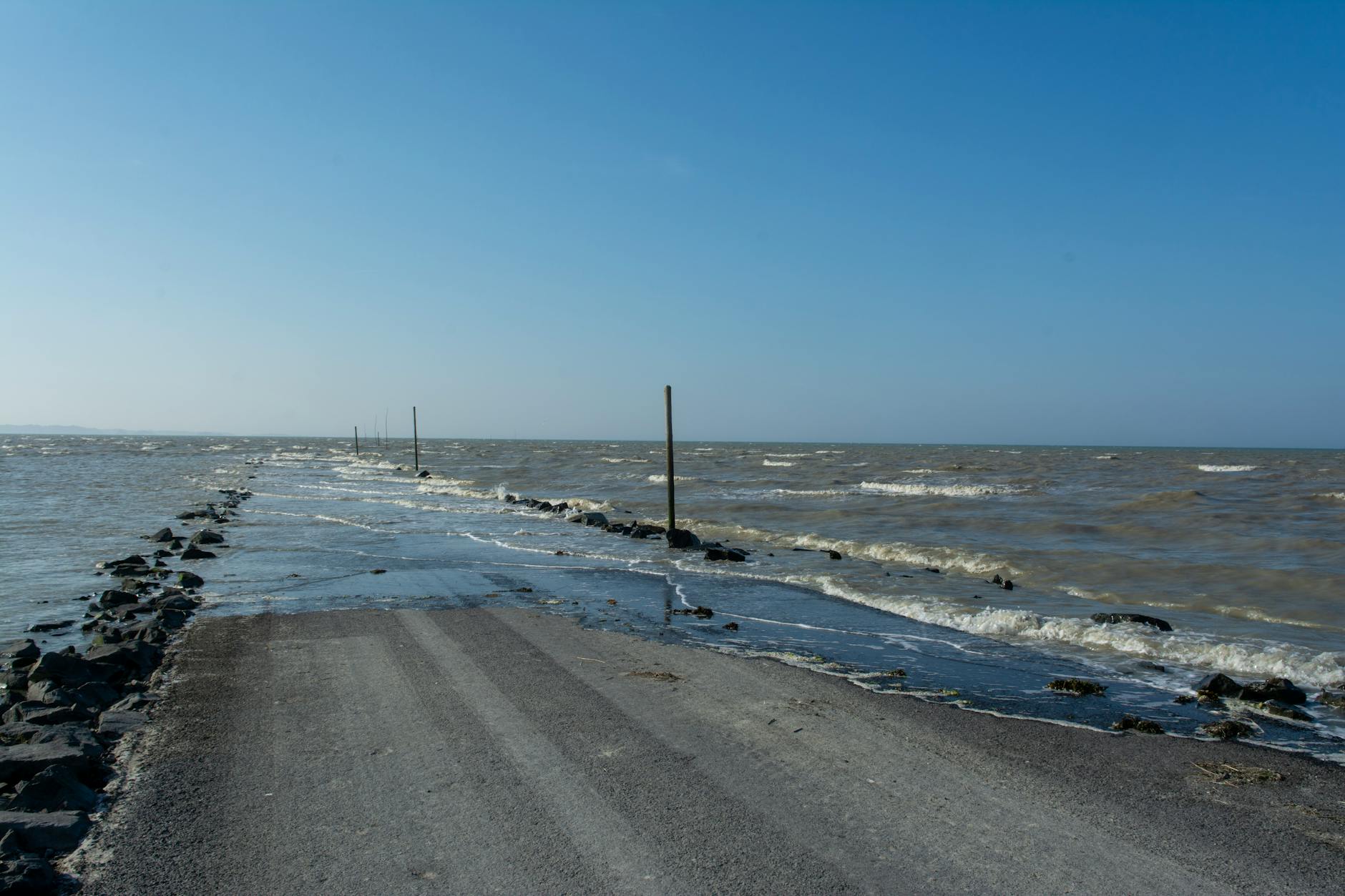
In a world grappling with climate change, the latest figures on sea level rise have sounded an urgent alarm. According to recent satellite data, the rate at which our oceans are swelling has accelerated alarmingly, outpacing previous forecasts.
The global mean sea level now rises at a rate of 4.5 mm per year, driven largely by the thermal expansion of seawater and the relentless melting of ice caps. This marks a stark contrast to the 2.1 mm annual increase observed at the dawn of satellite data collection in 1993.
Josh Willis, a leading figure in sea level research, remarked, “The rise we saw in 2024 was higher than we expected.” Such unexpected developments have laid bare the inadequacies of our current predictive models.
Implications for Coastal Communities
The implications of these findings are profound. Coastal communities around the globe, from the low-lying islands of the Pacific to bustling metropolises like New York and Mumbai, face an existential threat. These areas are increasingly vulnerable to flooding, storm surges, and erosion.
While some nations have started implementing adaptive measures, the scale of the challenge demands global cooperation. The economic impacts are equally daunting, with billions required to bolster coastal defences and relocate affected populations.
The Need for Immediate Action
Scientists and policymakers alike are urging immediate action. Reducing carbon emissions, investing in sustainable infrastructure, and enhancing predictive models are just a few measures that could mitigate the threat.
Yet, the clock is ticking. As sea levels continue their inexorable rise, the window for effective intervention narrows. The question is not just whether we can adapt, but whether we can act swiftly enough to stave off the worst impacts of this rising tide.