SEHAT Mission: Bridging Agriculture and Health for a Healthier India
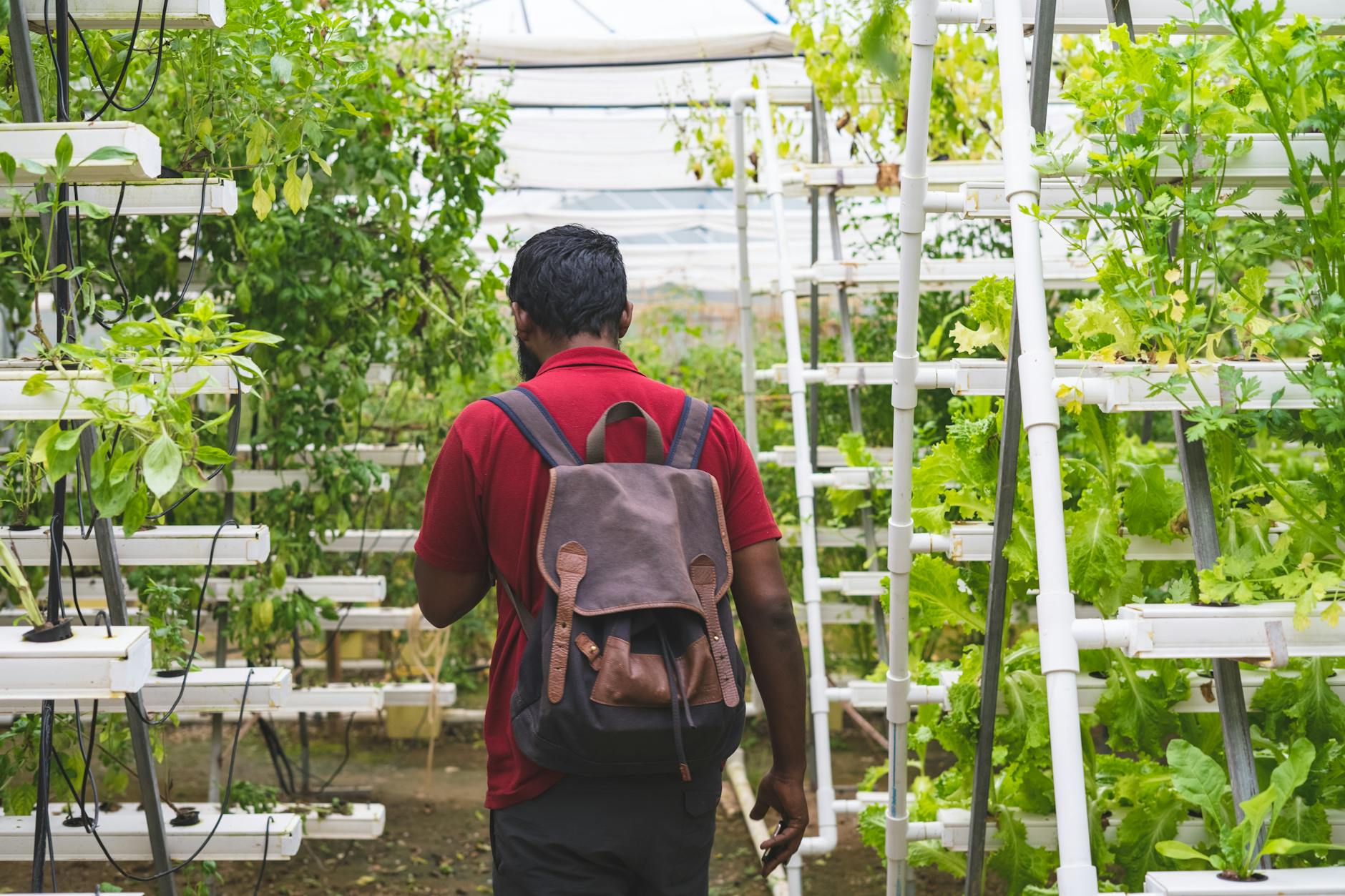
In the bustling corridors of India's public health and agricultural sectors, a new initiative is quietly making waves. The SEHAT mission, a collaborative effort between the Indian Council of Medical Research (ICMR) and the Indian Council of Agricultural Research (ICAR), is setting out to weave a tighter fabric between agriculture, nutrition, and public health. By doing so, it aims to create sustainable food systems that could pave the way for a healthier nation.
For decades, the fields of agriculture and medicine in India have operated in silos, each advancing without much cross-disciplinary engagement. SEHAT, however, is different. It recognises the intricate links between the food we grow, the nutrients we consume, and the diseases we aim to prevent. By promoting bio-fortified and traditional crops alongside integrated farming practices, SEHAT hopes to address the dual challenges of malnutrition and lifestyle-related diseases that have plagued India for years.
Addressing Malnutrition and Lifestyle Diseases
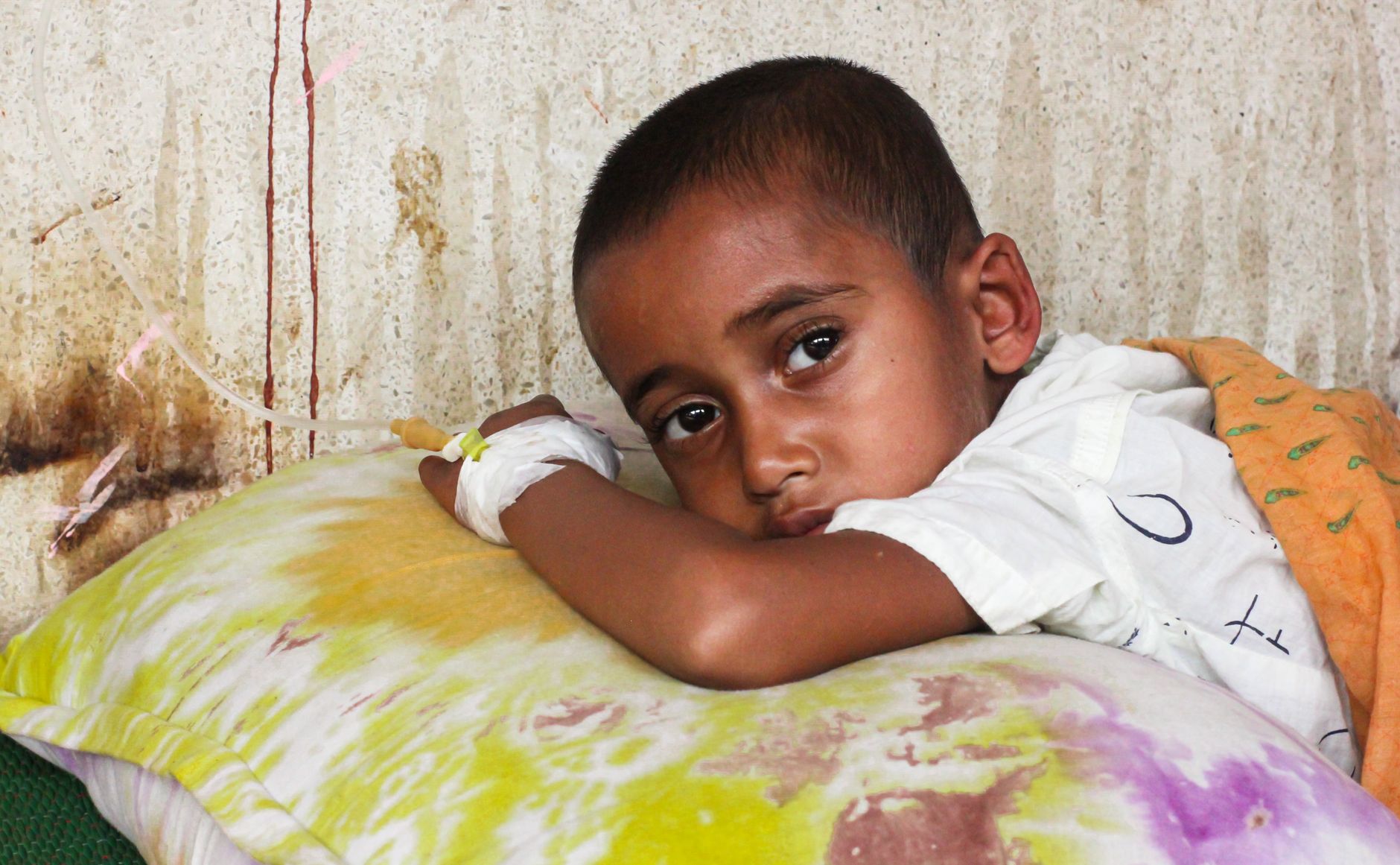
India's battle with malnutrition is well-documented, with millions still lacking access to basic nutritional needs. At the same time, the rise of lifestyle diseases such as diabetes and hypertension poses a growing threat. SEHAT's approach is to tackle these issues simultaneously by improving dietary diversity and promoting better disease prevention and management. The mission encourages the cultivation of nutrient-rich crops and aims to educate communities on the benefits of a balanced diet.
Beyond merely providing immediate health benefits, the mission also seeks to improve the livelihoods of farmers by increasing their income through sustainable practices. The integration of traditional crops, which are often more resilient and nutritious, serves a dual purpose: bolstering public health and ensuring farmers have a stable source of income.
A Holistic Approach to Public Health
SEHAT's holistic approach is a marked departure from previous attempts that viewed agriculture and healthcare as separate entities. This convergence is crucial in a country where the rural population often relies on agriculture for sustenance and income. By aligning agricultural practices with health outcomes, SEHAT is poised to set a precedent for future policy initiatives.
The mission's emphasis on long-term research into the relationships between food systems, nutrition patterns, and disease trends in India holds promise for shaping future strategies. It suggests a long-overdue shift towards an integrated model, where the health of the population is not merely a medical issue but a societal one, deeply intertwined with how and what we cultivate.
As SEHAT takes root, its success could redefine how nations around the world address the complex web of agriculture, nutrition, and public health. In a world grappling with similar challenges, India's SEHAT mission might just show the way.