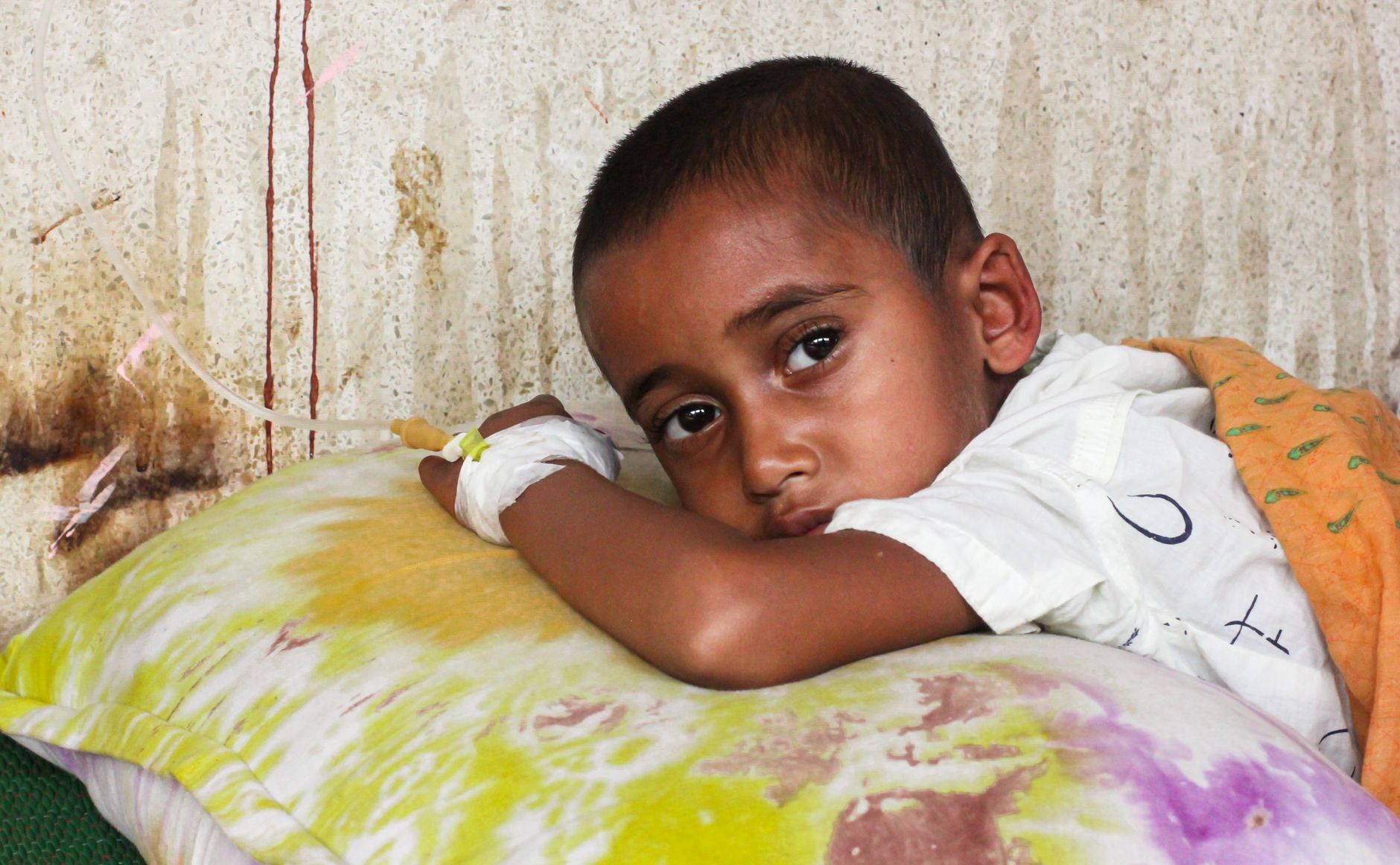
Silent Threat: Unseen Dangers of Diabetic Kidney Damage
For many living with diabetes, the spectre of kidney damage looms large, yet quietly. Often devoid of symptoms until it's alarmingly advanced, diabetic kidney damage poses a unique challenge in the realm of chronic illnesses. The kidneys, dutifully filtering waste from the bloodstream, can suffer significant harm long before any signs manifest.
Experts warn that this silent progression makes regular monitoring crucial. Dr. Susan Carter, a nephrologist at St. Mary's Hospital, highlights the quiet nature of this threat. 'By the time symptoms such as swelling or fatigue appear, significant damage may already have occurred,' she notes. This underscores the necessity of proactive health management for diabetics.
Prevention Through Everyday Habits
While the lack of early symptoms can be daunting, there is hope. Adopting healthier daily habits can play a pivotal role in mitigating risks. Nutritionists advocate for a diet rich in fruits, vegetables, and whole grains, while minimising processed foods and salt intake. Regular physical activity, too, is a cornerstone of prevention, enhancing both cardiovascular and renal health.
Moreover, maintaining blood sugar levels within recommended ranges is critical. 'Control your glucose levels, and you're essentially protecting your kidneys,' advises Dr. Carter. This preventive approach can delay the onset of kidney damage, offering a lifeline to those at risk.
The Role of Regular Check-Ups
Regular screening is indispensable. Simple blood and urine tests can provide early warnings, allowing doctors to intervene before irreversible damage occurs. 'Early detection is paramount,' asserts Dr. Carter, adding that routine check-ups can significantly alter outcomes.
In conclusion, while diabetic kidney damage may often whisper rather than shout, it demands attention and respect. Through vigilant monitoring and lifestyle modifications, individuals can effectively counter this silent threat, safeguarding their health and well-being.