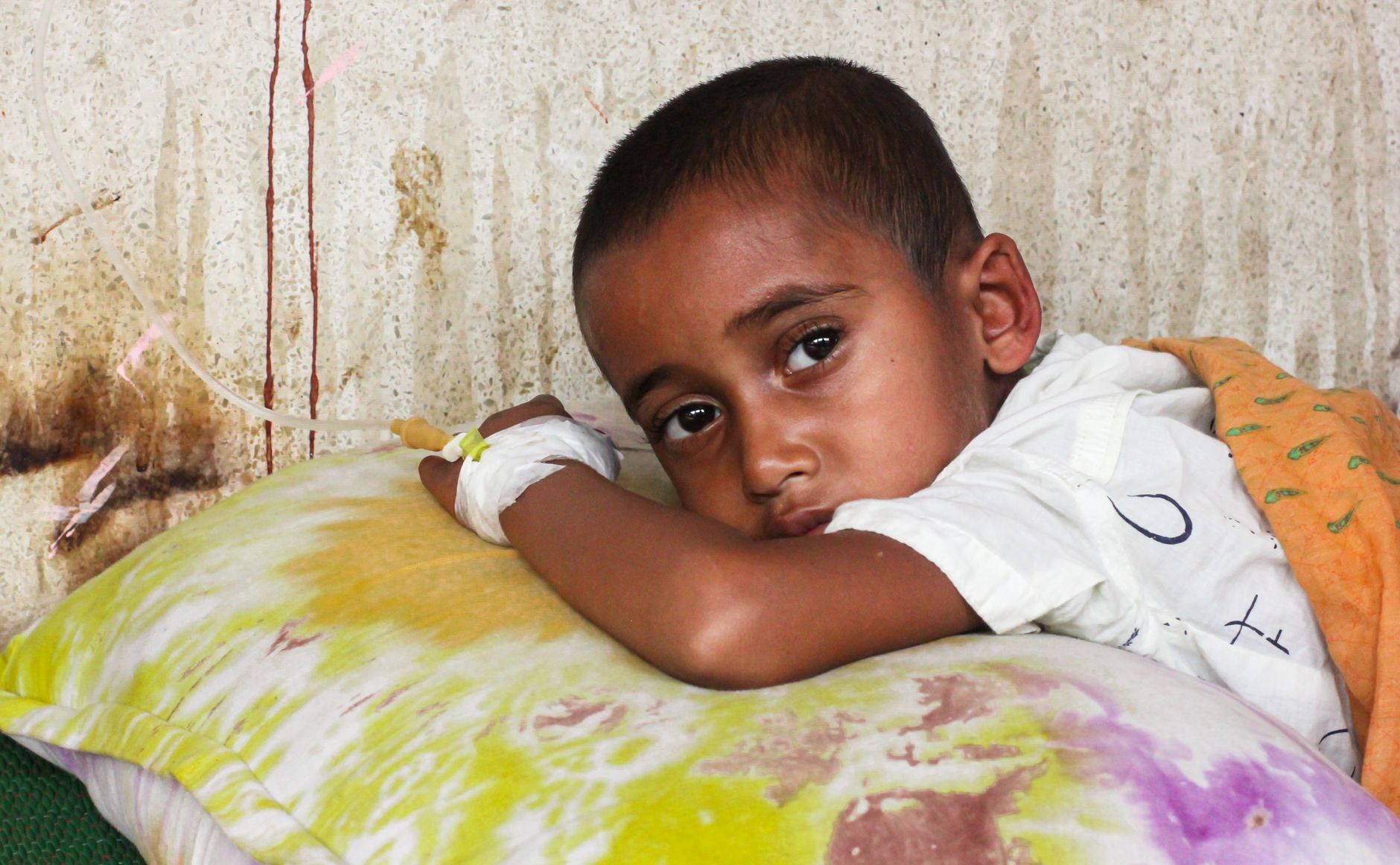
Sky-High Hospital Bills: The Financial Strain on Kolkata Families
In the bustling city of Kolkata, the chatter of daily life is punctuated by a sobering reality for many families: crippling hospital bills. The story of one family, burdened with a staggering Rs 10-lakh medical bill, has brought to light a pervasive issue plaguing the state of West Bengal.
According to recent reports, out-of-pocket expenses for healthcare in West Bengal are among the highest in India. This financial strain is not merely an isolated incident but indicative of a systemic issue within the state's healthcare infrastructure. As families struggle to cope with these costs, questions about accountability and the quality of care are being raised.
The Burden of Healthcare
Last year alone, more than 70 lakh patients were treated in hospitals across the state. This massive influx has overwhelmed medical professionals, leading to a troubling norm of rushed examinations and, at times, incorrect diagnoses. The consequences of such systemic inefficiencies are borne by the patients who find themselves mired in debt, often with little recourse.
For the affected Kolkata family, the financial burden has been immense. Their story is not unique; it is a reflection of the broader challenges faced by countless others. Families are often left in the lurch, grappling with the dual pressures of caring for loved ones and managing exorbitant medical expenses.
A Call for Accountability
The high cost of healthcare in West Bengal raises significant questions about the accountability of both public and private medical institutions. While the government has made strides in expanding access to healthcare, the quality and affordability remain under scrutiny. Patients and their families are urging for reforms that address these gaps, calling for improved oversight and transparent billing practices.
As the state continues to grapple with these challenges, the hope is for a healthcare system that not only caters to the needs of its people but does so in a manner that is both affordable and reliable. Until then, families will likely continue to bear the brunt of a system in dire need of reform.