Sleepless in Urban India: The Silent Health Crisis
As the clock strikes midnight in the heart of Mumbai or Bangalore, the streets may grow quieter, but within the confines of dimly lit apartments, a frenetic activity persists. Work emails, social media, and streaming services conspire to keep millions awake, nudging sleep further down the priority list. In these urban jungles, where ambition meets anxiety, a new health crisis is emerging: hypertension induced by chronic sleep deprivation.
Sleep, once a non-negotiable part of life, has become a luxury many cannot afford. The World Health Organisation warns that insufficient sleep is linked to a range of health issues, with hypertension being a notable concern. In India, where urbanisation and a fast-paced lifestyle are the norm, the impact is particularly pronounced.
A New Urban Epidemic
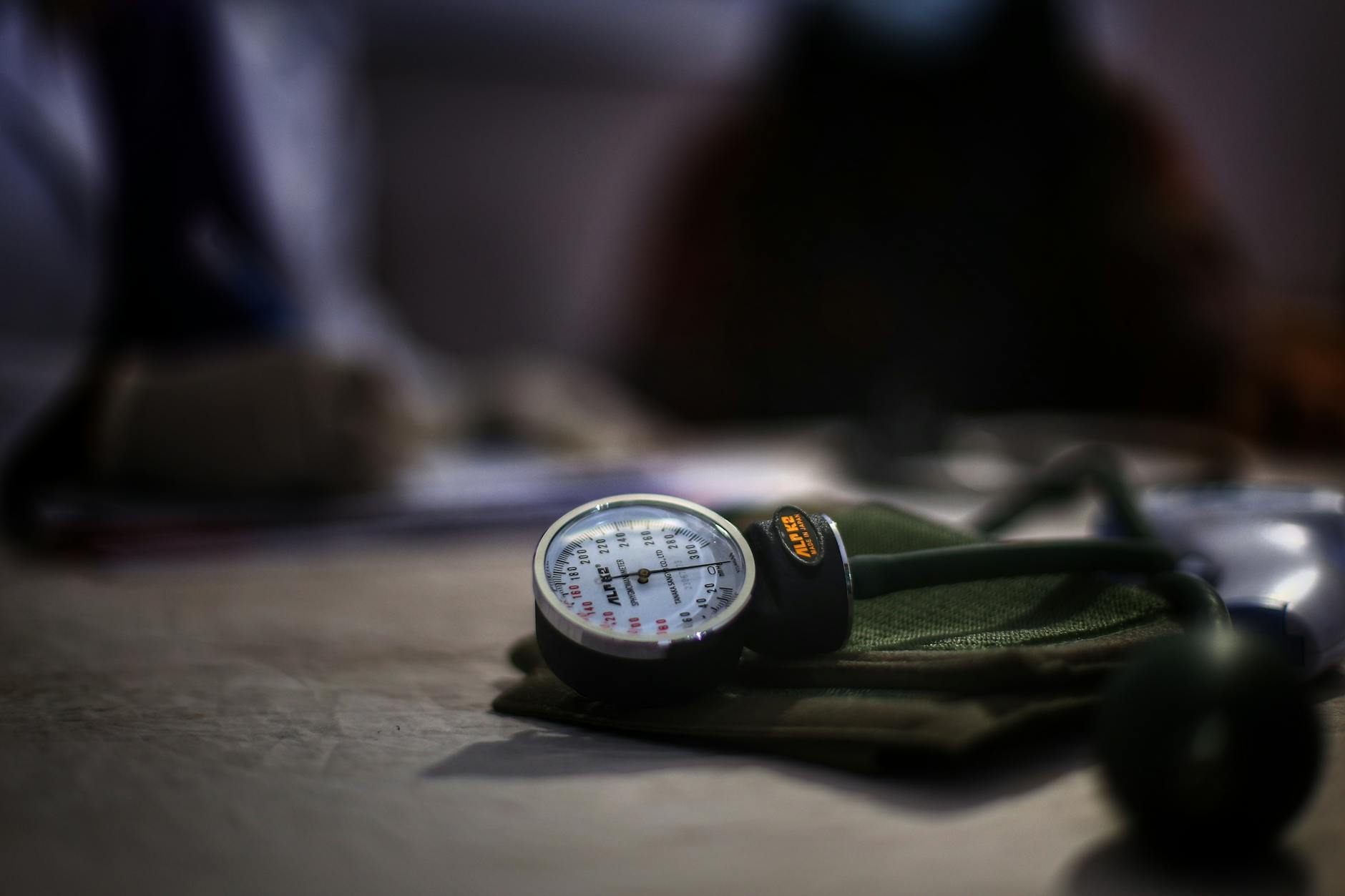
Doctors in metropolitan areas report a worrying trend: an increasing number of young professionals with elevated blood pressure levels. Dr. Meena Sharma, a cardiologist in Delhi, notes, "We've seen a significant rise in cases of hypertension among those in their 30s and 40s, primarily driven by stress and poor sleep." The correlation is clear: the less sleep one gets, the higher the risk of developing hypertension.
Hypertension, often dubbed the silent killer, rarely shows symptoms until it is too late. However, its impact on the heart, brain, and kidneys can be devastating. The problem is exacerbated in urban settings, where the constant hum of life offers little respite.
Addressing the Crisis
While medication can manage hypertension, the root of the problem — lifestyle — requires a more nuanced approach. Public health campaigns are beginning to acknowledge the importance of sleep hygiene, advocating for regular sleep schedules and reduced screen time before bed. Natural remedies like ashwagandha also gain popularity for stress relief.
The challenge lies in shifting societal norms that equate busyness with productivity. Until such perceptions change, the night owls of India's cities may continue to pay the price with their health.