Slight Rise in Vaccination, But Many Children Still at Risk
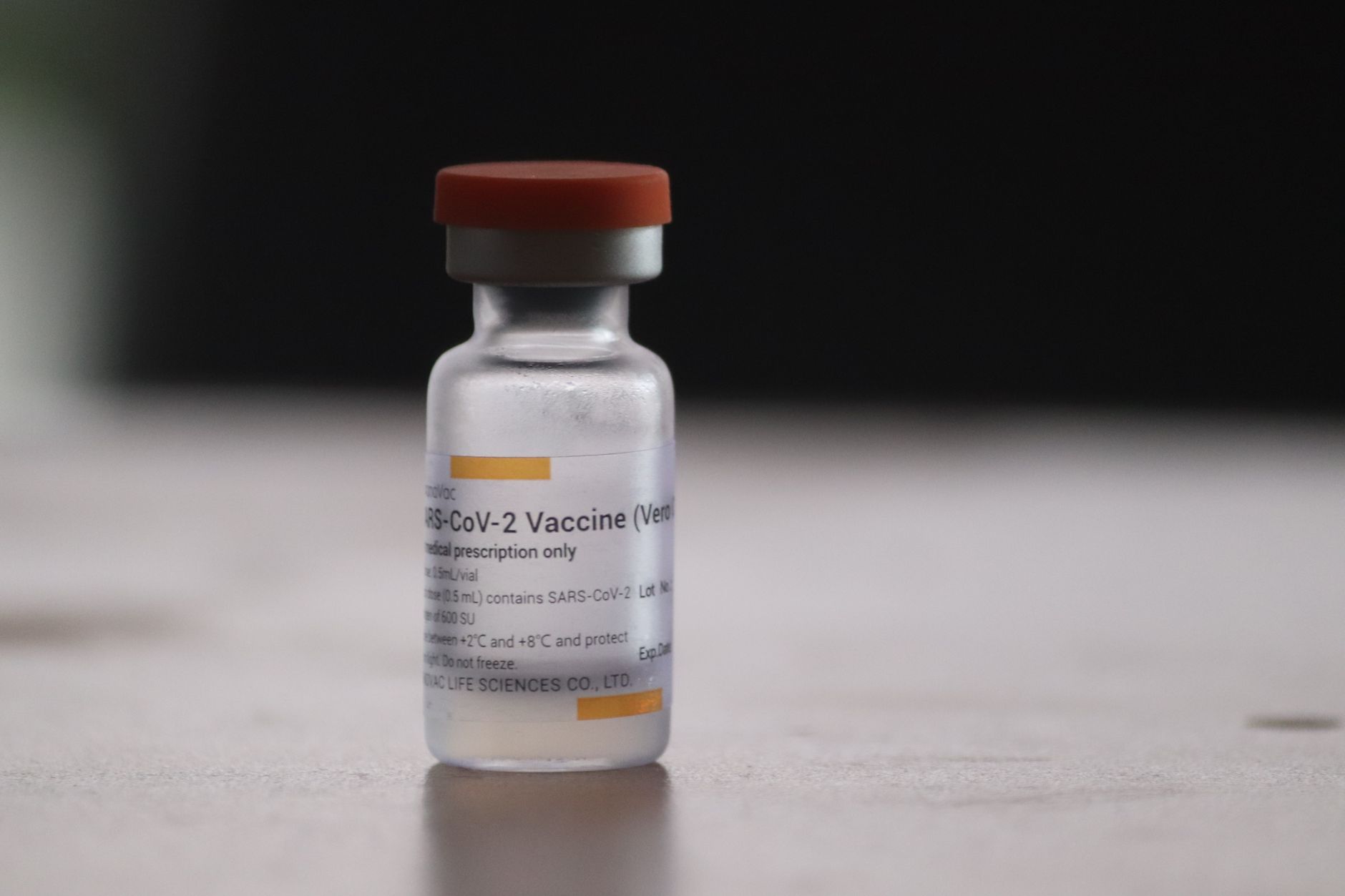
In a world where a mere jab can fend off deadly diseases, it remains a stark reality that millions of children are still not receiving basic vaccines. This year, global childhood vaccination rates have seen a slight increase, yet the progress is overshadowed by the sheer number of children left unprotected.
Conflict, poverty, and a lingering mistrust of vaccines are the usual suspects hindering this crucial public health effort. In regions marred by wars and strife, such as parts of Africa and the Middle East, access to healthcare remains a distant dream. Meanwhile, misinformation campaigns continue to sow seeds of doubt about vaccine safety, further complicating efforts.
A Stubborn Stagnation
The World Health Organisation (WHO) has reported that 6.5 million children missed their third dose of the diphtheria, tetanus, and pertussis (DTP) vaccine, a critical component in the fight against these preventable diseases. This stagnation in vaccination coverage has persisted since 2022, failing to return to even pre-pandemic levels.
The disruption caused by COVID-19 is still being felt across healthcare systems globally. Resources were diverted, and vaccination programmes stalled, leaving a gap that health agencies are struggling to bridge.
Rebuilding Trust
To address these challenges, initiatives like Vaccination Week in the Americas have become more critical than ever. Since its inception in 2002, this initiative has administered over 1.2 billion vaccine doses. However, the need to rebuild trust where it has frayed is essential. Public health experts argue that no child should suffer from a preventable disease due to a lack of access or misinformation.
As global health organisations rally to improve vaccination rates, they face the formidable task of convincing sceptical communities of the benefits of vaccines. The road ahead is fraught with challenges, yet the stakes are too high to ignore. Ensuring every child is vaccinated not only protects individuals but also fortifies community health, creating a collective shield against disease.