Smartphones Poised to Revolutionise Heart Monitoring Globally
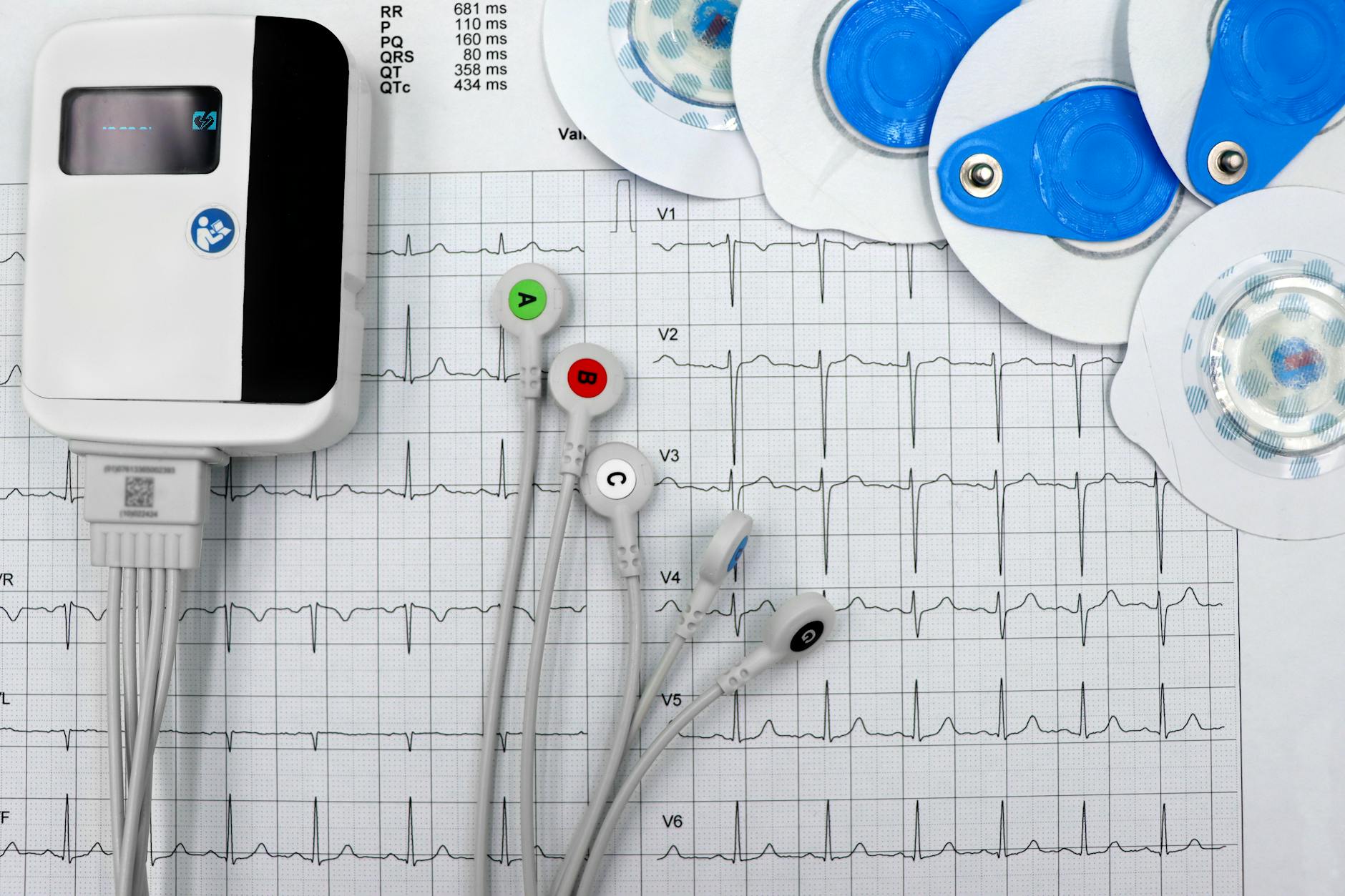
Imagine unlocking your smartphone, only to find it has quietly been keeping tabs on your heart rate. This is no science fiction; it is the promise of a new technological breakthrough that could transform smartphones into ubiquitous health monitors.
By leveraging a machine-learning model, smartphones will soon be able to measure heart rates through facial video analysis. This passive method, which operates during normal phone usage, eliminates the need for additional gadgets like smartwatches or fitness trackers.
The implications are profound. With over six billion smartphones in circulation worldwide, this innovation could pioneer a new era of accessible health monitoring, particularly in regions where healthcare devices are scarce. Currently, tracking resting heart rates—a key indicator of cardiovascular health—requires wearable technology, which is not always affordable or available to everyone.
The Science Behind the Innovation
This technology utilises a process known as photoplethysmography, a technique that detects blood volume changes in the skin. Traditionally used in medical devices, it can now be adapted for smartphone cameras, thanks to advances in deep learning algorithms.
As Sanjukta Mondal reported, this system, known as PHRM, runs silently in the background, allowing users to go about their daily smartphone activities, none the wiser that their heart health is being monitored.
Global Implications
The potential for democratising health monitoring is enormous. In many developing countries, access to healthcare is limited by infrastructure and cost. Smartphones, however, are increasingly common, and this development could bridge a crucial gap in preventive healthcare.
Critics may raise privacy concerns, wondering about the implications of such data being collected. However, proponents argue that the health benefits far outweigh potential risks, especially if strict data privacy measures are implemented.
If successful, this technology could become a cornerstone of global health initiatives, shifting the focus from reactive to proactive healthcare. As the world grapples with the rising burden of non-communicable diseases, innovations like these offer a glimmer of hope for a healthier future.