Smartphones to Monitor Heart Health with a Simple Selfie
Imagine checking your heart rate as effortlessly as taking a selfie. This futuristic concept is inching closer to reality, thanks to a pioneering research initiative. Scientists have unveiled a system that leverages smartphone cameras for passive heart rate monitoring, utilising facial video-based photoplethysmography and deep learning models.
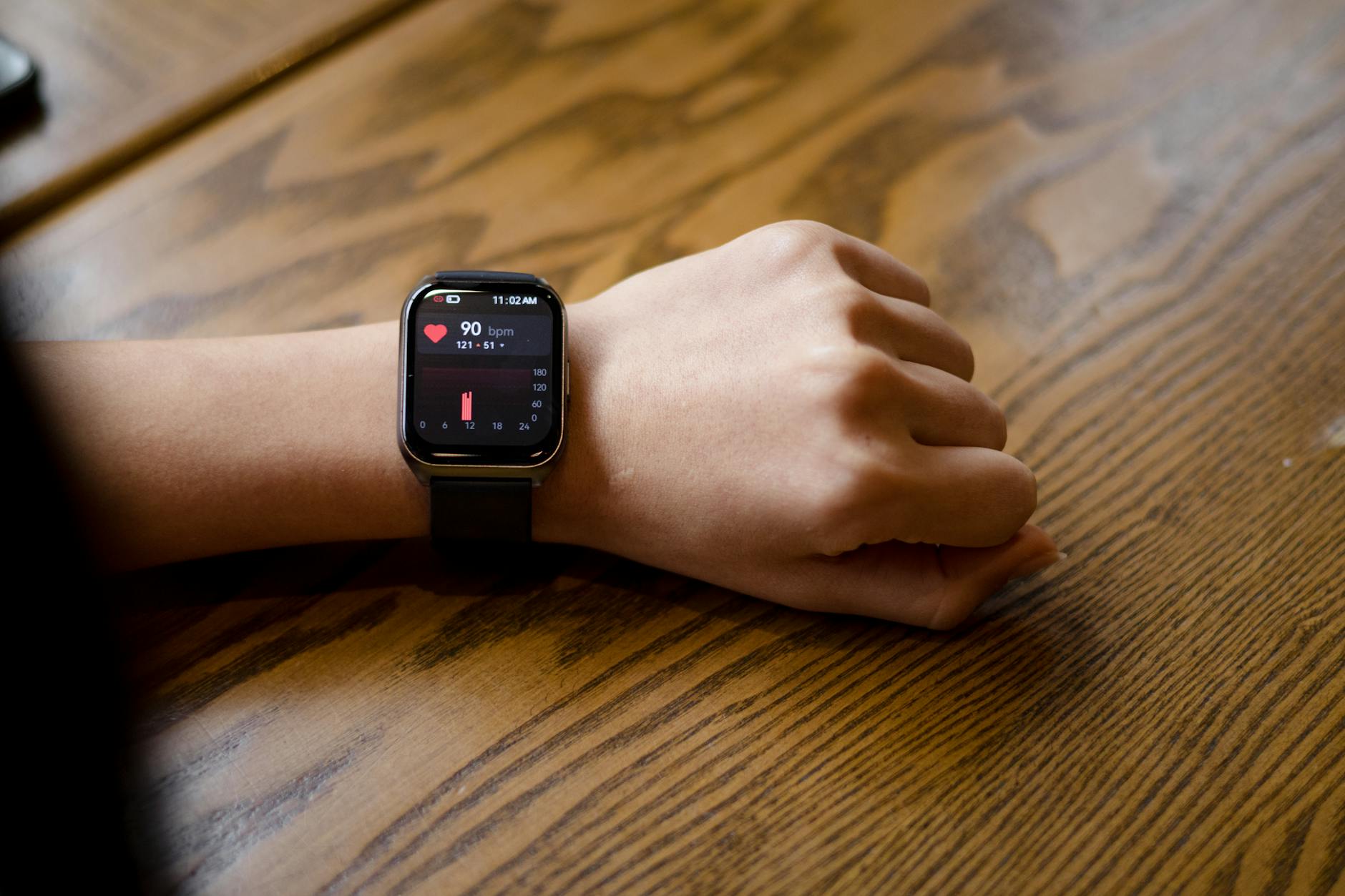
Heart rate is a fundamental indicator of one's physiological state, influenced by a myriad of factors from daily stress to chronic ailments. Traditionally, monitoring such a vital sign necessitated wearable devices, often seen as cumbersome and costly for everyday users. However, this new development promises to democratise the process, making heart health data accessible with just a smartphone.
A Deep Dive into the Technology
The system, known as Passive Heart Rate Monitoring (PHRM), operates quietly in the background, capturing facial video during routine smartphone usage. As users scroll through social media or engage in video calls, the technology analyses subtle changes in facial blood flow. This information is then processed by machine learning algorithms to provide an accurate measure of both heart rate (HR) and resting heart rate (RHR).
Such passive monitoring could transform how individuals engage with their health. By continuously tracking heart rate without the need for additional devices, users can gain insights into their cardiovascular health trends over time. This could facilitate early detection of potential health issues, encouraging timely medical consultations.
Implications for Healthcare and Technology
The implications of integrating such technology into everyday devices are profound. Not only could it reduce barriers to accessing health information, but it might also spur advancements in personalised medicine. By equipping users with real-time health data, healthcare professionals can tailor interventions more precisely.
Moreover, the initiative represents a significant step forward in harnessing artificial intelligence for practical applications. As deep learning and AI technologies continue to evolve, their integration into consumer technology could redefine the boundaries of what's possible in health monitoring.
While the current system is still under development, its potential to reshape healthcare norms is undeniable. As smartphones become increasingly ubiquitous, they may soon serve as personal health monitors, bringing us closer to a future where managing one's health is as simple as picking up the phone.