Sonam Wangchuk: From Ice Stupas to Education Reforms
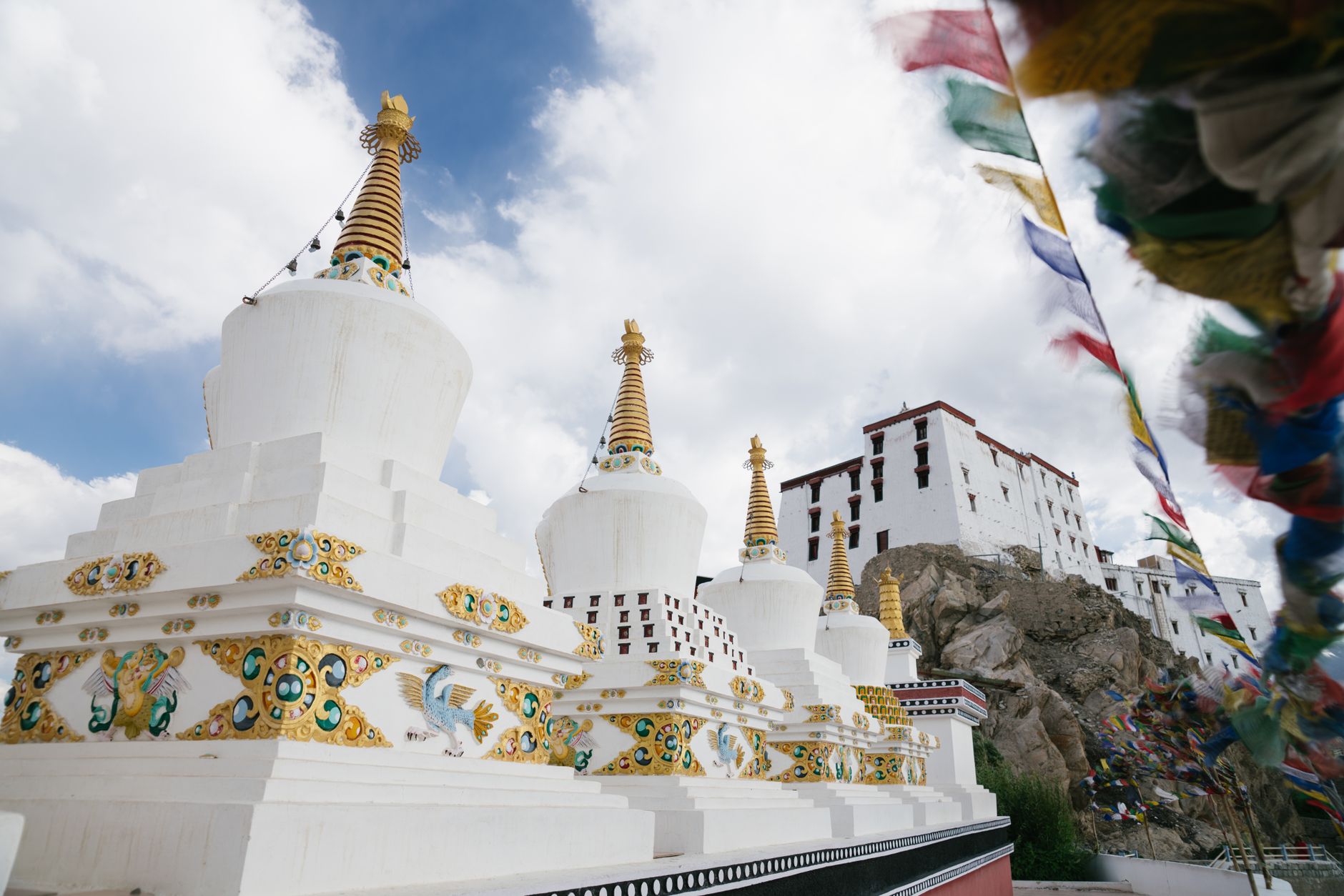
In the remote, rugged landscape of Ladakh, where the chill of the air is as sharp as the mountains are high, one man has become synonymous with innovation and reform. Sonam Wangchuk, an engineer and educational reformist, has ingeniously transformed the way this region addresses its unique challenges.
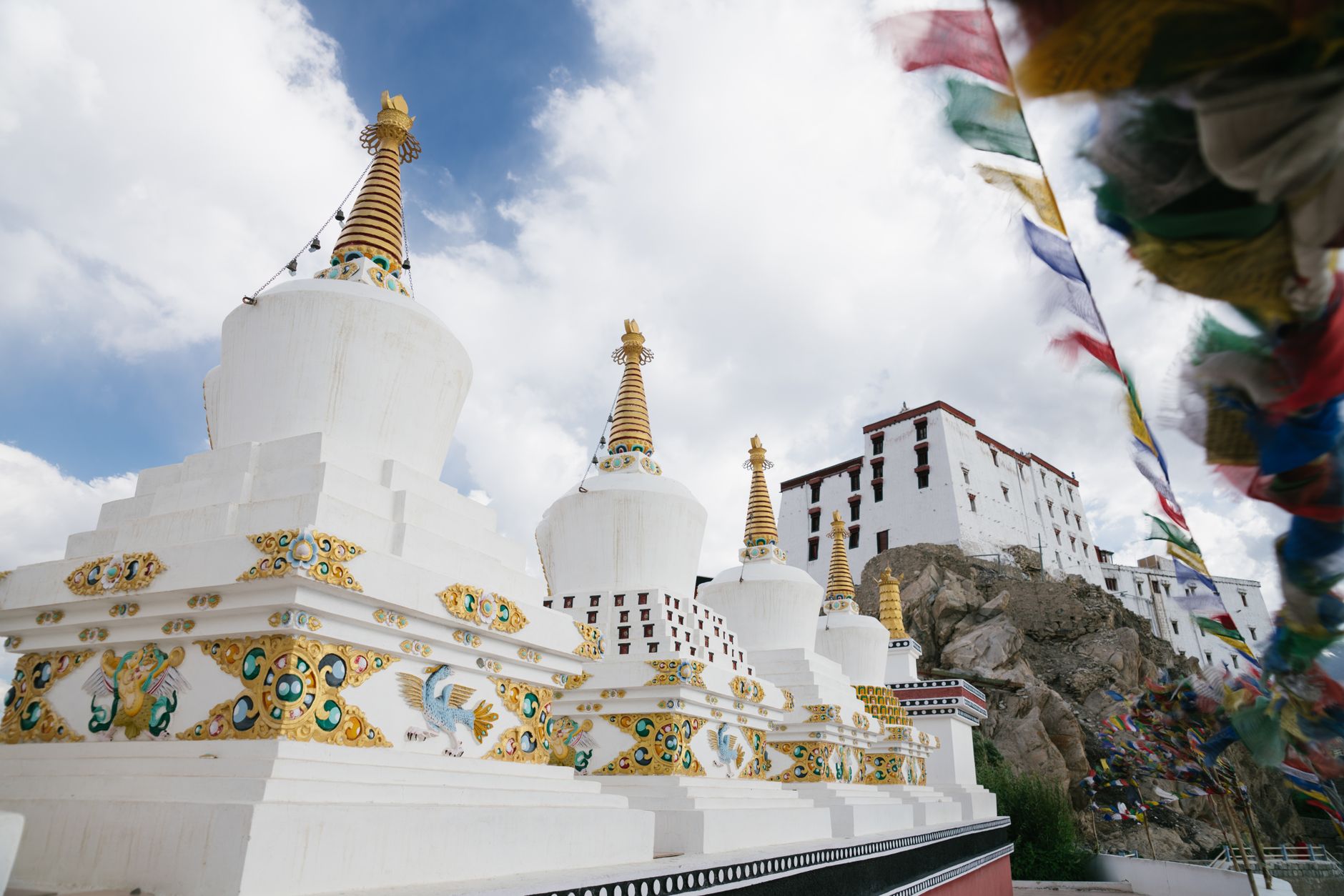
Wangchuk's most celebrated invention, the ice stupa, emerged in 2013. These artificial glaciers, shaped like Buddhist stupas, store winter meltwater and slowly release it during the arid planting season. It's a simple yet revolutionary concept that has significantly mitigated water scarcity in the high-altitude desert.
Yet, Wangchuk's contributions extend beyond engineering marvels. He is the founder of the Himalayan Institute of Alternatives, Ladakh (HIAL), a beacon of educational reform in the region. Building on the foundations laid by his earlier initiative, the Students' Educational and Cultural Movement of Ladakh (SECMOL), HIAL aims to provide contextually relevant education that empowers the local youth.
A Life of Activism
In 2024, Wangchuk made headlines with a dramatic 21-day fast in sub-zero temperatures, demanding legal protection for Ladakh's fragile ecosystem. This act of civil disobedience highlighted his commitment to preserving the region's resources amidst increasing environmental and geopolitical pressures.
His activism continued in 2026 under the open skies of Jantar Mantar, where he once again called for attention to Ladakh's plight. Wangchuk's efforts underscore a critical narrative: the need for sustainable development that respects both cultural heritage and environmental integrity.
The Broader Impact
Wangchuk's story is not just one of personal achievement but of regional transformation. Through his work, he has inspired a generation to think differently about education and sustainability. His vision for Ladakh is one where traditional wisdom and modern science coexist harmoniously, paving the way for a future that honours the past while embracing innovation.
As Ladakh navigates the complexities of modernisation, it is voices like Wangchuk's that continue to guide its path. His journey from ice stupas to education reforms is a testament to the power of creativity and perseverance in the face of adversity.