Sonam Wangchuk's Health Declines as Hunger Strike Persists
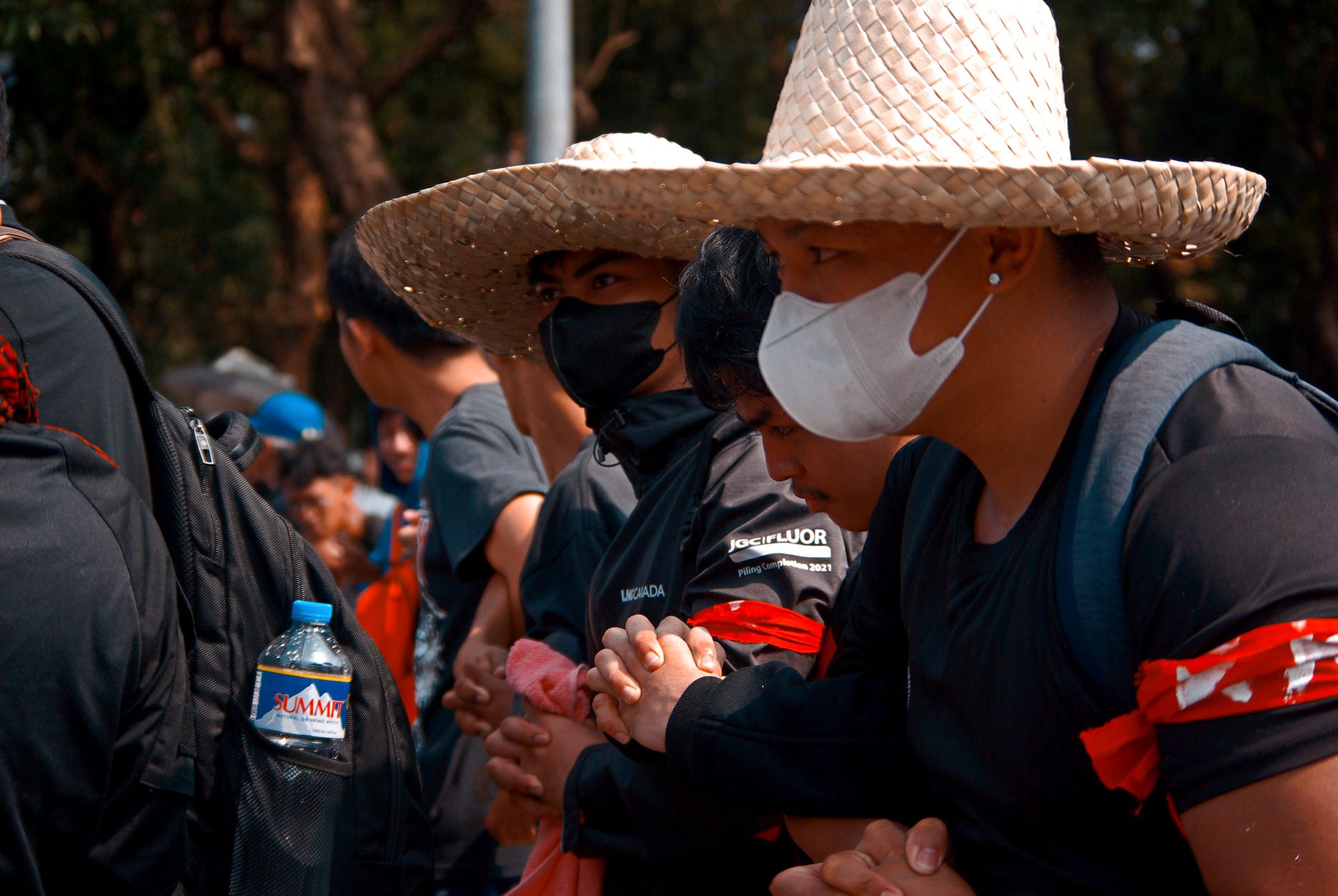
As dawn broke over Jantar Mantar on Sunday, there was a palpable sense of worry amidst the gathering. Sonam Wangchuk, the acclaimed educator and climate activist, lay weakened by his 15-day hunger strike. The protest, initiated by the Cockroach Janta Party (CJP), seeks to bring attention to pressing environmental issues, yet it is Wangchuk's declining health that now dominates the conversation.
Doctors attending to Wangchuk report a concerning drop in his blood pressure and a total weight loss of 7.8 kg since he began fasting. His frailty is evident, sparking fears amongst supporters and fellow activists. Shailaja, a prominent voice in the protest, queried, 'How much longer will the government wait before addressing our demands?'
A Silent Government
The silence from government officials, particularly Prime Minister Narendra Modi, has been deafening. The protestors demand action against Dharmendra Pradhan, yet thus far, their calls remain unanswered. As the protest at Jantar Mantar reaches its 23rd day, the absence of a governmental response seems to fuel the demonstrators' resolve rather than diminish it.
Wangchuk, known for his innovative approach to education and environmentalism, has become a symbolic figure in this struggle. His deteriorating health serves as a stark reminder of the costs activists often bear in the pursuit of their causes. Each passing day without intervention raises the stakes, both for him personally and for the movement he represents.
The Broader Implications
This protest underscores a larger issue at play: the relationship between grassroots activism and governmental accountability. Wangchuk's plight has captured national attention, yet it also highlights the challenges faced by activists in galvanising meaningful action from those in power. As the hunger strike continues, it poses a critical question: what will it take to bridge this divide?
The coming days will be crucial, not only for Wangchuk's health but also for the movement he champions. As observers and supporters alike watch with bated breath, the hope is that his sacrifice will not be in vain, and that it will spark a much-needed dialogue on environmental policy and governance.