Sonam Wangchuk's Health Deteriorates Amid Hunger Strike
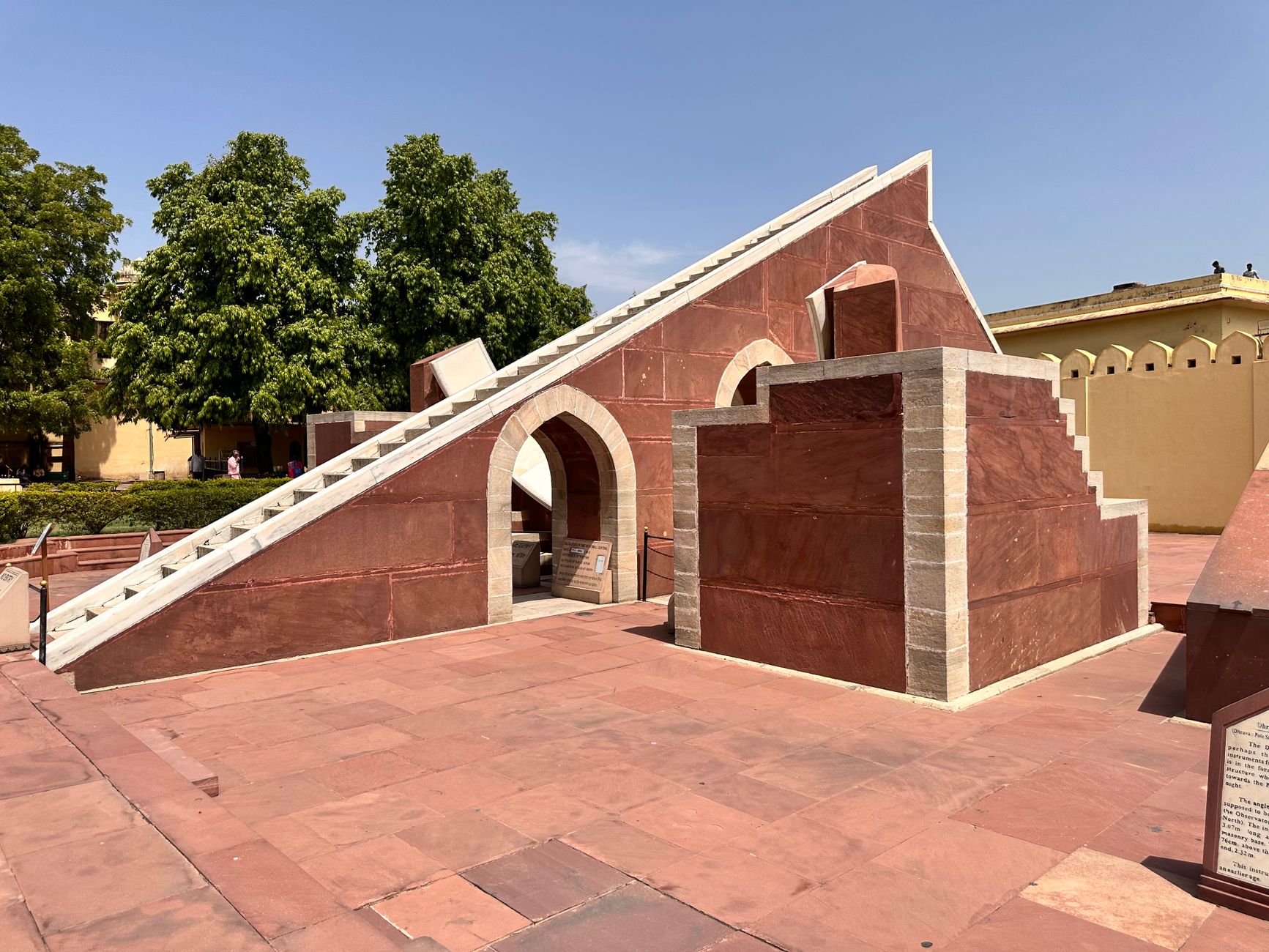
In the heart of India's capital, a lone figure battles not only for a cause but for his life. Sonam Wangchuk, the acclaimed educator and climate activist, has entered the 16th day of his indefinite hunger strike at Jantar Mantar, New Delhi. His protest against alleged examination irregularities has drawn attention, but it's his health that now dominates headlines.
Wangchuk's blood glucose level has plummeted to 67 mg/dL, a perilous figure that reflects his deteriorating condition. Over the course of his protest, he has shed 8.2 kg, visibly weakening as days go by. The Cockroach Janta Party, which supports his cause, has expressed grave concern about his worsening state.
A Cry for Accountability
Wangchuk's hunger strike is more than a personal struggle; it's a demand for accountability. He accuses authorities of ignoring serious irregularities in examinations, which he claims undermine the integrity of the educational system. His protest aims to spotlight these issues and press for reform.
Yet, as each day passes without significant response from the government, the question looms larger: how much longer can this continue without intervention? Wangchuk's supporters, including CJP spokesperson Ashutosh Ranka, have taken to social media to highlight the urgency. "The next few days will be important," Ranka warned, alluding to a planned march on July 20.
The Human Cost of Protest
The physical toll on Wangchuk is evident, and his plight raises broader concerns about the human cost of protest. His commitment to the cause is unwavering, but at what price? Observers and supporters alike are now calling for immediate medical intervention to prevent a tragedy.
While Wangchuk's fast has brought examination irregularities into public discourse, it also underscores the lengths to which individuals must go to be heard. As the world watches, the demand for accountability has become entwined with a plea for compassion. Will those in power listen before it's too late?