Sonam Wangchuk's Hunger Strike: A Call for Educational Reform
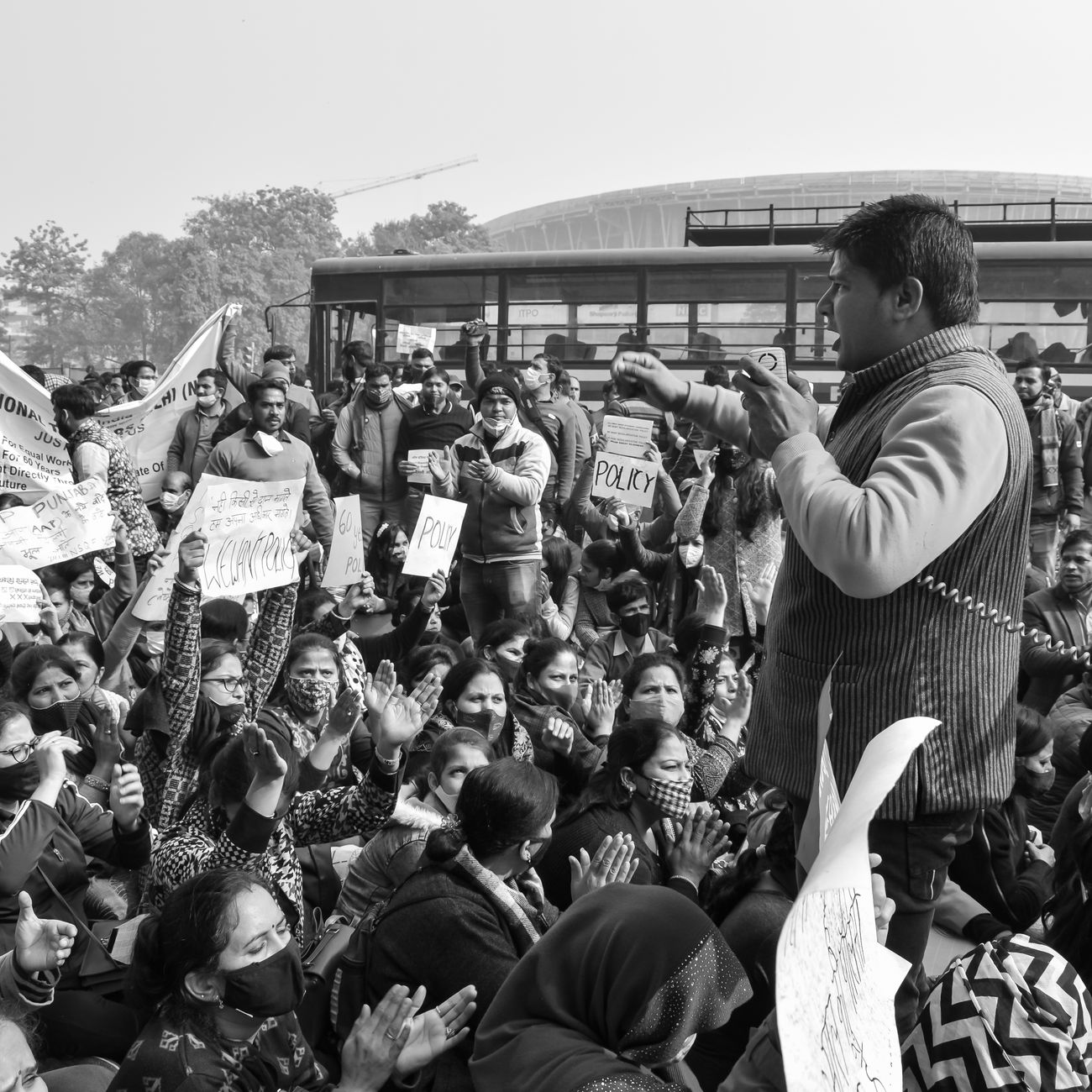
Under the sweltering sun at Jantar Mantar, Sonam Wangchuk, the renowned educationist and climate activist, marks the seventh day of his hunger strike. His protest is not just a personal crusade but a clarion call to the government for accountability in the education sector. Wangchuk, known for his innovative educational reforms in Ladakh, has been joined by the Cockroach Janata Party (CJP) in demanding action against alleged malpractices in examinations and the resignation of a senior education official.
Despite the deteriorating state of his health, Wangchuk remains steadfast. Supporters say he has lost five kilograms, and yet his resolve appears unshaken. 'This is not merely about one man's protest; it's about the future of our children,' said a spokesperson for the CJP. The party's protest has now entered its fifteenth day, with growing calls for the government to address the issues raised.
The roots of this unrest lie in allegations of examination irregularities that have plagued the education system. Wangchuk's hunger strike has thus become emblematic of a broader demand for transparency and reform. As word of his protest spreads, public pressure on the authorities is mounting.
Wangchuk's efforts are reminiscent of his past initiatives in promoting practical and sustainable education models. His work has often highlighted the need for a system that not only educates but empowers students. The current protest is an extension of his lifelong commitment to educational reform.
The government, so far, has remained largely silent, a factor that has only intensified concerns among Wangchuk's supporters. With the activist's health condition becoming increasingly precarious, the urgency for a dialogue with the authorities is more pressing than ever.
As the days progress, it is not just Wangchuk's resolve that is being tested, but also the government's willingness to engage in meaningful reform. Whether this hunger strike will catalyse the change Wangchuk seeks remains uncertain, but it has undeniably brought the issue of educational accountability into the national spotlight.