Sonam Wangchuk's Hunger Strike: Delhi High Court Deliberates as Health Wanes
In a scene reminiscent of Gandhian resolve, Sonam Wangchuk sits quietly in protest, his health visibly wavering as he enters the 18th day of his indefinite hunger strike. The activist, known for his contributions to education and environmental conservation in Ladakh, has chosen the path of non-violence to highlight alleged irregularities in the NEET examination process.
Today, the Delhi High Court stands poised to hear a public interest litigation concerning Wangchuk's deteriorating health. This legal scrutiny comes at a critical juncture as concern mounts over his wellbeing. Politicians across the spectrum, including opposition leader Mahua Moitra, have voiced support, recognising the unifying force Wangchuk has become for many young Indians who see injustice in the educational system.
Despite reports of his weakening condition, Wangchuk has taken to social media to assure his supporters. "I'm not dying in 2-4 days," he remarked with characteristically understated humour, countering sensationalist narratives. His words offer a measure of comfort to those who fear for his life yet also underline his determination to continue his protest until substantial change is effected.
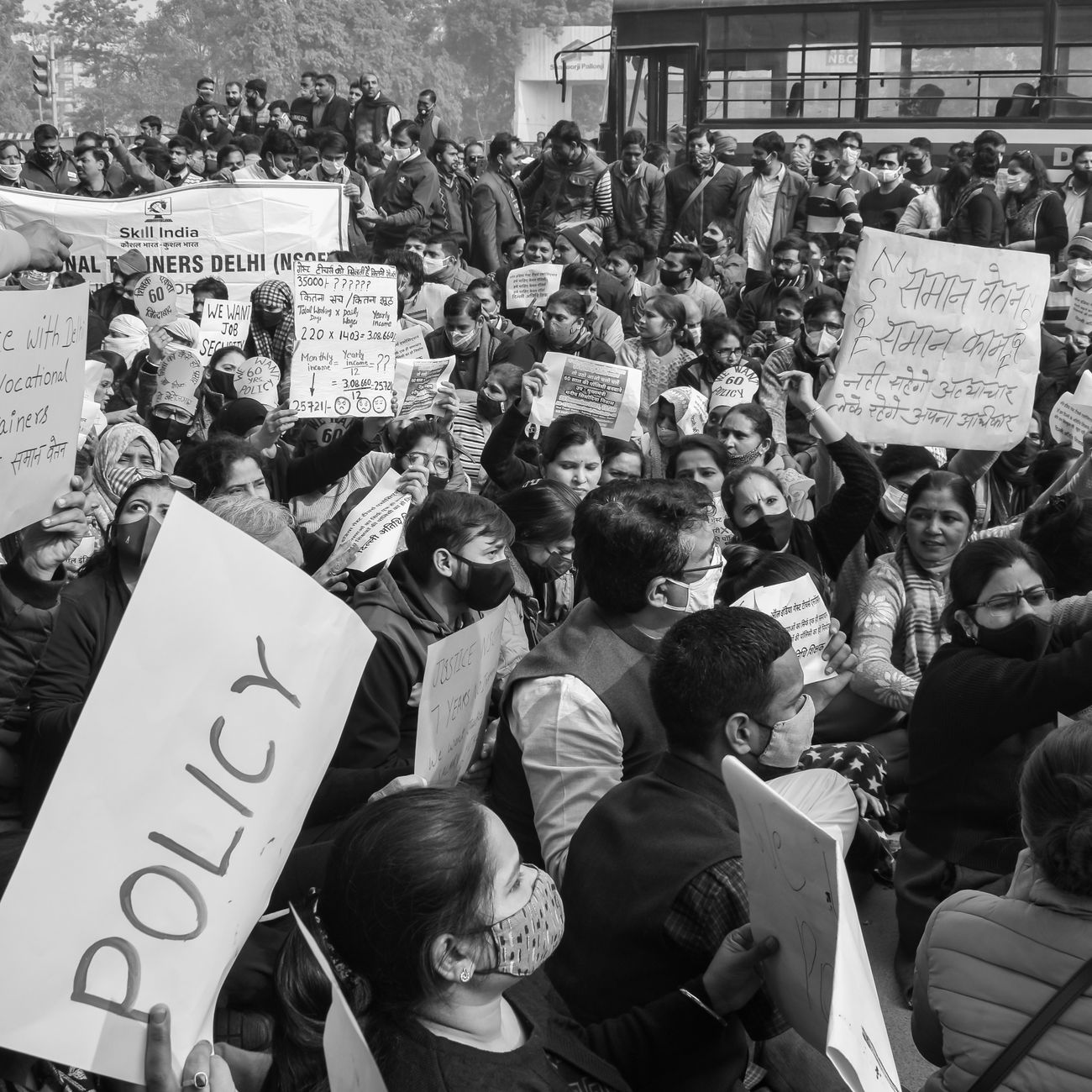
The mass hunger strikes being observed in solidarity with Wangchuk further underscore the gravity of the issue. As the Delhi High Court deliberates, the outcome holds potential implications not just for Wangchuk's health, but also for the broader discourse on educational reforms in India.
Wangchuk's steadfastness, even as he reportedly looks for solace in music to endure the physical toll, signals a pivotal moment in the citizen-led demand for transparency and fairness. The coming days will test both his resolve and the systems he seeks to reform.