South-East Asia Vows to Maintain Its Hard-Won Polio-Free Status
In an era where health crises loom large, South-East Asian countries have reiterated their unwavering commitment to a crucial public health milestone: maintaining their polio-free status. This determination was reaffirmed at the recent meeting of the South-East Asia Regional Certification Commission for Poliomyelitis Eradication (SEA-RCCPE), an annual gathering that evaluates the region's ongoing battle against polio.
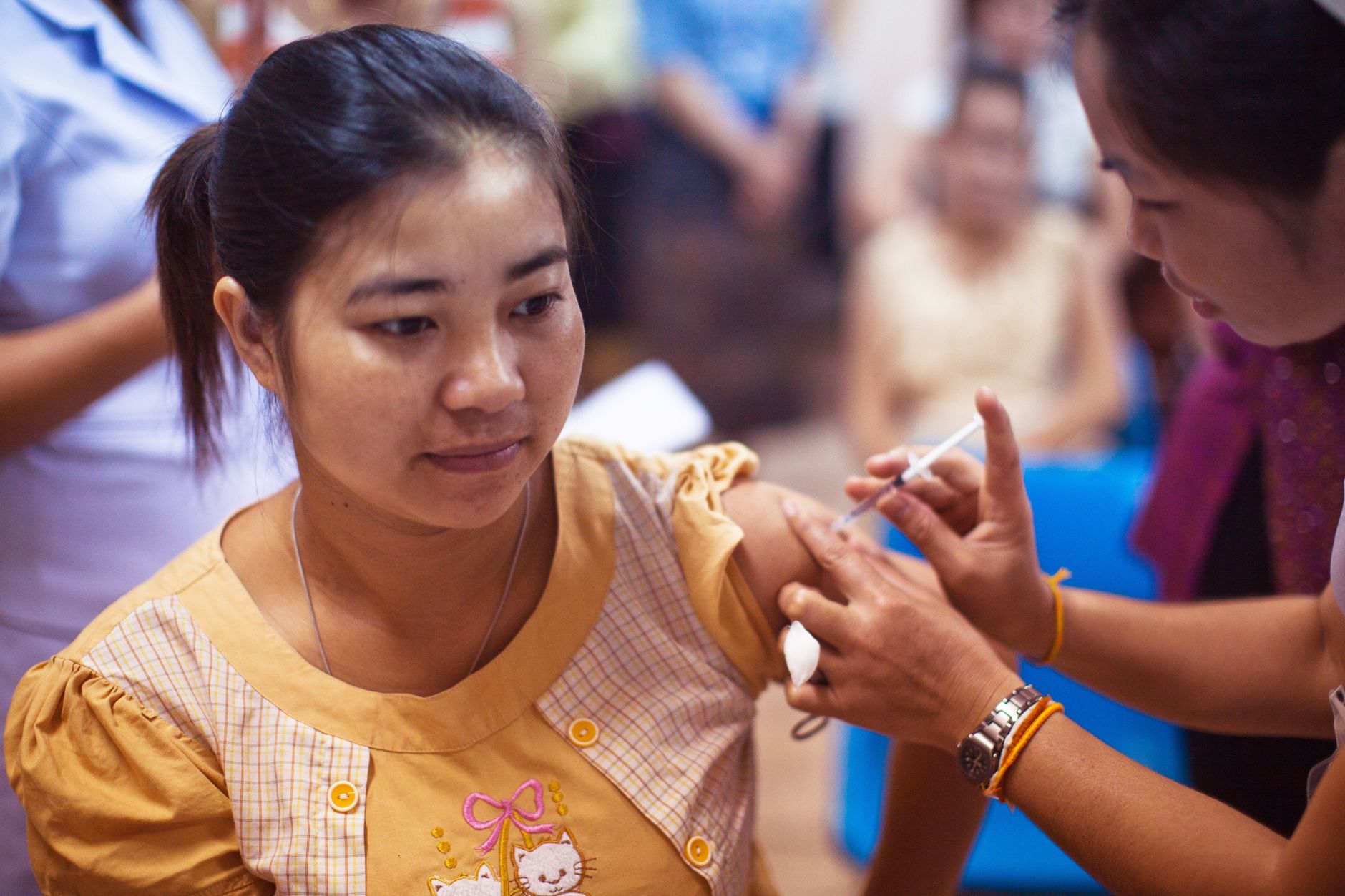
The significance of this commitment cannot be overstated. Since being declared free of wild polioviruses in 2014, the region has not reported a single case. This achievement is a testament to the relentless vaccination drives and public health campaigns that have, quite literally, inoculated the population against this devastating disease.
Lessons from the Past
The region's success in eradicating polio has not only protected millions from the disease but has also provided valuable lessons that are being applied to other public health challenges. The strategies that led to polio eradication, such as robust vaccination programmes, effective monitoring systems, and community engagement, are now being leveraged to tackle diseases like measles and rubella.
Dr. Poonam Khetrapal Singh, Regional Director of WHO South-East Asia, highlighted this approach, noting how the infrastructure and expertise developed for polio eradication are proving instrumental in broader health initiatives. "We are not just maintaining a polio-free region; we are using this platform to enhance overall public health," she remarked.
Vigilance and Innovation
Despite the success, complacency is not an option. The SEA-RCCPE's recent meeting focused on assessing potential risks that could undermine the region’s polio-free status. With global travel increasing, the threat of poliovirus importation remains, requiring constant vigilance and preparedness.
Innovations in surveillance and vaccination delivery are being explored to fortify defences against such threats. The region is also keenly observing developments in other parts of the world, adapting successful strategies to local contexts.
As the meeting concluded, the message was clear: South-East Asia is determined to keep polio at bay. The region's unwavering resolve serves as a beacon of hope and a model for public health success that resonates far beyond its borders.