Space Station Utilises AR and VR for Cutting-Edge Health Research
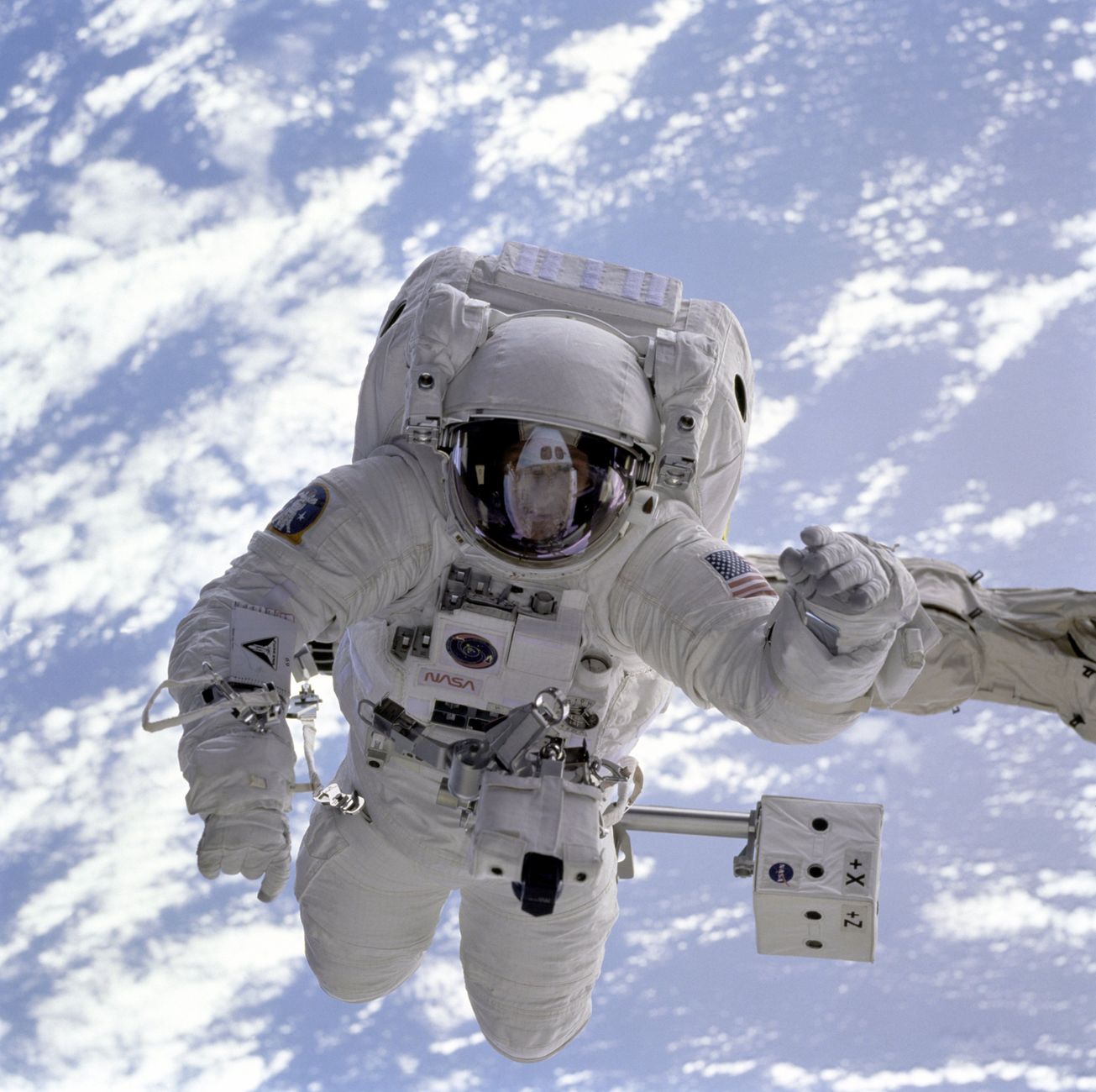
High above the Earth, where the stars are the only spectators, the International Space Station (ISS) is pioneering a unique form of health research. Onboard, the Expedition 74 crew is integrating augmented and virtual reality (AR/VR) tools into their daily routine. This is not mere science fiction; it is a bold step into the future of medicine.
AR and VR technologies are being harnessed to conduct intricate biomedical tests. These tools offer an immersive, interactive environment that allows astronauts to participate in simulations and experiments with unprecedented precision. The objective is clear: to improve the health and safety of astronauts, who face unique challenges in the microgravity of space.
Revolutionising Space Health
The use of AR and VR is not limited to entertainment or training on Earth; in space, it becomes a vital tool for medical innovation. The current experiments focus on understanding how these technologies can aid in managing health issues like muscle atrophy and bone density loss, common afflictions for those in prolonged space missions.
Moreover, these technologies hold potential for remote diagnostics and telemedicine applications. The ability to carry out detailed medical procedures or consultations via a virtual platform could be a game-changer, especially in situations where immediate physical access to medical experts is impossible.
Impact on Earthly Medicine
While the immediate beneficiaries of this research are the astronauts, the implications for Earth-based healthcare are profound. Augmented reality is already making waves in surgical procedures, enabling doctors to overlay critical data onto real-world views during operations. Virtual reality, on the other hand, is being explored for its therapeutic potential in treating mental health conditions, chronic pain, and neurological rehabilitation.
The ISS experiments are providing valuable data that could lead to more personalised, non-invasive treatment options, thus transforming patient care. As the boundary between virtual and reality blurs, the potential to revolutionise healthcare becomes increasingly tangible.
As the crew prepares for their end-of-month spacewalk, the integration of AR and VR tools continues to be a critical part of their mission. Not only are they advancing space health, but they are also laying the groundwork for future innovations that could redefine medical practices across the globe.