Spike in Environmental Offences in Telangana Raises Concern
In a year marked by growing environmental consciousness worldwide, Telangana has reported a significant spike in environmental offences, tallying 591 cases in 2024. This figure, though seemingly modest compared to larger states, highlights a pressing concern for regional authorities struggling to balance development with ecological preservation.
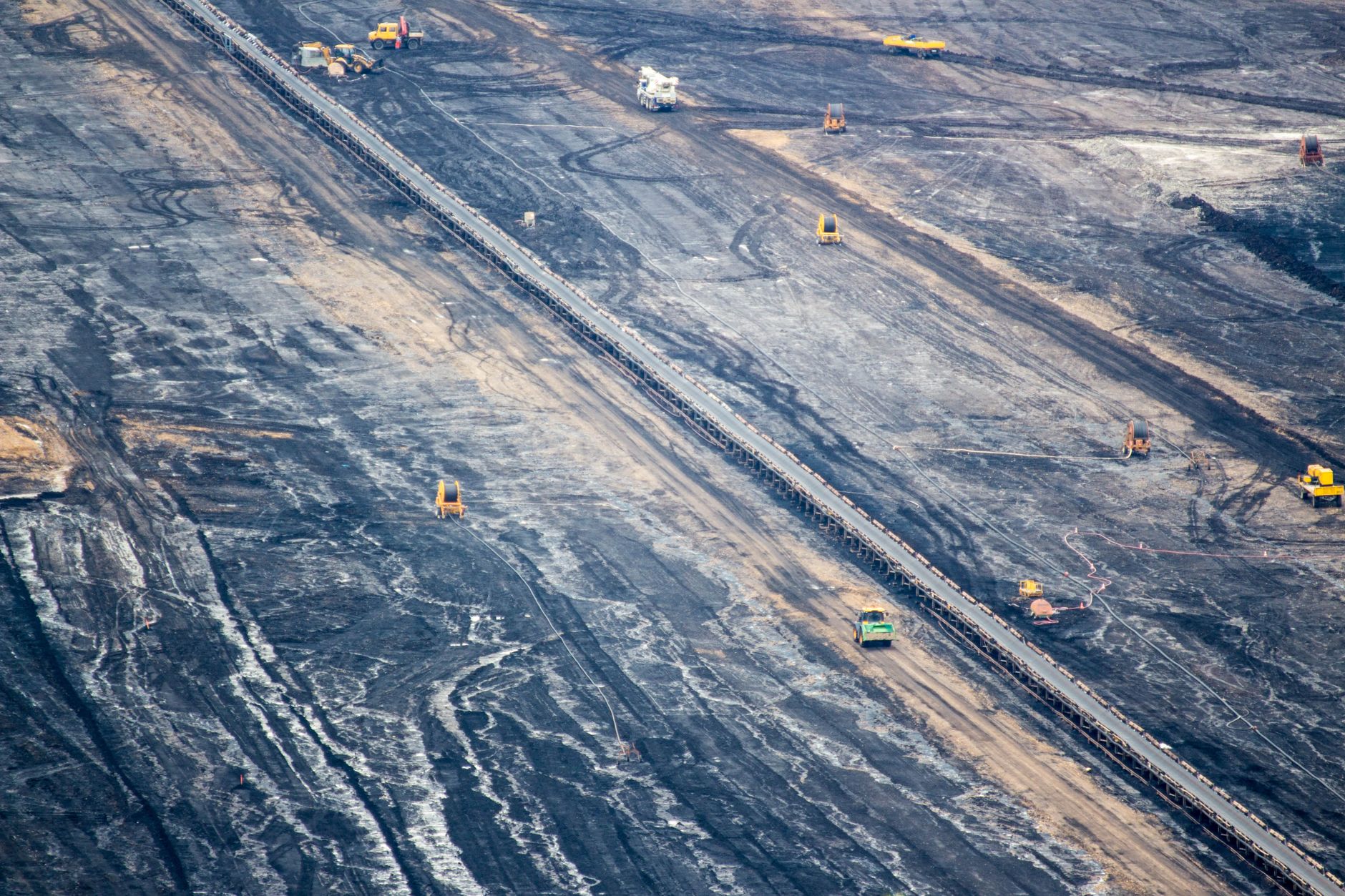
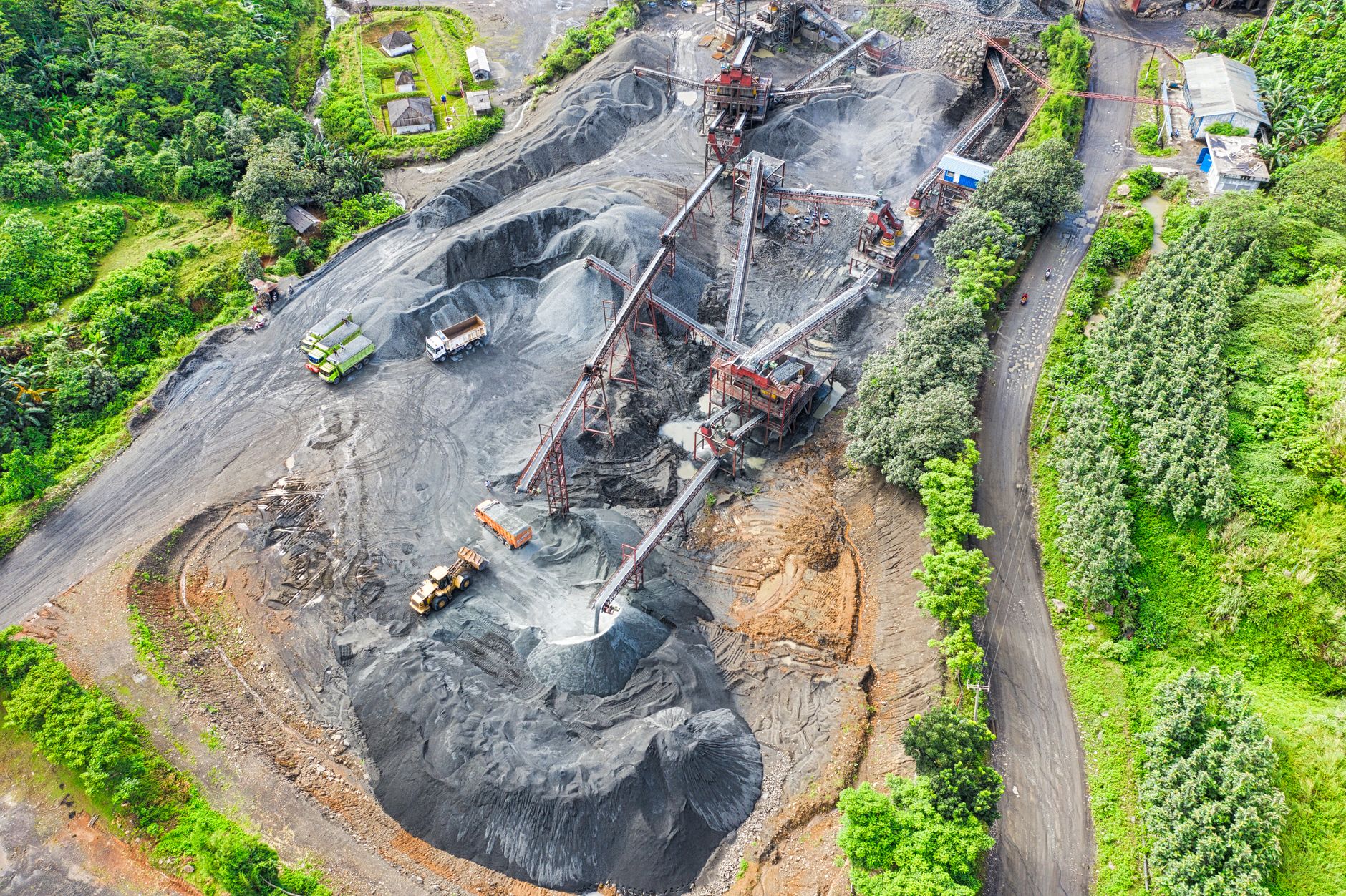
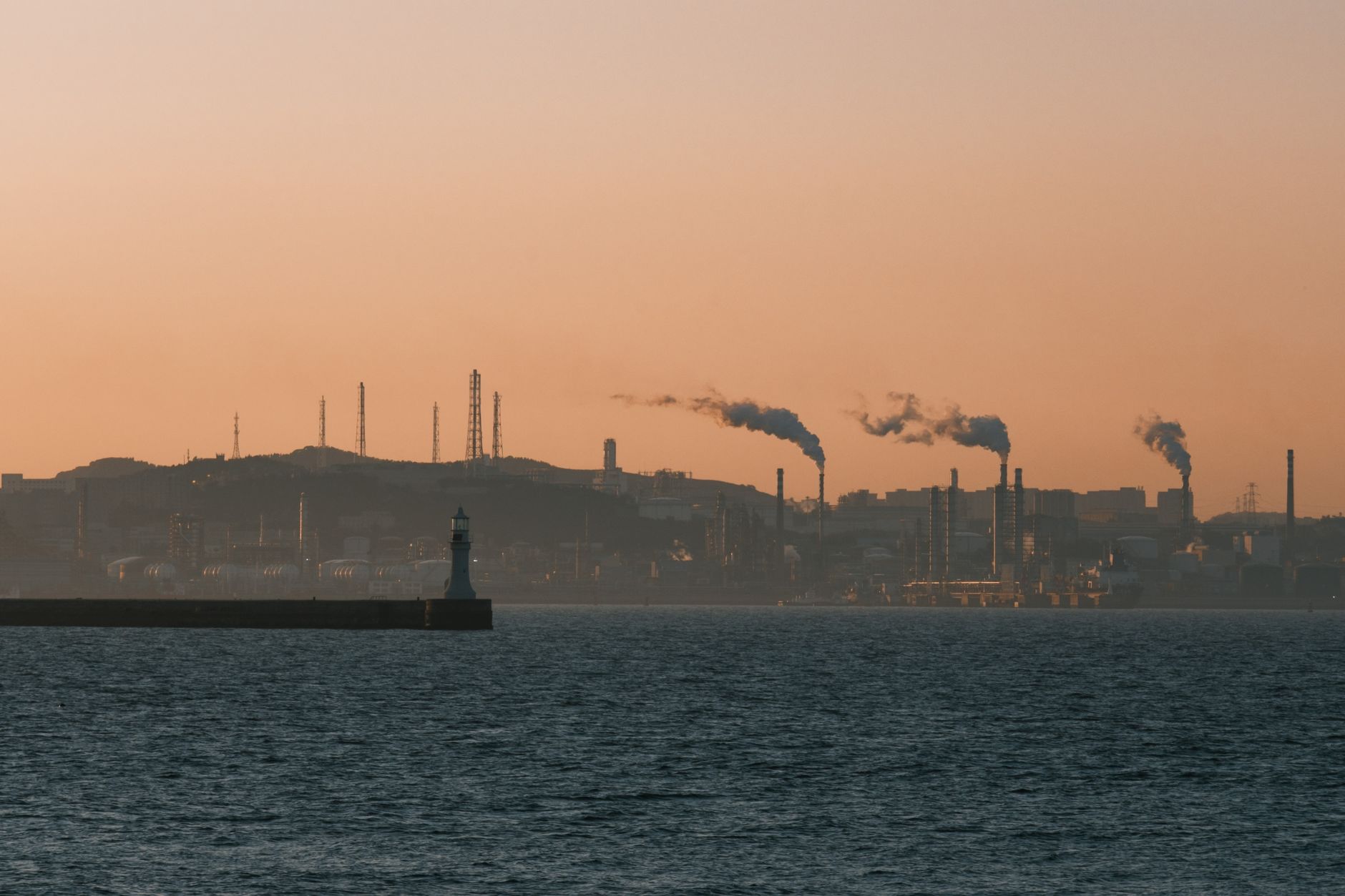
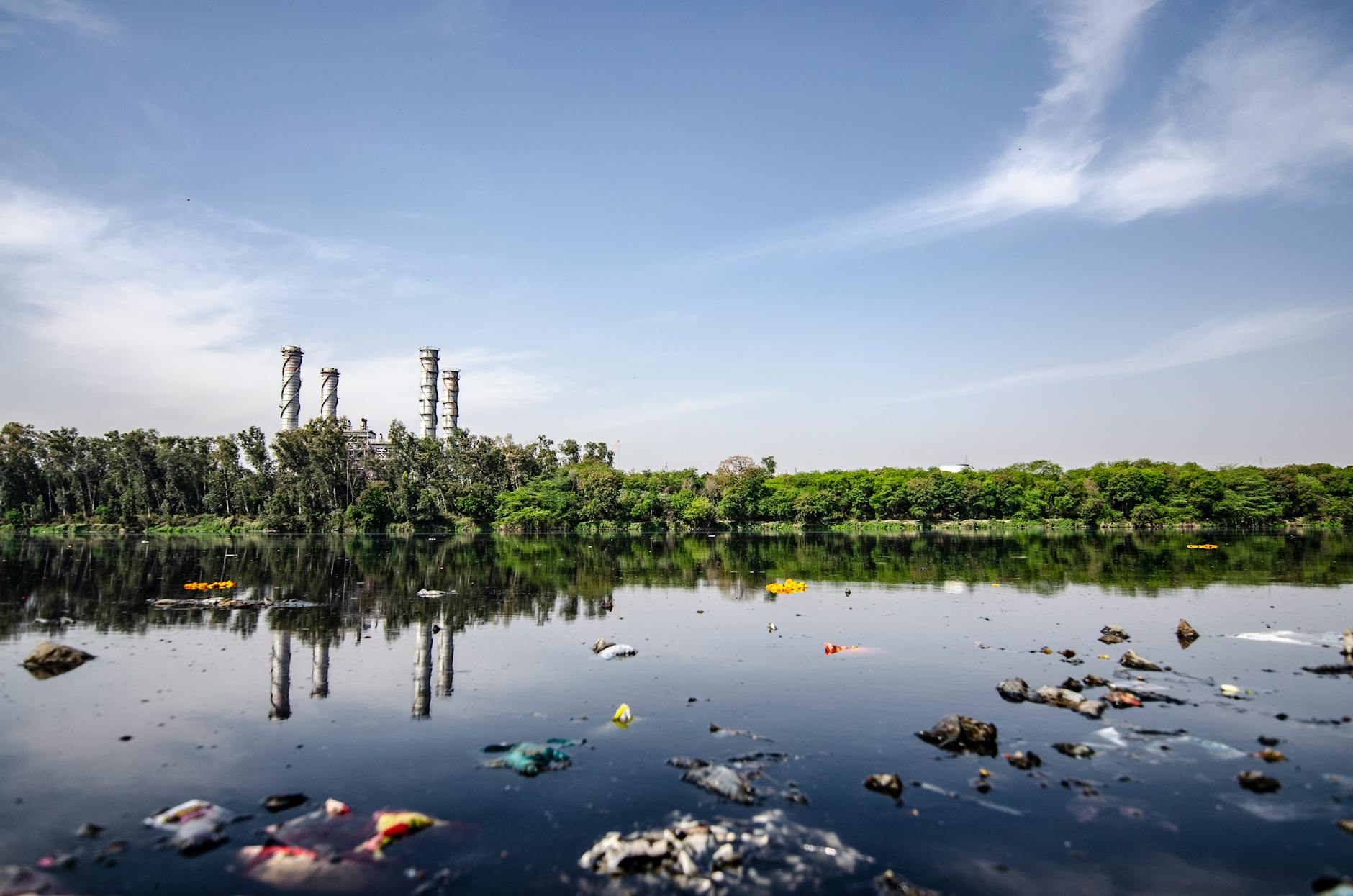
The offences span a range of violations, from illegal sand mining to industrial pollution, each contributing to the degradation of Telangana's natural resources. Environmental activists have long cautioned against the unchecked industrial activities in the region, which have now culminated in a record number of infractions.
Regulatory Challenges
The rise in offences reflects not only a failure in enforcement but also inadequacies in existing environmental policies. Despite the implementation of various regulations aimed at curbing pollution and promoting sustainable practices, the surge in offences suggests these measures are either insufficient or inadequately enforced.
Experts argue that stricter penalties and more robust monitoring mechanisms are necessary to deter potential violators. "The current framework lacks the teeth to enforce compliance effectively," noted Dr. Anjali Rao, a leading environmental policy analyst. "Without stronger deterrents, companies find it economically viable to flout the rules."
Global Context
This development comes at a time when the international community is increasingly focusing on legal frameworks to safeguard the environment. The European Union, for instance, has recently expanded its definition of environmental offences, underscoring a global trend towards stricter environmental governance.
Telangana's situation underscores the need for comprehensive reforms that not only address local challenges but also align with global environmental standards. As the world grapples with climate change and its myriad impacts, the state's rising offence numbers could serve as a catalyst for much-needed legislative change.
In conclusion, while Telangana's figures are alarming, they also present an opportunity for the state to lead by example in reforming its environmental policies. As awareness grows, so too must the resolve to implement effective solutions that safeguard the environment for future generations.