SpudCells: A New Dawn in Synthetic Biology?
In the quiet confines of a Minnesota laboratory, scientists have crafted a marvel akin to those early, tentative steps of the space race. Much like the launch of Sputnik in 1957, these 'SpudCells' might herald a new era—this time in the realm of synthetic biology.
Named with a nod to the groundbreaking Soviet satellite, these synthetic cells have been meticulously assembled from non-living chemical components. Yet, they display characteristics we traditionally associate with living organisms: they feed, they grow, they even replicate their own DNA.
The Genesis of SpudCells
Led by Professor Kate Adamala, researchers at the University of Minnesota have developed SpudCells as a potential chassis to construct life. The cells, fascinatingly dubbed for the humble potato, challenge one of biology’s oldest questions: when does chemistry transform into life?
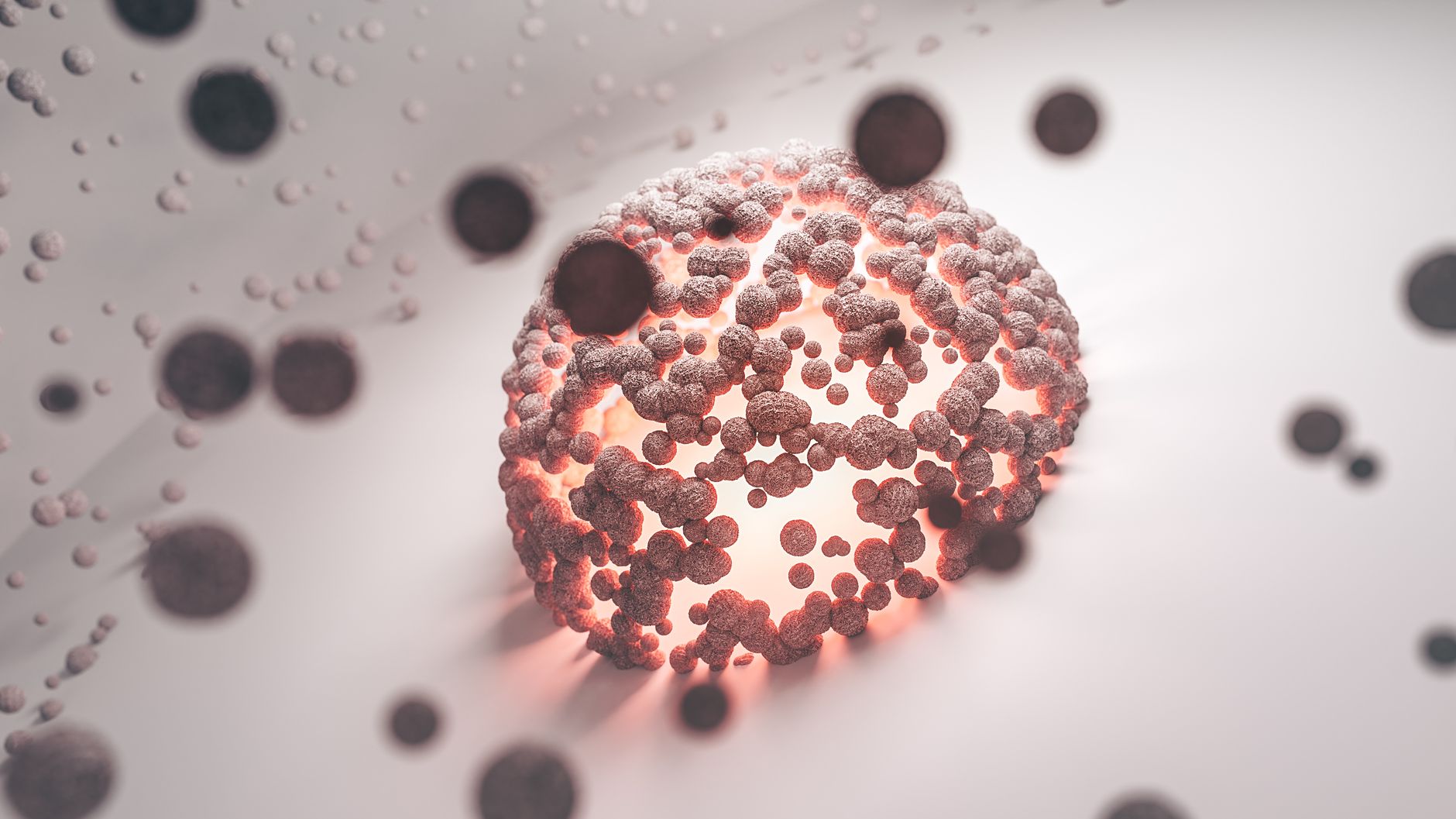
Super-resolution images reveal SpudCells' liposomes, encapsulating genomes and displaying active protein expression. In a striking experiment, these cells showcased an ability to evolve. When placed in competition with a mutant strain, the SpudCells adapted over five generations, outcompeting their originals.
Implications for Synthetic Biology
The implications of this development are profound. If synthetic cells can be engineered to function like biological ones, the potential applications range from medicine to environmental science. The capacity to design cells from scratch could revolutionise how we approach diseases, offering bespoke cellular treatments.
While these cells are not alive in the conventional sense, they provide a window into the alchemy of life. As Adamala herself notes, understanding this transformation could unlock new frontiers in science, much like Sputnik changed our view of space.
Indeed, the SpudCells may very well represent a 'Sputnik moment' for synthetic life, pushing the boundaries of what we consider possible in the realm of biology. As the world watches, these tiny blobs in a dish might just redefine our understanding of life itself.