Staffing Shortages Stall India's Vocational Education Plans
In the bustling corridors of India's educational institutions, a quiet crisis is unfolding. As the National Education Policy (NEP) 2020 enters its implementation phase, schools are grappling with a conspicuous absence of teachers for vocational and arts education. This comes at a time when the policy aims to revolutionise learning by integrating practical skills into the curriculum.
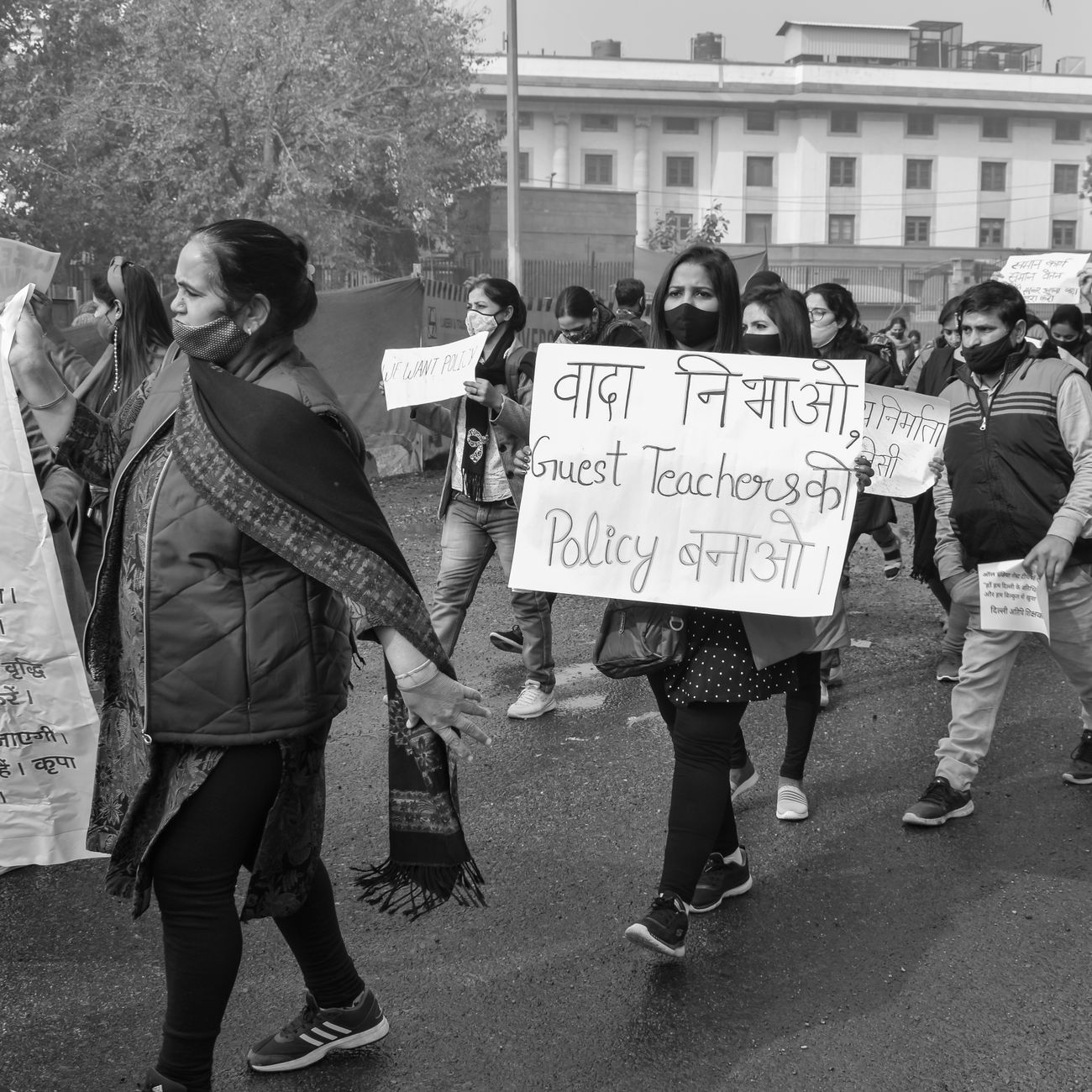
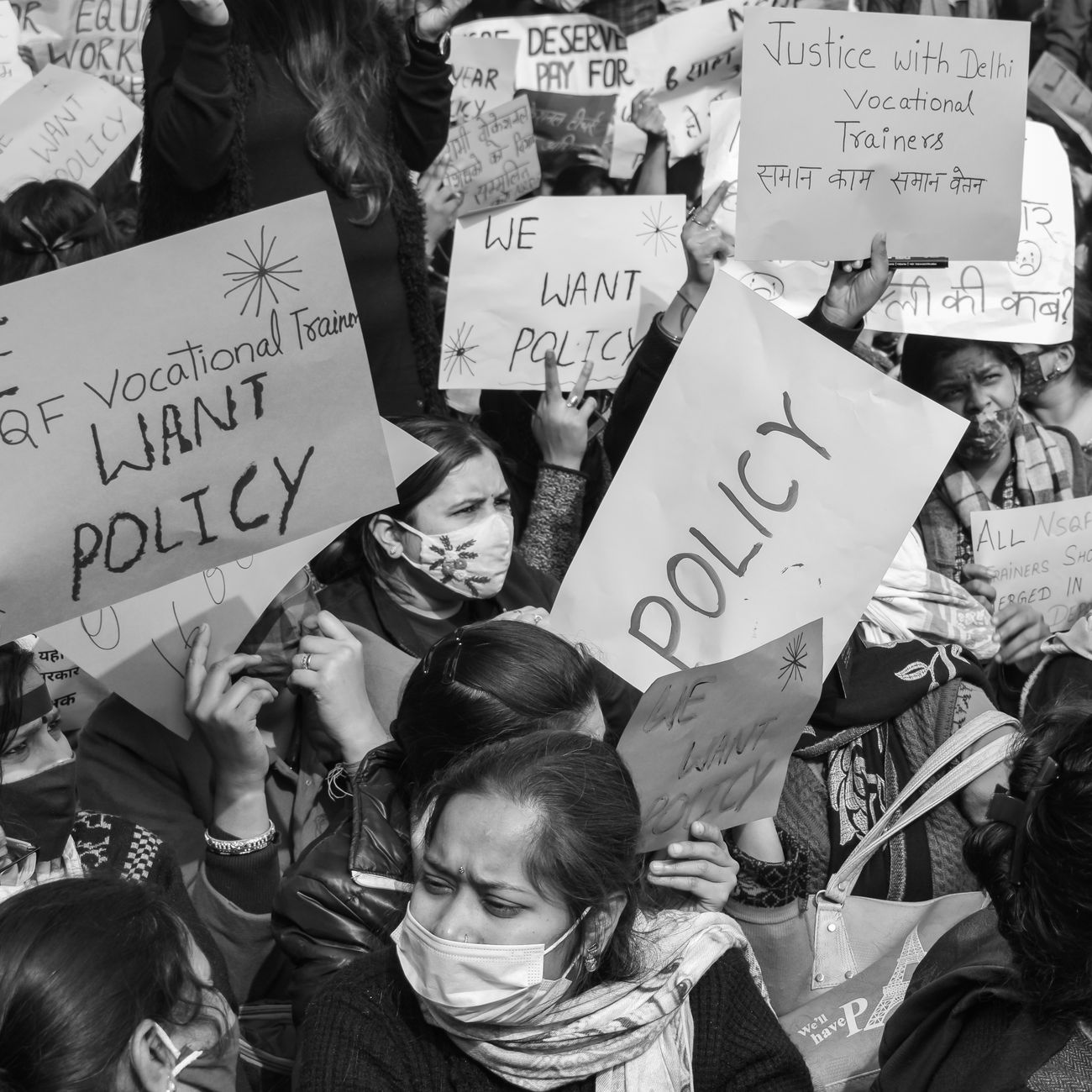
The promise of the NEP was to create a more holistic educational experience, marrying traditional subjects with skills that prepare students for the real world. Yet, the reality is starkly different. Many schools, particularly in urban areas like Cuttack, have resorted to hiring guest faculty to fill the gaps. However, this is a stopgap solution at best.
Unresolved Staffing Challenges
At the heart of the issue is the lack of trained educators. The policy's vision of reducing the pupil-teacher ratio and ensuring each teacher receives 50 hours of continuous professional development annually remains largely aspirational. The deployment of a single teacher across multiple schools, as criticised by education advocate Siva, highlights systemic inefficiencies that further undermine educational quality.
Some educators are calling for a postponement of the NEP rollout. They argue that accelerating the curriculum development process, while teacher recruitment lags, is a recipe for chaos. "Without teachers, textbooks and a curriculum are just paper," remarked an anonymous educator.
The Road Ahead
As the NEP marks its five-year anniversary, the need for a robust teacher recruitment and training programme is more pressing than ever. The government's commitment to strengthening Teacher Eligibility Tests (TETs) and bolstering professional development must translate into tangible action.
While the vision of the NEP is commendable, its success hinges on addressing these staffing dilemmas. As schools prepare to resume post-summer break, the focus must shift from policy to practical implementation, ensuring that the spirit of vocational education is not lost in translation.