State Elections in India Highlight Growing Religious Divide
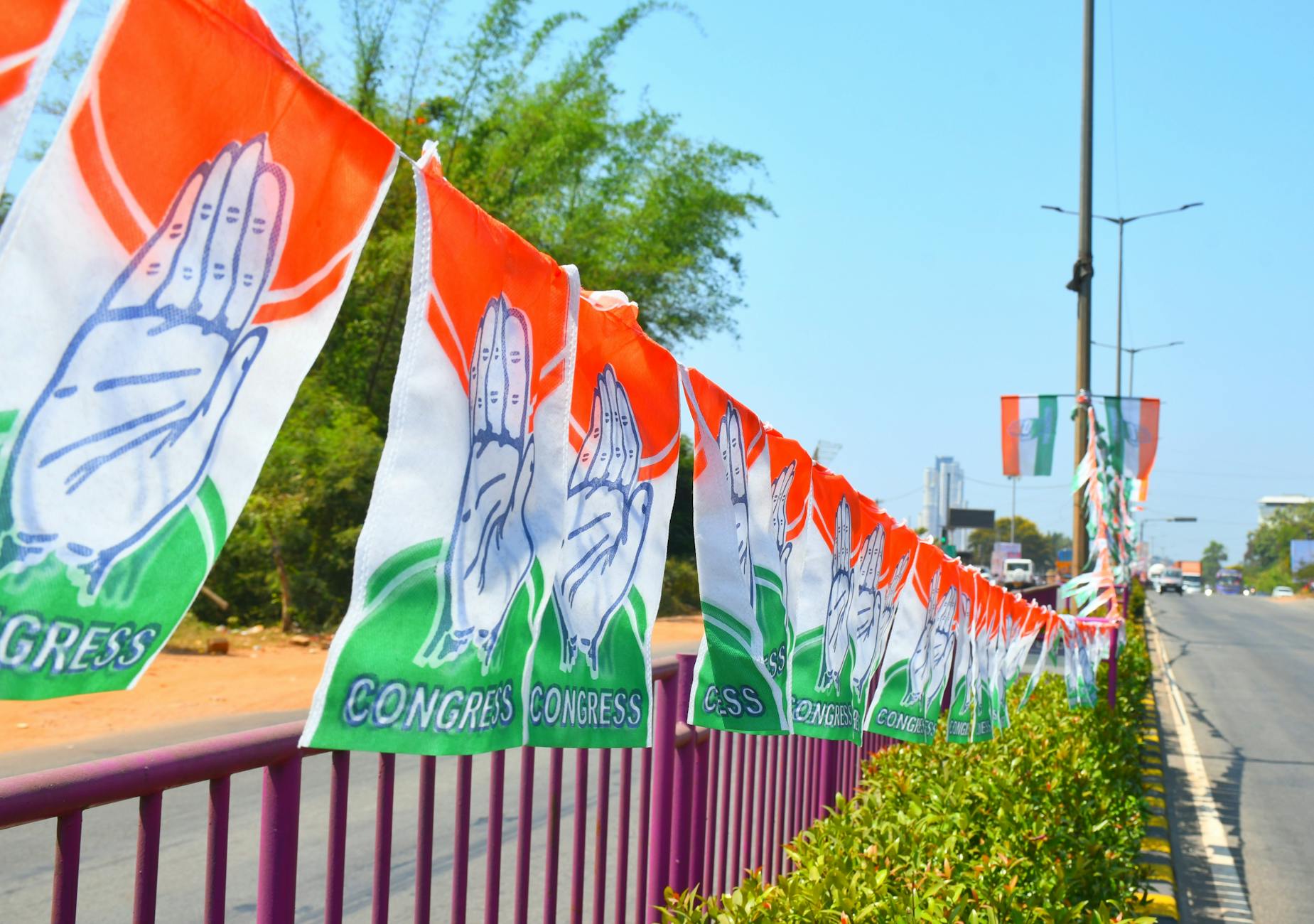
The political landscape of India has always been as vibrant as it is diverse, yet the recent state elections have cast a spotlight on the growing chasm between its Hindu and Muslim populations. In a country where religion and politics are inextricably linked, the election results have provided a sobering reminder of this complex relationship.
In Assam, a state with a significant Muslim population, the Indian National Congress has seen a surge in support, particularly among Muslim voters. Out of the 19 newly elected Congress lawmakers, 18 are Muslim, a notable increase from the previous assembly. This shift reflects a broader pattern of consolidation among Muslim voters who are increasingly aligning with the Congress party in response to the Bharatiya Janata Party's (BJP) Hindu nationalist agenda.
The BJP, led by Prime Minister Narendra Modi, has been successful in rallying Hindu voters, evident in states like West Bengal, where their support remains strong. The party's emphasis on Hindu identity politics seems to have struck a chord with a significant portion of the electorate, further entrenching the divide.
Background and Implications
Historically, India's political fabric has been woven with threads of religious diversity. However, the rise of the BJP has introduced a new dynamic, where Hindu nationalism plays a central role. This strategy appears to be effective, albeit controversial, as it capitalises on historical grievances and fears.
Analysts warn that the deepening divide could have long-term impacts on India's social cohesion. As political lines are increasingly drawn along religious boundaries, the risk of communal tensions could overshadow the country's democratic processes.
The implications of this divide extend beyond the immediate election results. It raises questions about the future of India's secularism, a principle enshrined in its Constitution. As political parties continue to leverage religious identities, the challenge remains to foster a political environment that prioritises unity over division.