Strait of Hormuz Turmoil Sparks Asia's Fuel Dilemma
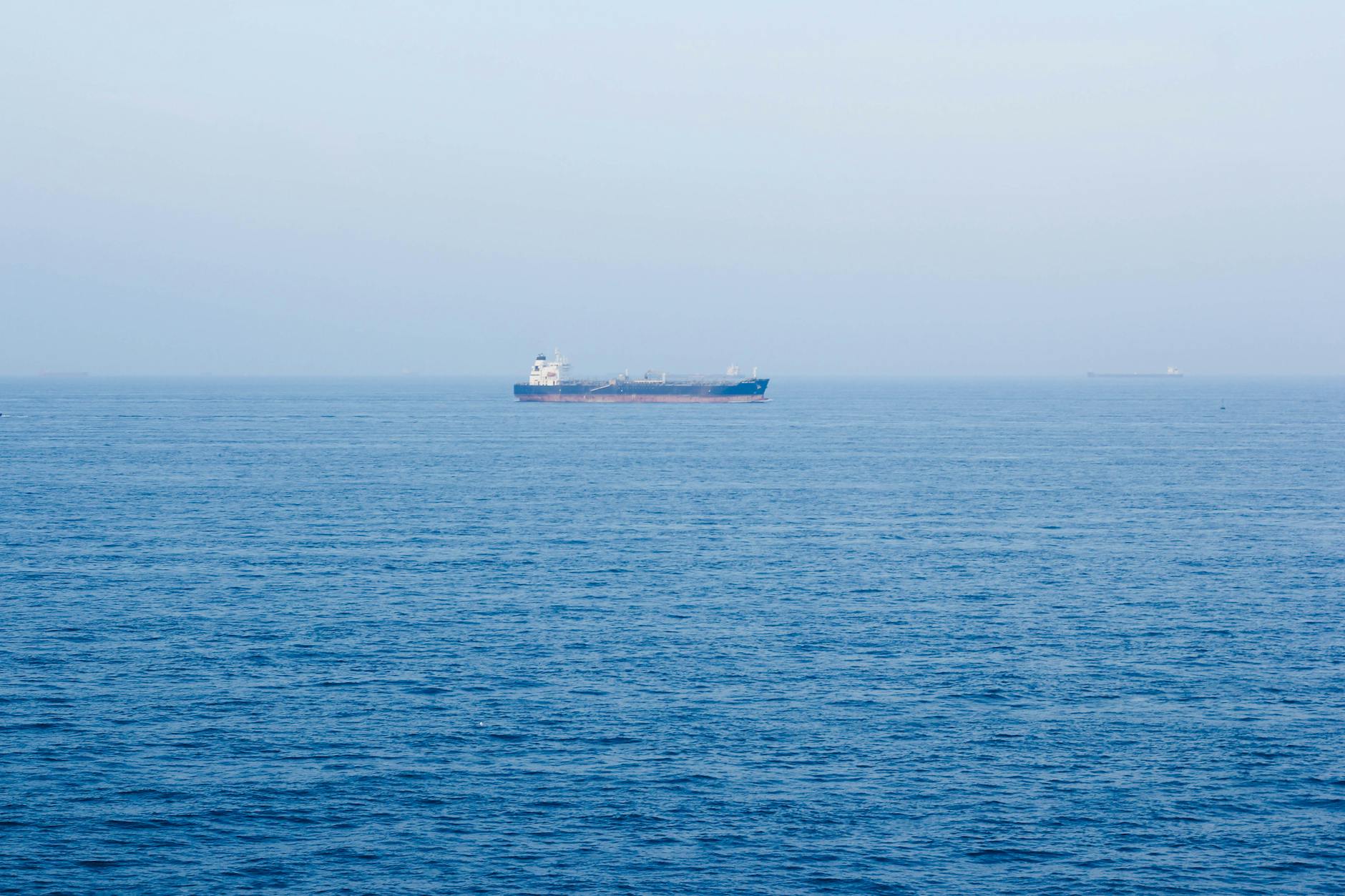
The churning waters of the Strait of Hormuz have once again become a focal point of global concern. As tensions in Iran escalate, the ripple effects are being keenly felt across Asia, where a bunker fuel crunch is causing widespread consternation. This crucial waterway, through which nearly a fifth of the world’s oil passes, is now a chokepoint for energy supplies destined for Asian markets.
The immediate impact is stark: bunker fuel prices have surged by a staggering 35%, a burden that is rippling through the supply chains of the region’s manufacturing giants. Singapore, a critical hub in the maritime network, has already begun implementing fuel rationing measures to cope with the shortfall.
Economic Ripples Across Asia
For manufacturers who rely heavily on maritime shipping, the cost hikes are a bitter pill. Many are scrambling to secure alternative fuel sources from the West, driving up costs and disrupting production schedules. The crisis has highlighted, yet again, the precarious nature of Asia’s energy security, heavily tethered as it is to Middle Eastern oil exports.
This dependency raises strategic concerns, prompting questions about how the region might diversify its energy sources to mitigate future risks. Energy analysts are quick to point out that while alternative routes and suppliers exist, shifting supply chains on such a scale is neither swift nor simple.
Strategic Reassessments
In response to the crisis, governments across Asia are reassessing their energy policies. Discussions on renewable energy investments have gained new urgency, with some nations accelerating their plans to expand solar and wind power capabilities.
However, the immediate challenge remains acute. With no quick resolution in sight for the conflict in Iran, Asian economies are bracing for prolonged disruptions. The Strait of Hormuz, once again, underscores its status as a strategic linchpin in global energy dynamics, reminding the world of the fragile balance upon which international trade rests.