Super Typhoon Bavi Threatens Taiwan and China
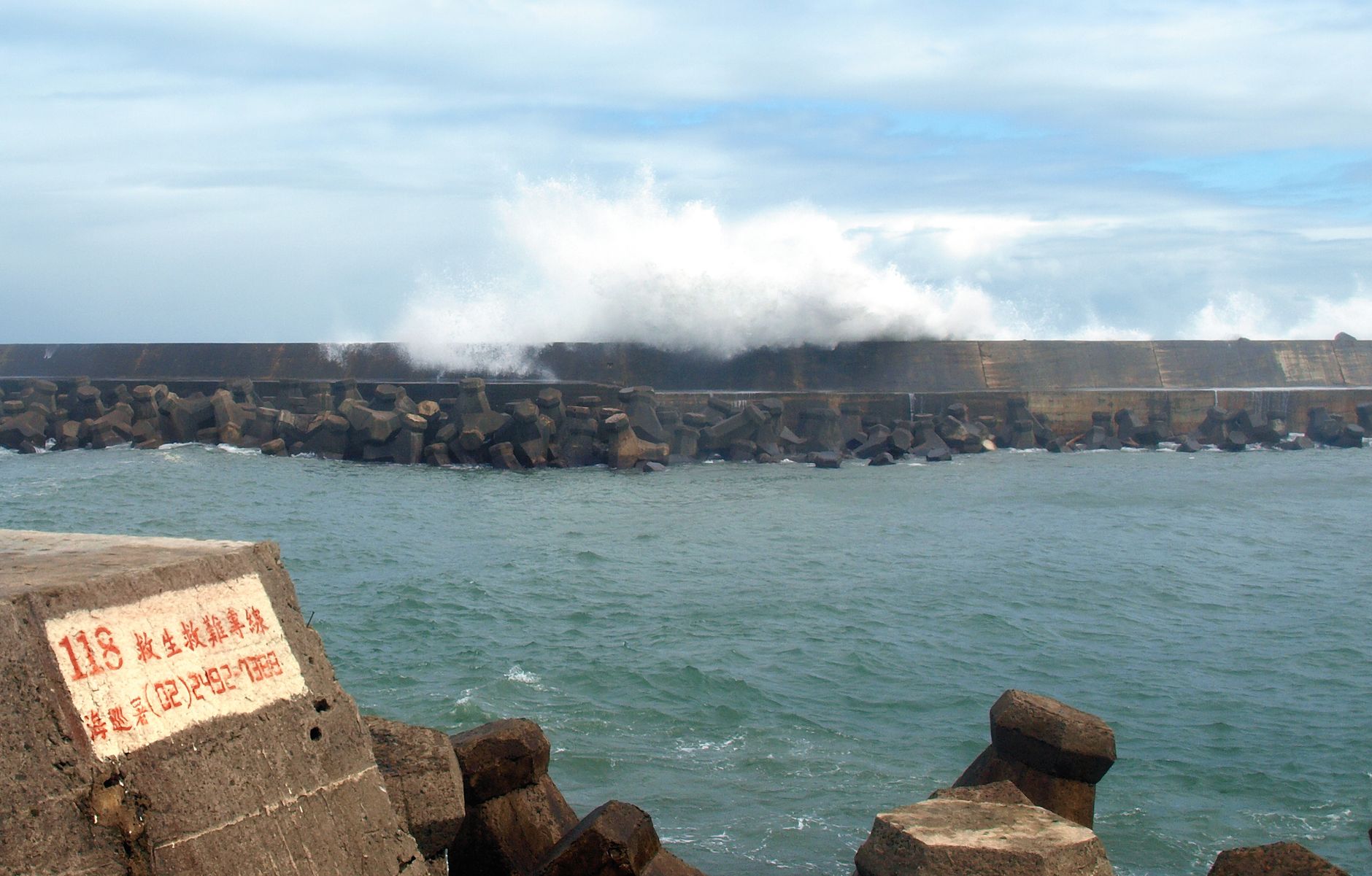
As Super Typhoon Bavi barrels across the Pacific, its menacing trajectory towards Taiwan and China is causing ripples of concern across the region. Already a Category 5 storm, Bavi's intensity is matched by few, conjuring the spectre of past catastrophic typhoons such as Haiyan.
With maximum sustained winds reaching a fierce 315 km/h, Bavi has left its mark on Guam and the Northern Marianas, where it unleashed torrential rains and powerful winds. The storm's path is now set towards the eastern coast of China and Taiwan, regions still bearing the scars of previous typhoons.
Preparing for Impact
Authorities have issued warnings, urging residents to brace for potentially severe weather. Evacuations are underway in vulnerable areas, with emergency services on high alert. The memories of Typhoon Haiyan, which claimed thousands of lives and wrought widespread destruction in 2013, loom large as communities prepare for Bavi's arrival.
Experts attribute Bavi's formidable strength to unusually warm sea surface temperatures, which have hovered around 30 degrees Celsius. Such conditions fuel the cyclone's power, increasing the potential for devastation as it makes landfall.
Lessons from the Past
The lessons from past typhoons underscore the importance of preparedness. In an era where climate change is altering weather patterns, storms like Bavi are becoming more frequent and intense. As the world watches Bavi's progress, the focus remains on safeguarding lives and minimising damage.
While the exact path remains uncertain, meteorologists continue to monitor the situation closely. For those in Bavi's path, the coming days are a tense waiting game, hoping for the best but preparing for the worst.