Supermarket Food Claims: A Marketing Mirage?
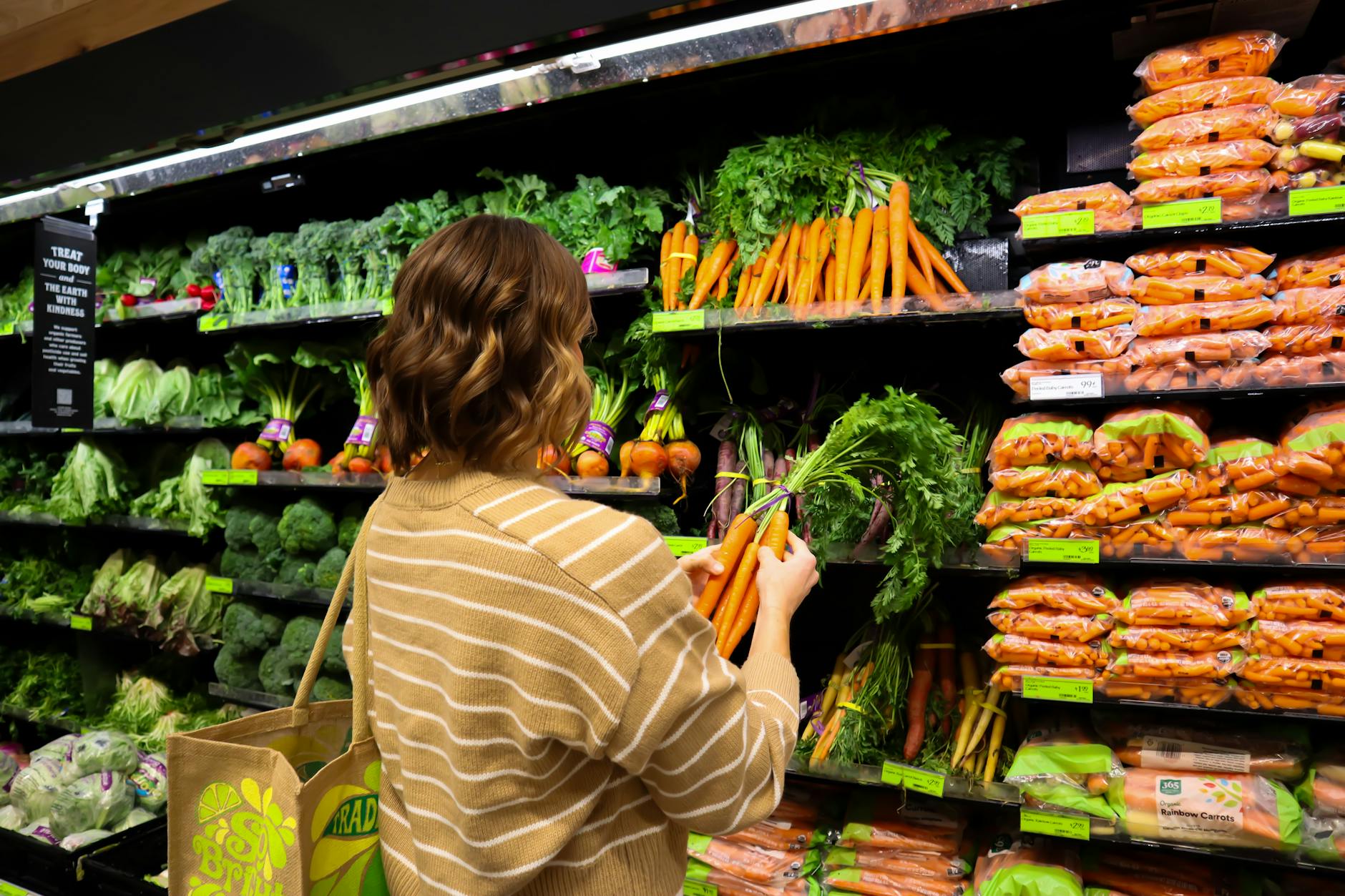
In the bustling aisles of your local supermarket, labels that boast of being 'natural' or 'sustainable' have become almost ubiquitous. Yet, according to recent findings from Australian researchers, these claims may be more smoke and mirrors than bona fide commitments to environmental stewardship.
Researchers have suggested that many of these labels serve as marketing tools rather than indicators of genuine environmental benefits. This revelation comes as a wake-up call for consumers who, in good faith, have been purchasing products under the assumption that they are making eco-friendly choices.
The Complexity of Regulations
In the UK, the regulatory landscape surrounding food labelling is notably intricate. Legal and sustainability experts caution businesses to tread carefully when making claims about naturalness or sugar content. The risk of misleading consumers is not just a matter of ethics, but also one of legality, as companies could face significant penalties for false advertising.
Ryan Holmes of Compass, a catering group, has applied the Oxford method to mitigate the environmental impact of workplace meals. This approach reflects a broader trend among food businesses to substantiate their environmental claims with evidence-based practices.
A Call for Transparency
As shoppers become increasingly conscious of their ecological footprint, the demand for transparent labelling is mounting. The possibility of introducing environmental impact ratings on food products could revolutionise how consumers make purchasing decisions. Such ratings would provide a more reliable metric than the often vague and unregulated terms currently in use.
This shift towards transparency is not just about empowering consumers. It also challenges food producers to genuinely commit to sustainable practices rather than relying on glossy marketing tactics.
In conclusion, while the supermarket shelves may be lined with promises of sustainability, it is crucial for consumers to remain discerning. As researchers continue to shed light on these marketing ploys, the hope is that both producers and consumers will move towards a more genuine and informed engagement with sustainability.