Supreme Court Challenges Environmental Activists' Stance
In a candid exchange that underscores the fraught relationship between environmental advocacy and economic development, the Supreme Court of India has thrown down the gauntlet to environmental activists. Chief Justice Surya Kant, addressing a bench, provocatively asked to be shown a single development project in the country that has been welcomed by these activists.
This statement comes amidst a growing narrative where environmental regulations are perceived by some as hurdles to essential infrastructure projects. The Chief Justice's remarks reflect a broader sentiment among certain policymakers that stringent environmental scrutiny is stalling India's developmental ambitions.
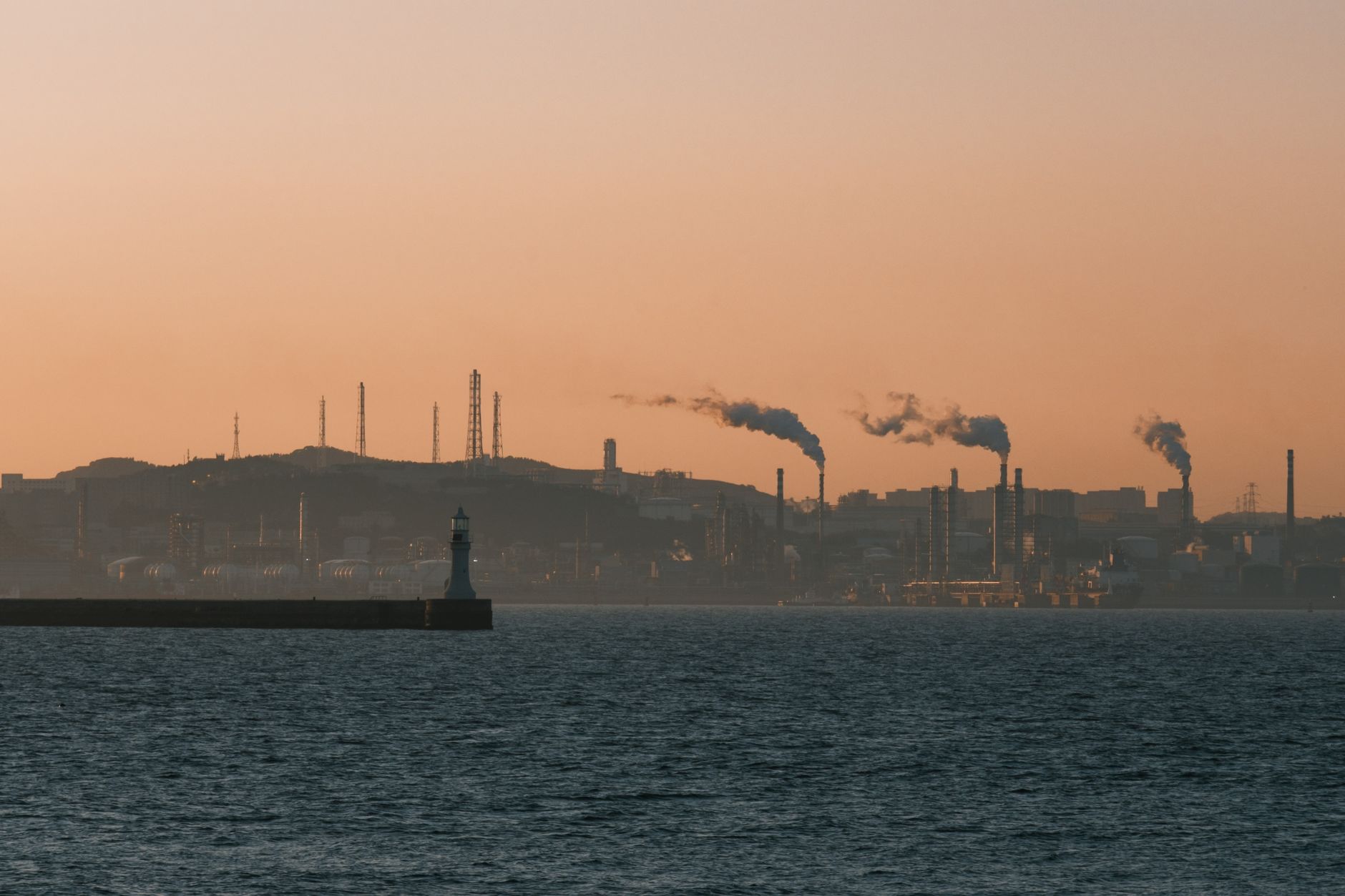
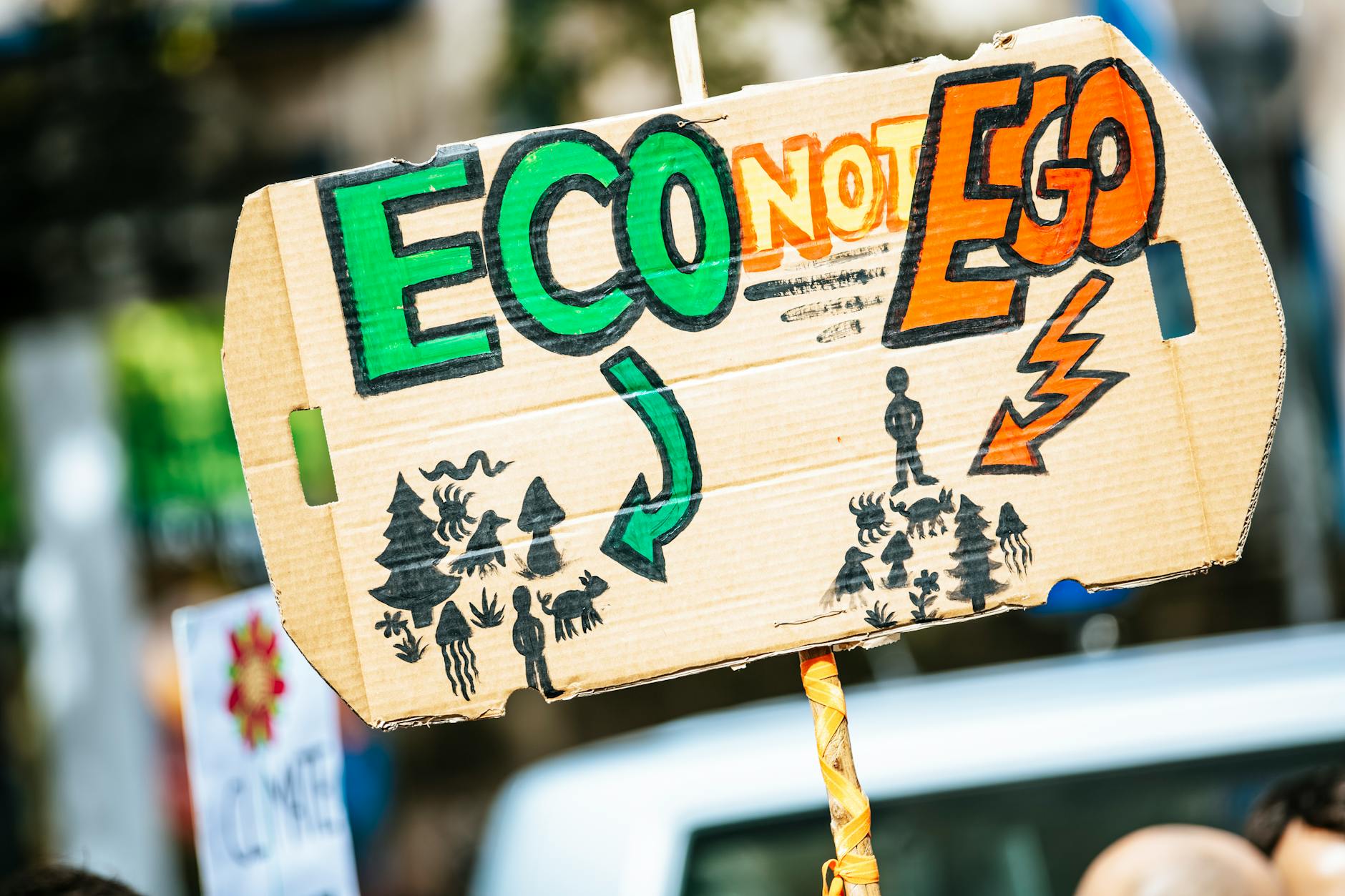
For years, activists have been vocal opponents of numerous projects, citing concerns such as deforestation, pollution, and displacement of local communities. These concerns, they argue, are critical for sustainable development. However, the judiciary's latest comments suggest a need to balance these concerns with the nation's economic needs.
A History of Discord
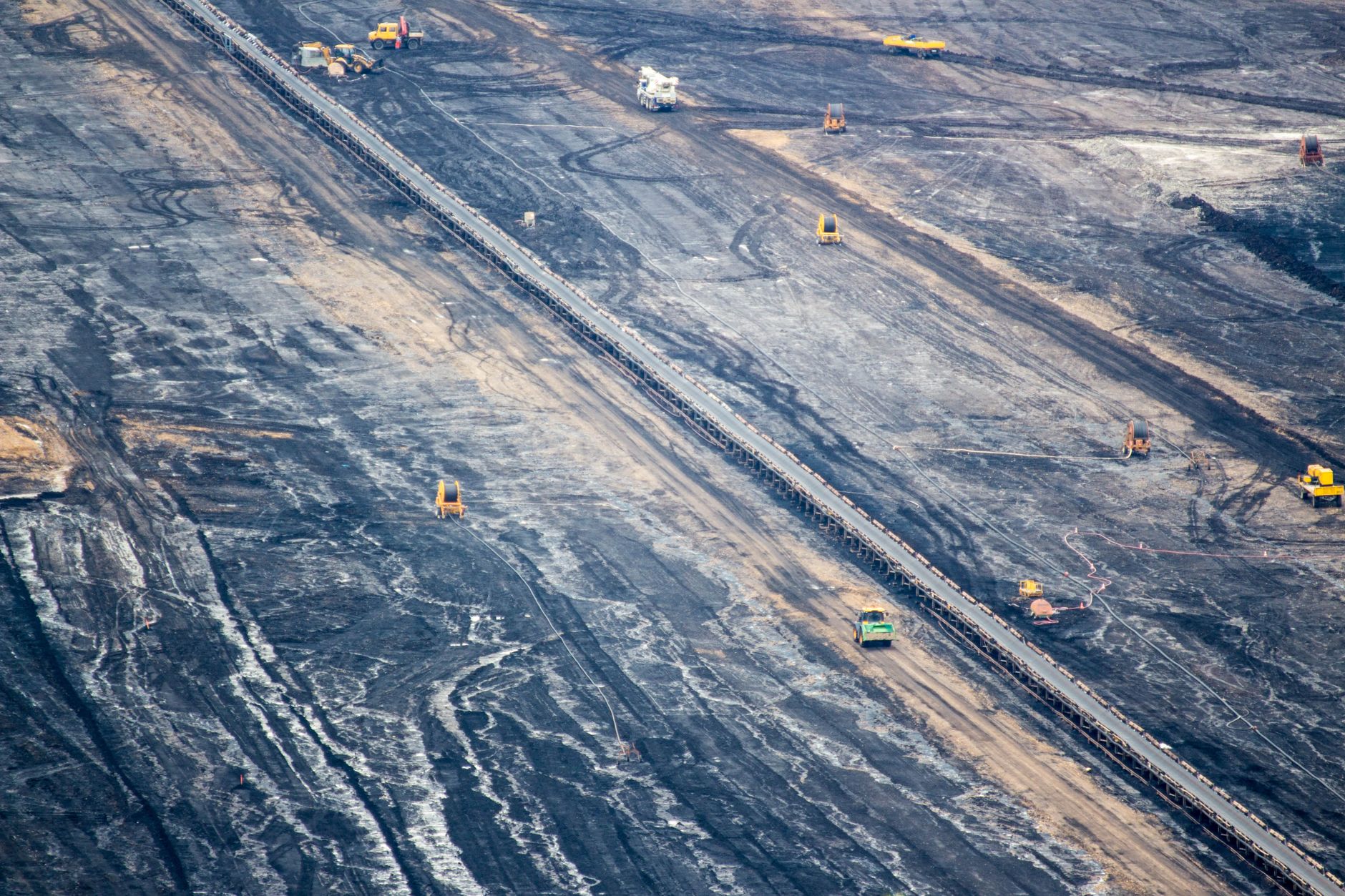
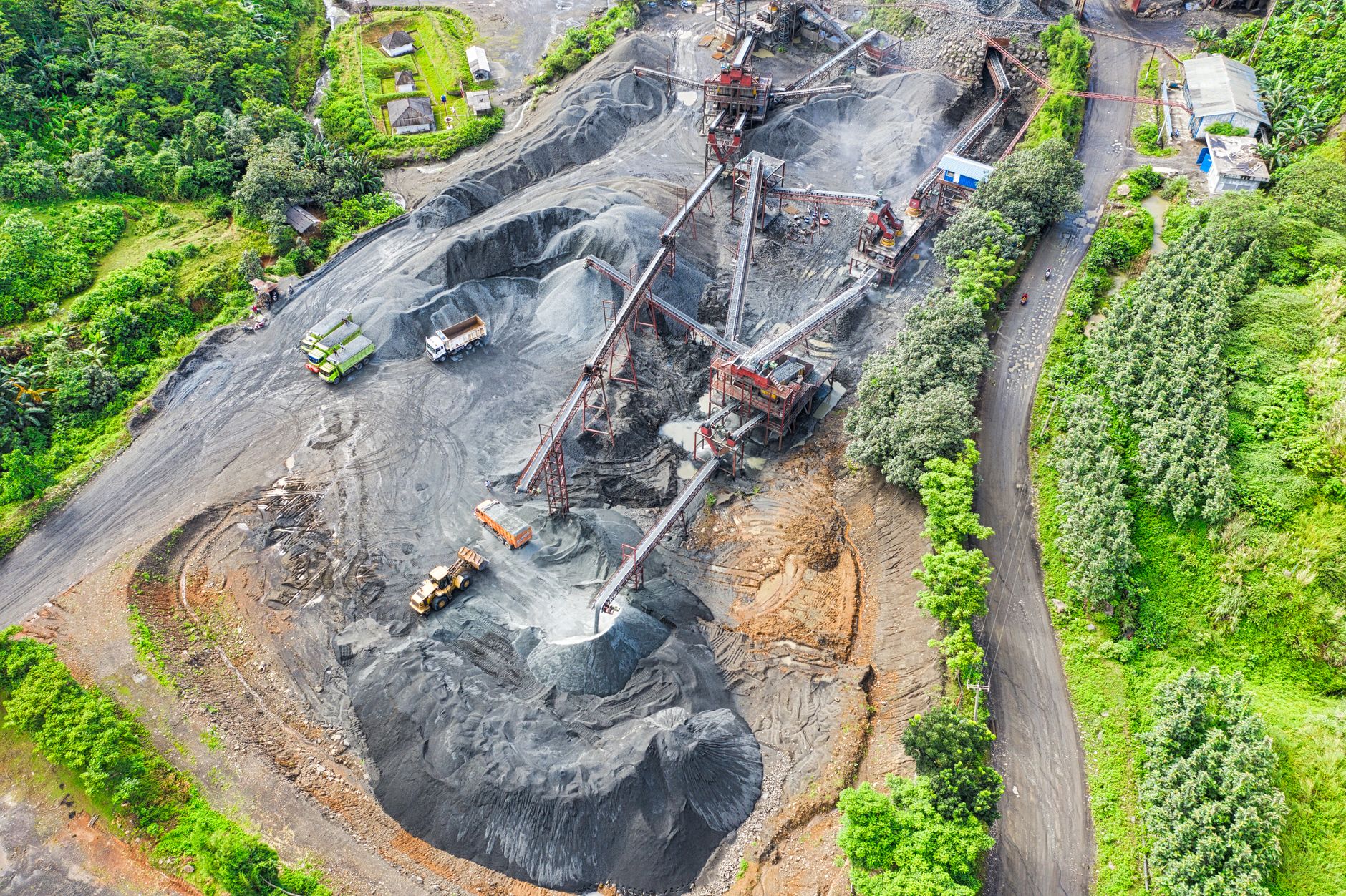
Environmental activism in India has a storied history, often pitting grassroots movements against large-scale industrial projects. From the contentious Narmada Dam project to the more recent disputes over mining operations in tribal lands, activists have been at the forefront of highlighting potential environmental and social repercussions.
Yet, this constant opposition has led to friction with proponents of development, who argue that environmental laws are often wielded as tools to delay or derail projects. The statement by the Supreme Court may signal a judicial impatience with what is seen as obstructionist tactics.
The Path Forward
The challenge posed by the court raises pertinent questions about the future of environmental regulation in India. While it is undeniable that the country needs to address its infrastructure deficits, ensuring the environmental sustainability of such projects remains equally critical.
As the debate unfolds, it may prompt a re-evaluation of how environmental impact assessments are conducted and how projects are approved. The ultimate goal, as many hope, is to find a harmonious path that respects both developmental and environmental imperatives.