Supreme Court Challenges Environmentalists on Development Projects
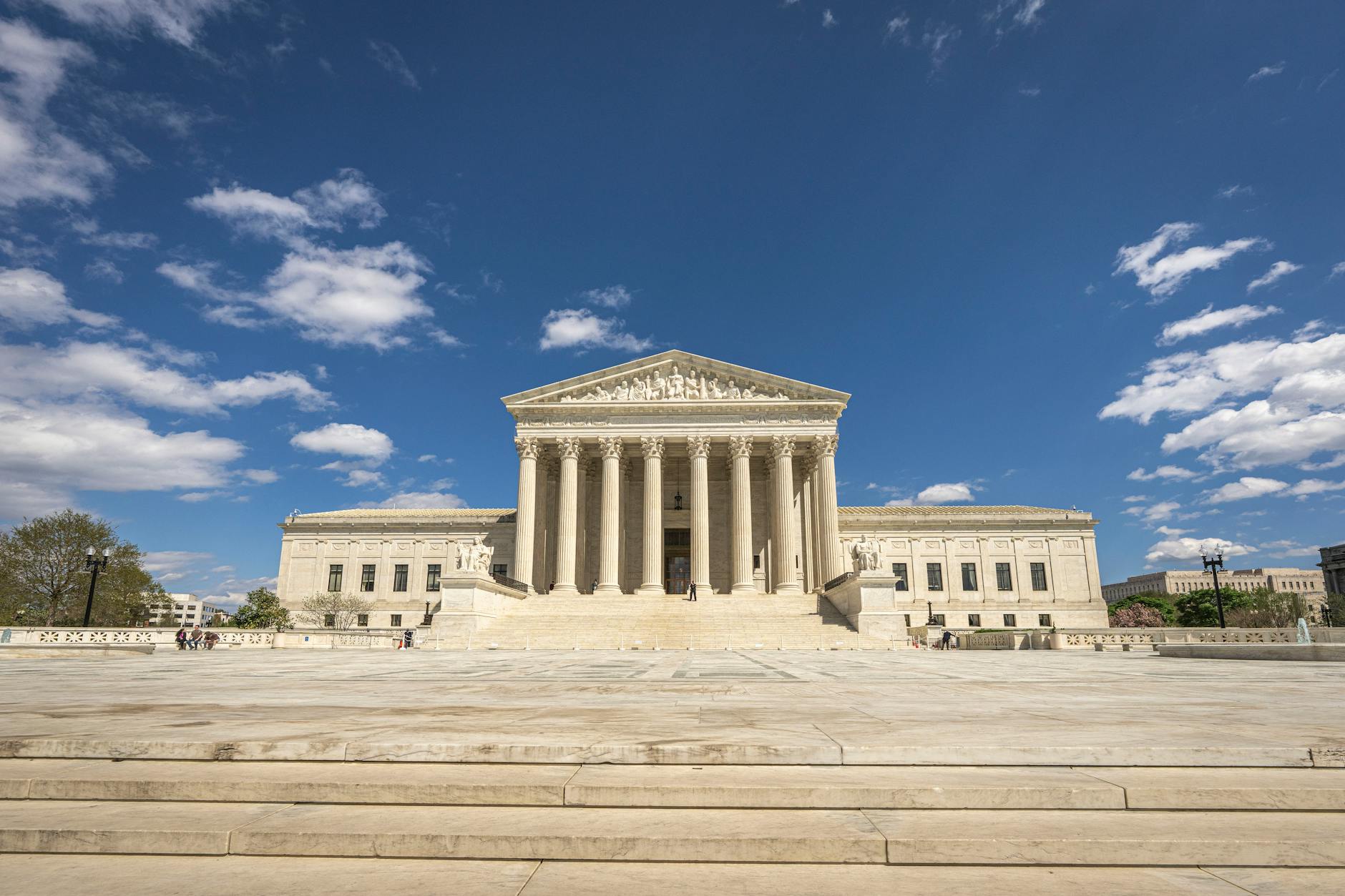
In a scene that captured the attention of legal and environmental observers alike, India's Supreme Court threw down the gauntlet to environmental activists. Challenging them to name a single development project they have welcomed, the court underlined the ongoing friction between ecological preservation and infrastructure expansion.
Presiding over a case on Monday, a bench led by Chief Justice Surya Kant, accompanied by Justice Joymalya Bagchi, expressed frustration at the perceived obstructionism of environmental activists. The justices' comments reflect a growing sentiment within sections of the government and public that environmental objections often impede necessary development.
Development vs. Environment
The court's remarks come at a time when India is grappling with the dual challenges of fostering economic growth and mitigating environmental degradation. As the nation seeks to modernise its infrastructure, from transportation to energy, these projects frequently encounter resistance from environmental groups concerned about ecological impacts.
Critics argue that activists sometimes deploy environmental concerns as a means to delay or derail projects, citing high-profile cases like the Central Vista redevelopment. Proponents of development, however, contend that such projects are vital for the nation's progress and that environmental regulations can be balanced with growth objectives.
A Call for Balance
While the court's challenge might be seen as a defence of development, it also underscores the need for a balanced approach. Sustainable development remains a crucial goal, necessitating collaboration between policymakers, developers, and environmentalists. The court's remarks could be interpreted as an invitation for more constructive engagement between these stakeholders.
As India continues on its development trajectory, the dialogue initiated by the court may prompt a reassessment of how environmental and developmental priorities are aligned. The question remains whether this will lead to a more integrated approach that satisfies both development needs and ecological responsibilities.