Supreme Court Criticises RTI Activism as a 'Business', Denies Bail
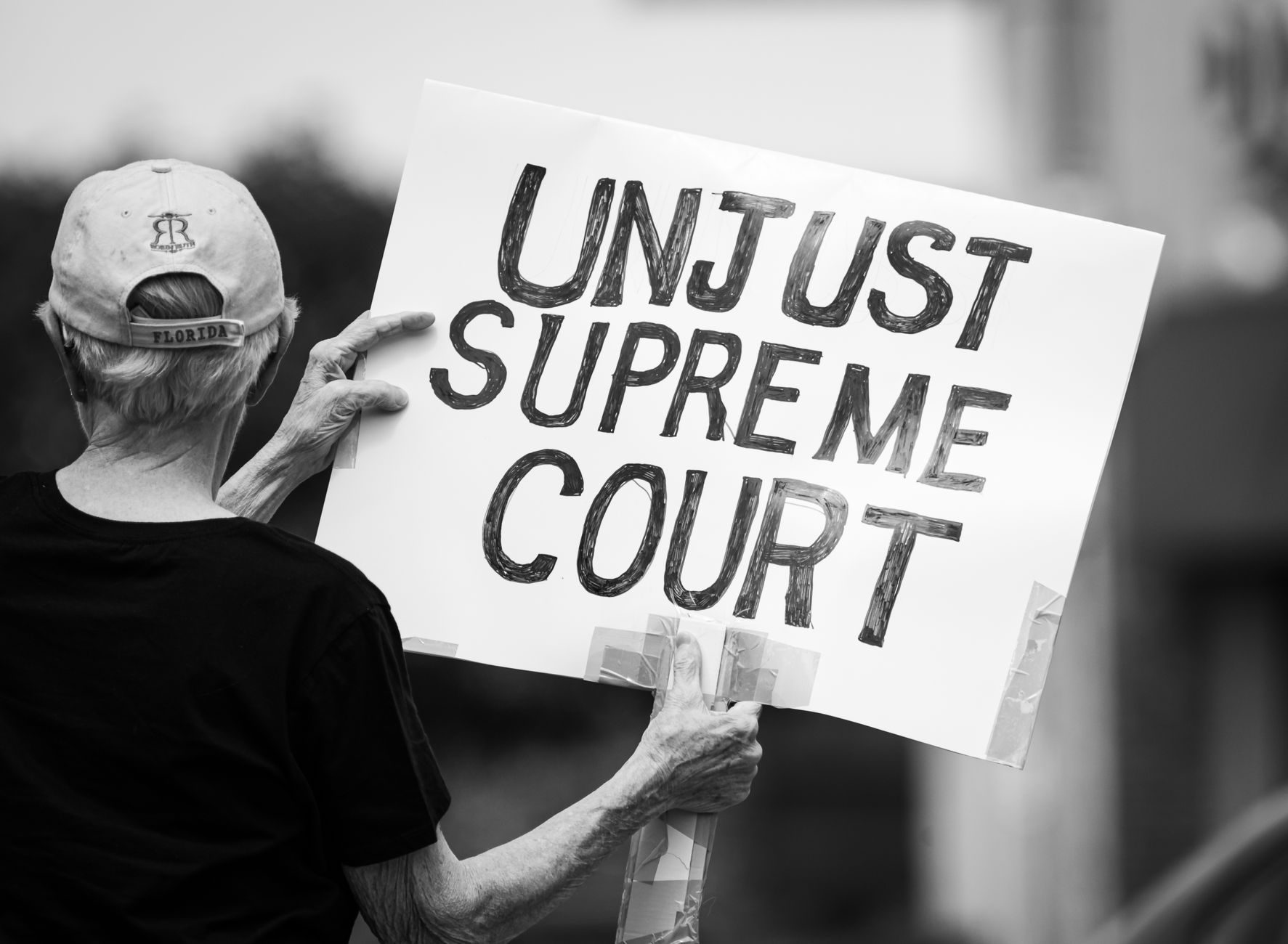
The Supreme Court has made headlines by asserting that Right to Information (RTI) activism has morphed into a 'business', a remark that accompanied its decision to deny anticipatory bail to Rakesh Kumar Behl, a self-styled RTI activist. Behl, along with an associate, faced allegations of obstructing public servants involved in constructing a road in Punjab, prompting the top court to take a stern stance.
RTI, a cornerstone of transparency and accountability in India, was envisioned as a tool for empowering citizens to request information from government bodies. However, the Supreme Court's remarks reflect a growing concern that some individuals may be exploiting this tool for personal gain.
"Who are you to monitor all these road progress and all?" the bench queried, questioning Behl's authority to intervene in governmental operations. The court's decision underscores the delicate balance between civic activism and potential overreach, sparking discussions on the proper role of RTI in governance.
Activism or Interference?
The case has drawn attention to the complex dynamics between citizens and the state. While RTI activists have historically played a pivotal role in exposing corruption and inefficiencies, the court's remarks suggest that the line between activism and obstruction may be blurring.
Critics of the decision argue that it could have a chilling effect on genuine activists who rely on the RTI Act to hold authorities accountable. They fear that labelling activism as a 'business' might discourage citizens from engaging with the state's mechanisms.
The Path Forward
As the discourse unfolds, the ruling invites a re-examination of the RTI Act's implementation and its potential for misuse. Advocates for reform suggest stricter guidelines and oversight to ensure that the RTI remains a tool for empowerment rather than exploitation.
In the meantime, the decision has set a precedent that could influence future cases involving the delicate interplay of citizen oversight and governmental function. As RTI activism continues to evolve, the challenge remains to preserve its integrity while preventing its misuse.