Supreme Court Critiques RTI Activism as Commercial Enterprise
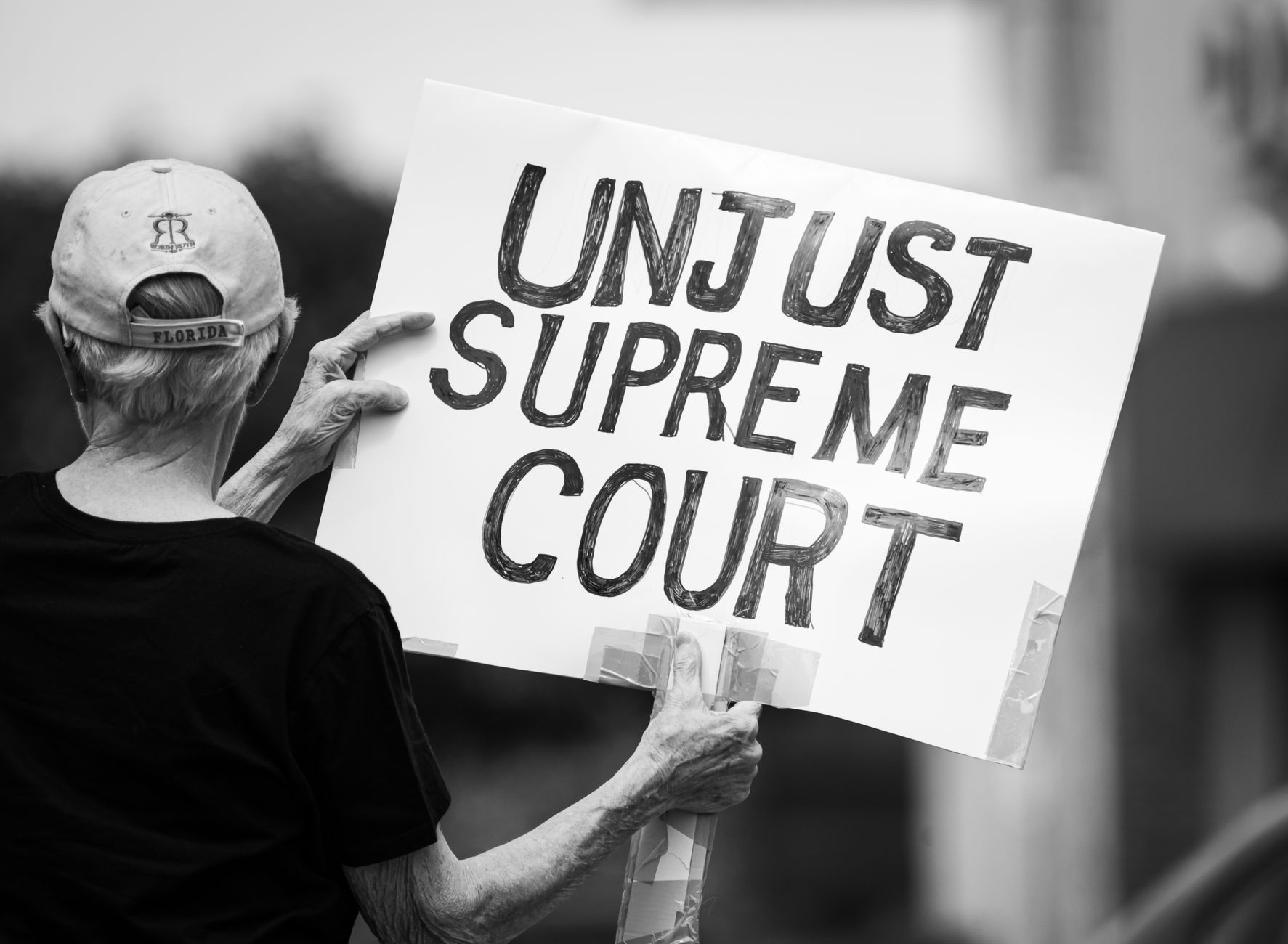
The Indian Supreme Court's recent judgement has sparked significant discourse as it criticised the metamorphosis of Right to Information (RTI) activism into an alleged commercial practice. This critique came as the court denied anticipatory bail to an activist embroiled in a contentious road construction case.
Justice Mehta, in a scathing observation, remarked that RTI activism has morphed into a 'new business'. He questioned the legitimacy of such activism, suggesting that the Central government's funding and oversight should suffice for public projects like road construction. 'You are nobody,' he asserted, dismissing the activist's plea for bail with a blunt analysis that echoes concerns about the potential misuse of the RTI Act.
Introduced in 2005, the RTI Act was hailed as a landmark in democratic governance, empowering citizens to demand transparency from authorities. However, its journey has not been without controversy. While many activists have used it to expose corruption and inefficiency, there are allegations of it being exploited for personal vendettas or financial gain.
The case in question involved an activist, Behl, who approached the Supreme Court after the Punjab and Haryana High Court rejected his pre-arrest bail plea. He was accused of obstructing public projects under the guise of activism. The court's decision to deny bail has been perceived as a warning to those who might misuse the act for ulterior motives.
Balancing Act
The court's stern words serve as a reminder of the fine line between genuine activism and opportunism. While the RTI Act remains a crucial tool for ensuring accountability, its misuse could undermine its original intent. The ruling underscores the need for a balanced approach that safeguards the act's integrity while preventing its exploitation.
As India grapples with these challenges, the role of the judiciary becomes pivotal in delineating the boundaries of activism. The Supreme Court's decision is likely to influence how both activists and authorities interact, setting a precedent for future cases.