Supreme Court Denounces RTI Activism as a Lucrative Enterprise
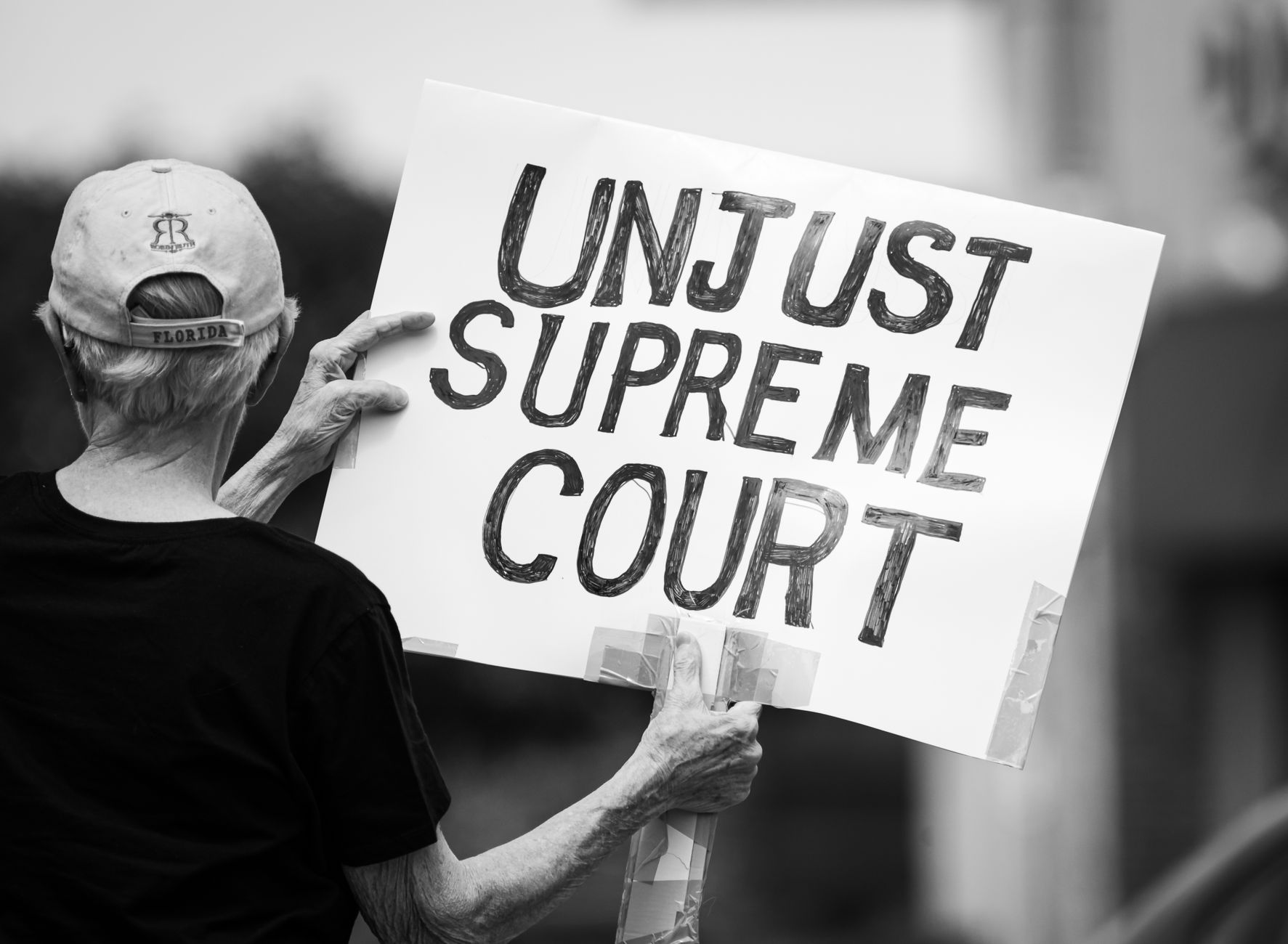
In a withering rebuke, the Supreme Court of India has described Right to Information (RTI) activism as a burgeoning business venture, refusing to grant anticipatory bail to an activist entangled in a legal tussle. Justice Mehta, presiding over the case, did not mince words. 'RTI activism has become a new business,' he remarked, pointing to the misuse of the transparency tool designed to empower citizens.
The case involved an activist seeking pre-arrest bail after the Punjab and Haryana High Court dismissed his plea. Justice Mehta's words were unequivocal: 'You are nobody. So-called RTI activist! Yellow journalism.' His comments reflect growing judicial impatience with what is perceived as the monetisation of activism.
The Business of Activism
The RTI Act, enacted in 2005, was hailed as a revolutionary step towards transparency in governance. However, allegations of its misuse have surfaced, with some activists accused of leveraging the Act for financial gain rather than public interest. The court's decision underscores the fine line between genuine public service and opportunistic endeavours.
Justice Mehta's comments resonate with the concerns of many who believe that the RTI mechanism, while powerful, should not become a tool for personal enrichment. 'Are you an engineer there or superior authority?' he questioned, criticising the activist's attempts to oversee road construction funded by the central government.
Implications for RTI Activism
This ruling could have significant implications for RTI activism in India. It raises questions about accountability and the ethical boundaries of activism. While the RTI Act remains a critical tool for transparency, its potential abuse could undermine its original intent.
The court's decision may prompt a re-evaluation of the role of RTI activists, ensuring that their actions align more closely with public interest rather than personal gain. As the debate continues, the need for a balanced approach to activism becomes ever more crucial.