Supreme Court Questions Environmental Activists' Stance on Development Projects
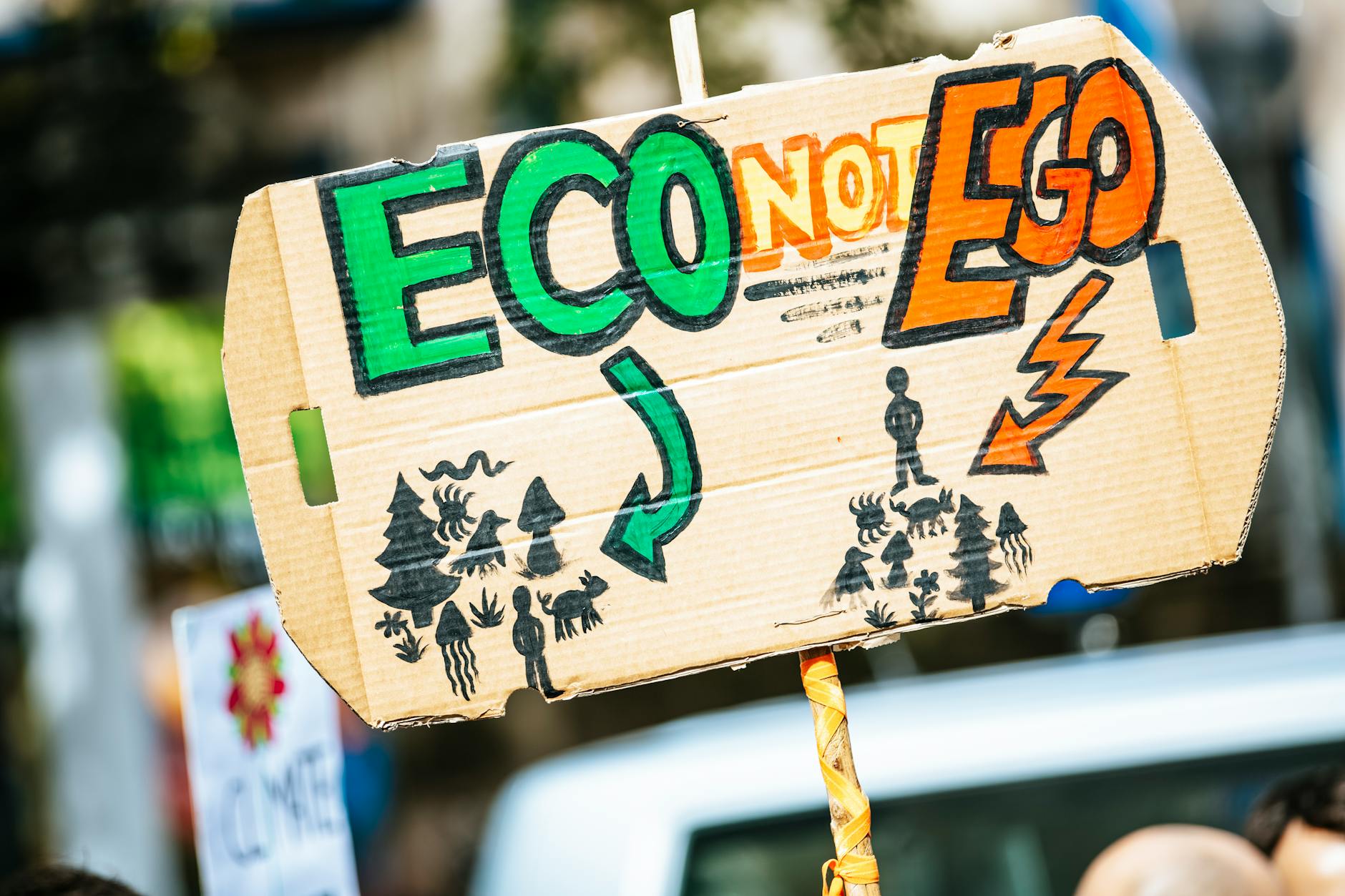
In a rare moment of candour, the Indian Supreme Court has openly challenged environmental activists to name a single development project they support. This came as the court, led by Chief Justice Surya Kant, lamented the unyielding opposition these activists pose to almost every governmental initiative.
The bench's statement, "Show us even a single project in this country where these so-called environmental activists have said that we welcome this project," underscores the judiciary's growing frustration with what it sees as the obstruction of progress under the guise of environmentalism.
The question of whether environmental protection should stall national development is not new, but the court's remarks have reignited the debate. At the heart of this issue is the tension between the need for infrastructure to boost economic growth and the imperative to protect the environment. Critics argue that activists often overlook the benefits projects bring, such as jobs and improved infrastructure.
However, environmentalists contend that their opposition is not blanket but based on the failure of many projects to adhere to sustainable practices. They argue that projects like Adani’s Carmichael coalmine, which recently cleared legal hurdles in Australia, often ignore environmental safeguards, threatening local ecosystems and communities.
The Supreme Court's comments have raised questions about the role of the judiciary in mediating between development and environmental protection. Should the judiciary act as a mere facilitator of governmental projects, or should it ensure stringent environmental compliance?
This discourse comes at a critical time when India, a burgeoning economy, is grappling with the challenge of sustainable development. As the government pushes for rapid industrialisation, the need for a balanced approach that satisfies both economic and environmental imperatives becomes ever more pressing.