Symbolism and Strategy: Khamenei's Funeral Procession
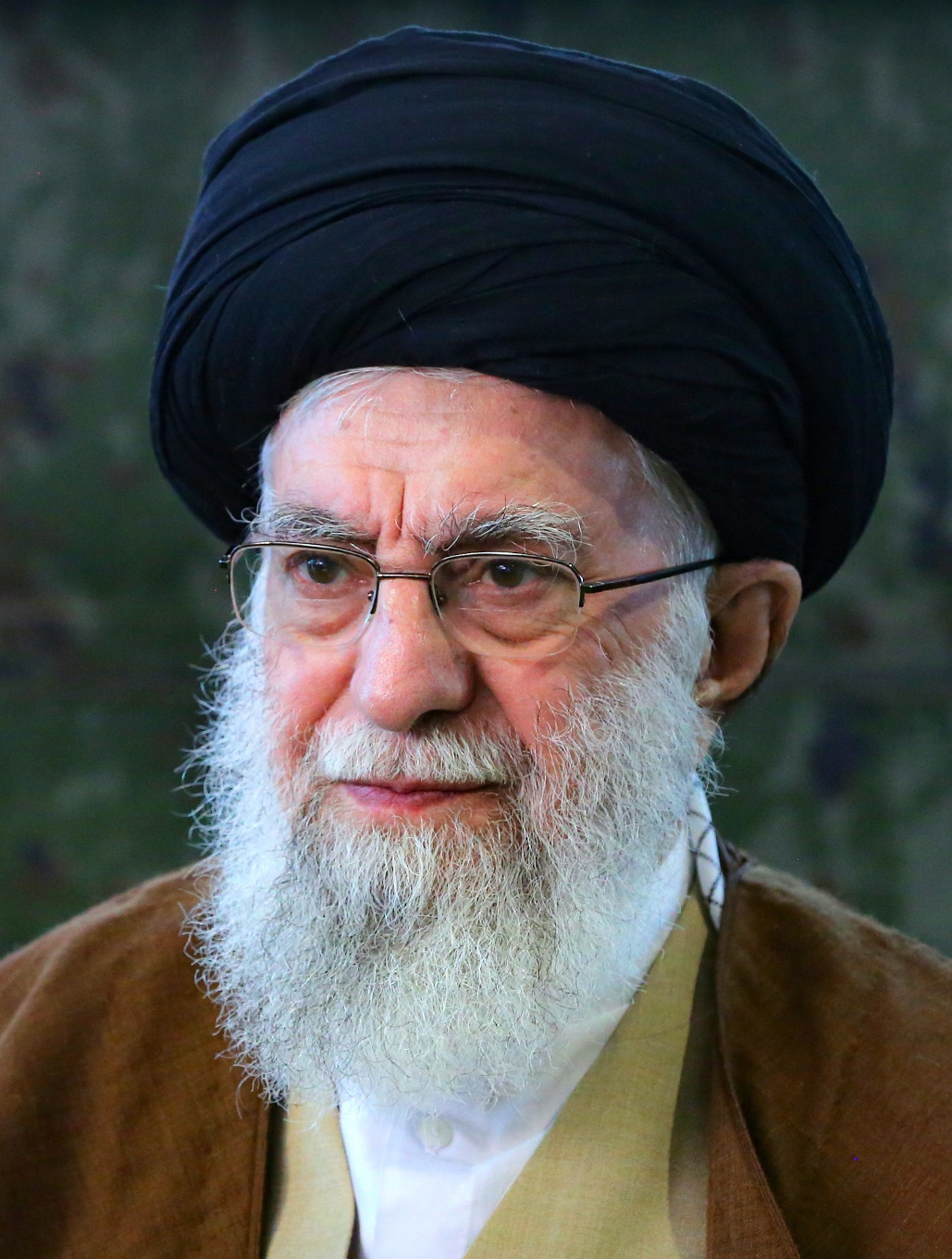
The funeral of Iran's supreme leader, Ayatollah Ali Khamenei, is no ordinary farewell. As preparations unfold with a scale befitting the man who shaped Iran's modern identity, the event is steeped in symbolism that transcends mere mourning. It is both a reflection of Shiite traditions and a calculated projection of political power.
With millions expected to attend, including a host of international dignitaries, the ceremony is a testament to Khamenei's influence. The three-day national mourning, beginning in Tehran, is not just a national affair. It is a spectacle designed to convey Iran's geopolitical message to the world.
Religious Reverence Meets Political Prowess
Shiite Islam places significant emphasis on the rituals surrounding death, and Khamenei's procession is rich with these traditions. The decision to extend the funeral route through Iraq's Shia cities of Kerbala and Najaf is particularly telling. These cities are not only religiously significant but also serve as a reminder of Iran's sway over its neighbour.
Such a move underscores Tehran's commitment to supporting Shia communities beyond its borders, reinforcing its position as a leader in the Islamic world. This is further amplified by the attendance of delegations from groups such as Hamas and Hezbollah, with whom Iran has reaffirmed alliances amidst ongoing regional tensions.
A Message to the West
While the funeral honours Khamenei's religious and political legacy, it also serves as a statement to the West. In a region fraught with conflict, Iran's show of unity and strength during the ceremony is a clear message of defiance. By enveloping the funeral in the broader narrative of resistance, Iran seeks to solidify its role as a formidable counterbalance to Western influence in the Middle East.
This grand procession is as much about the future as it is about the past. As Khamenei's sons step forward, absent a clear successor, the funeral sets the stage for Iran's next chapter. It is a reminder that while leaders may pass, their ideologies often endure.