Syria's New Dawn: Government Reshuffle Marks a Turning Point
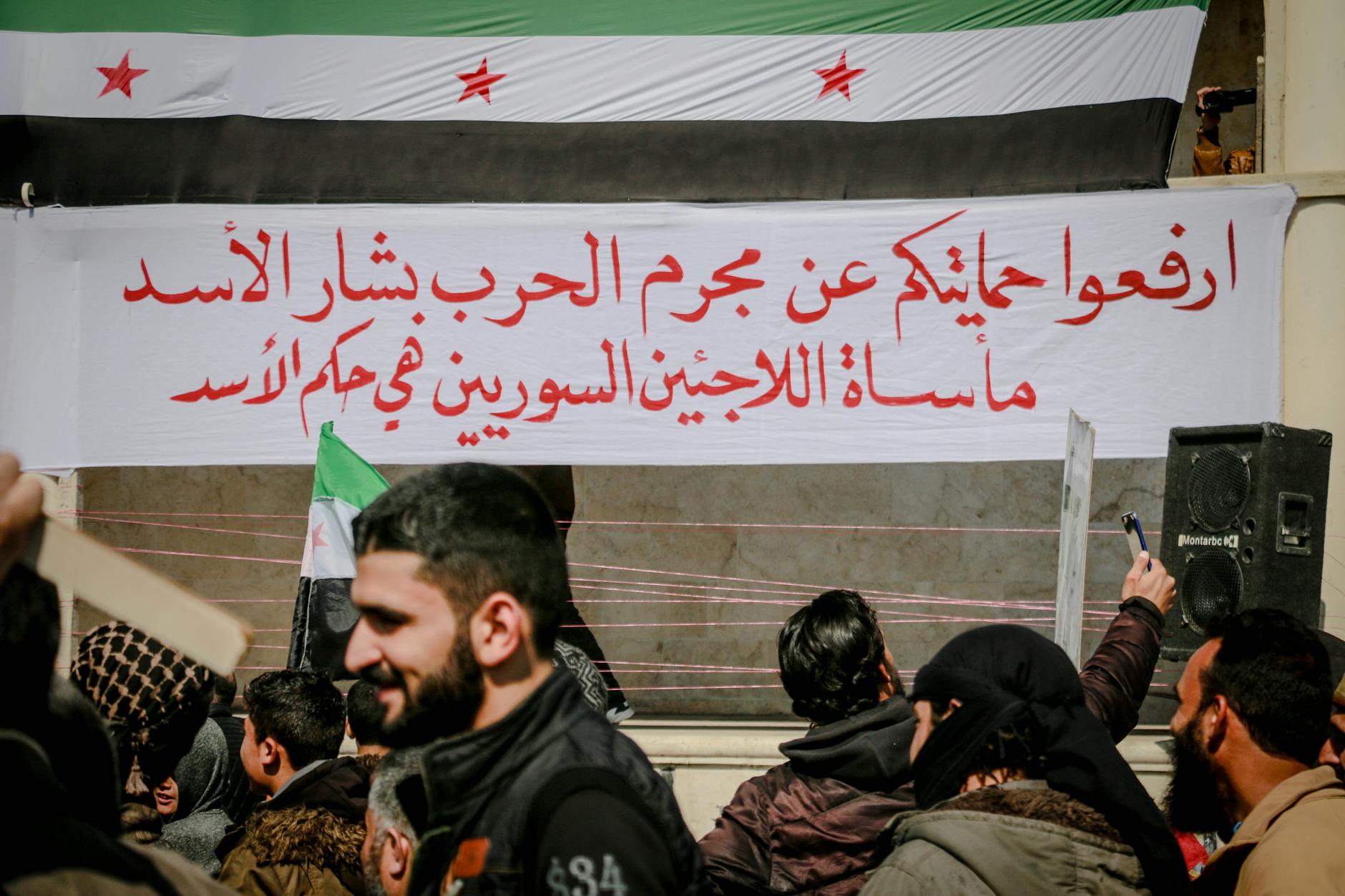
In Damascus, a city still reeling from the echoes of civil strife, the announcement of a government reshuffle has cast a new light on Syria's evolving political landscape. President Ahmad al-Sharaa, who took the helm after the ousting of Bashar al-Assad, has introduced significant changes to his cabinet. This marks the first reshuffle since Assad's fall from power in December 2024.
The reshuffle, unveiled on Saturday, is seen as a strategic move to consolidate power and address growing concerns of nepotism and inefficiency within the administration. Notably, al-Sharaa has removed his brother from a key ministerial role, a decision that has been met with cautious optimism. Critics had long pointed to his brother's position as emblematic of the old regime's cronyism.
This political manoeuvre comes amidst a five-year transitional period laid out in Syria's constitutional declaration. As the nation attempts to recover from years of civil war, the reshuffle aims to unify a fractured society and galvanise support for the new administration. The focus is on inclusivity and bridging divides that have long plagued the Syrian political scene.
Observers note that while the reshuffle may not immediately resolve Syria's deep-seated issues, it signals a willingness to adapt and reform. The removal of controversial figures and the appointment of technocrats suggest a shift towards a more meritocratic governance model, albeit within a framework that remains highly centralised.
As the dust settles, the international community watches closely. The reshuffle offers a glimmer of hope for stability in a region beset by turmoil. However, the path to peace and prosperity remains fraught with challenges.