T. Rex Auction Sparks Debate on Fossil Ownership
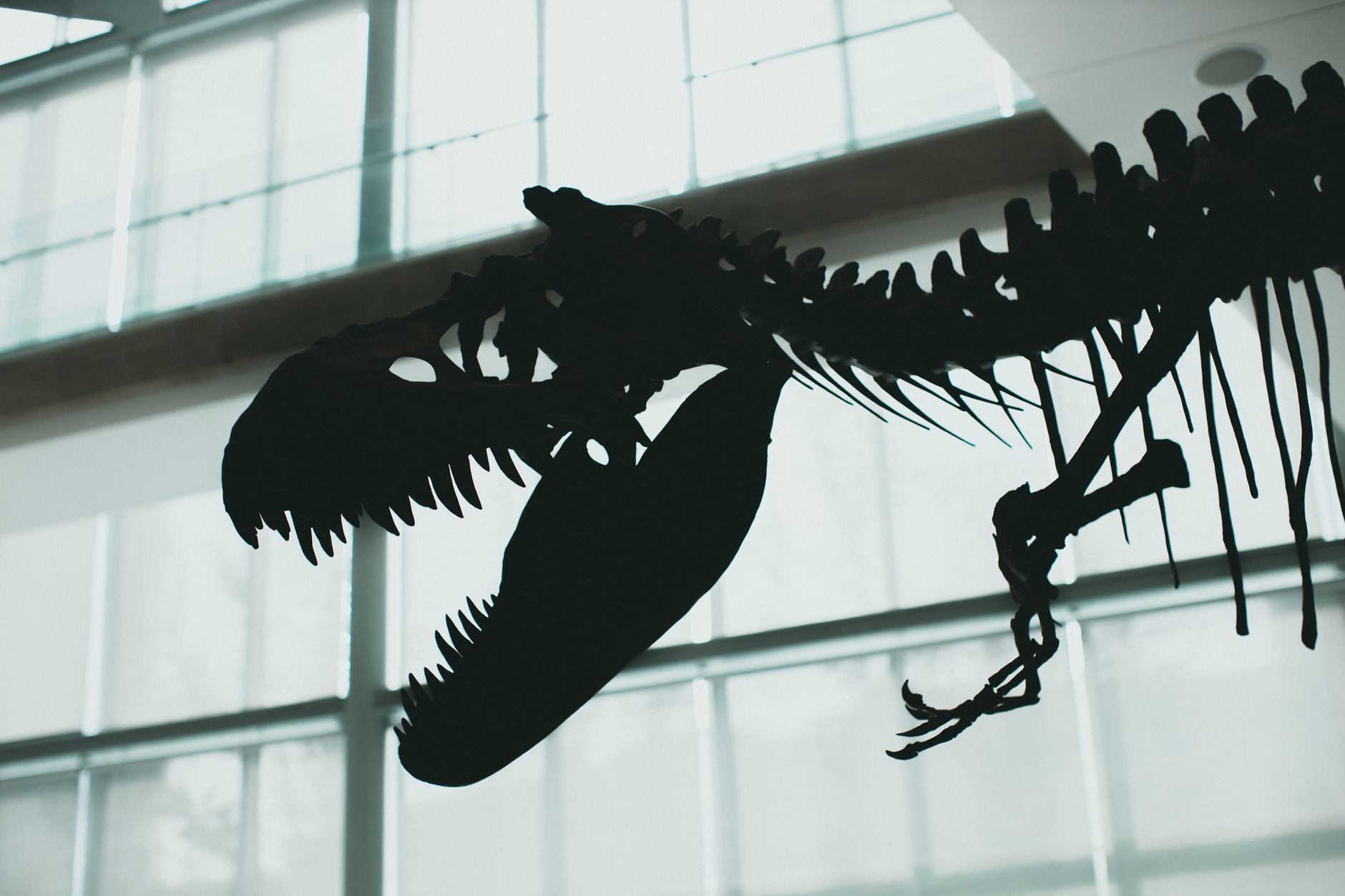
The latest chapter in the saga of dinosaur bones and auction houses has once again stirred the pot, as a Tyrannosaurus rex fossil fetched a staggering $31.8 million at auction. This sale positions the fossil as potentially the most expensive ever, eclipsing the previous record held by another T. rex specimen known as Sue. While the hefty price tag grabs headlines, the implications for science are equally significant.
The sale of such a scientifically valuable specimen raises critical questions about the accessibility of fossils. Museums, often operating on tight budgets, struggle to compete with wealthy private collectors. As these fossils are snapped up by the highest bidder, they risk becoming inaccessible to the scientific community, which relies on such specimens to advance our understanding of prehistoric life.
The Private Collector Dilemma
Private ownership of significant fossils is not a new phenomenon, but it has become increasingly controversial. While collectors argue their purchases preserve history, scientists counter that these sales can restrict access to vital research materials. The question remains: should such specimens be reserved exclusively for academic institutions?
There is a growing call for international regulations to prevent critical scientific artefacts from disappearing into private collections. Proponents argue that these fossils are part of our shared natural heritage and should remain in the public domain. However, implementing such regulations poses its own challenges, particularly in the face of lucrative private markets.
The Future of Fossil Sales
As the debate rages on, the scientific community continues to advocate for greater collaboration between private owners and researchers. Some suggest that fossils sold to private collectors should come with stipulations, such as making them available for study or public display.
This latest sale serves as a stark reminder of the tensions between scientific advancement and commercial interests. With millions at stake, the allure of auctioning off history remains strong, but the cost to science may be immeasurable.