T. rex Fossil Auction Sparks Debate Over Scientific Access
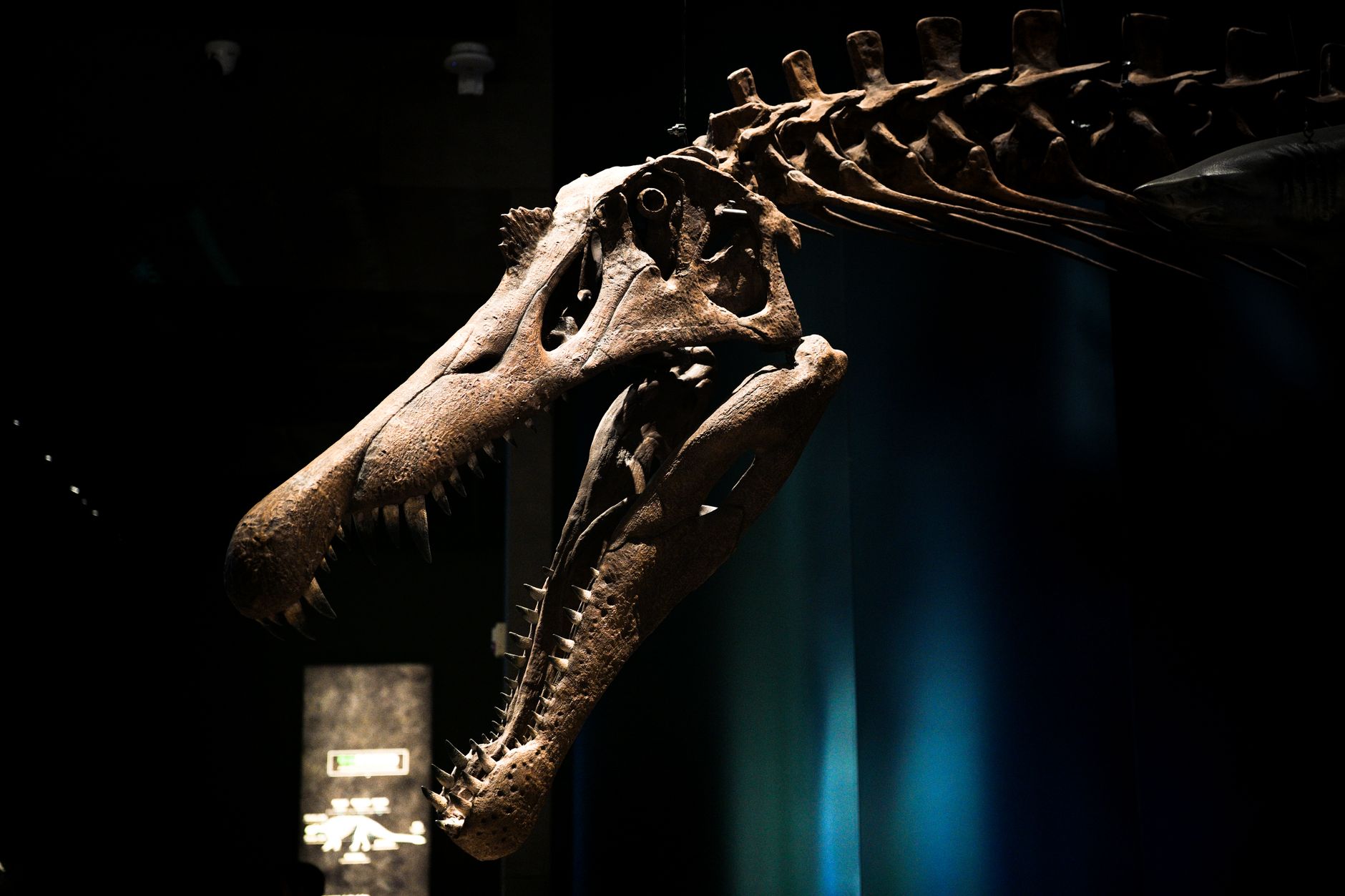
When the hammer falls at the auction house, it may echo far beyond the room, stirring debates in dusty lecture halls and research centres around the world. The potential sale of another Tyrannosaurus rex fossil, poised to fetch a record-breaking price, has unearthed a familiar controversy. This is not merely about the millions it might command, but about who will have the privilege to study it.
The fascination with dinosaurs is as timeless as the creatures themselves. Yet, with the soaring prices of fossils, a rather modern dilemma emerges: should these scientifically invaluable specimens be housed in private collections, or reserved for public museums and academic institutions?
The Price of Prehistory
In recent years, the fossil market has exploded, with skeletons like Stan the T. rex fetching $31.8 million in 2020. Such figures reflect a market hungry for the prestige of owning a piece of ancient history. But with every sale, the scientific community grapples with the loss of access to these specimens. Museums, often with tight budgets, find themselves outbid by private collectors.
Dr. Emily Docherty, a palaeontologist at the University of Oxford, voices a common concern: "Each fossil locked away in a private collection is a potential loss to science. These are not just artefacts; they are keys to understanding our planet's past."
Balancing Ownership and Access
Yet, proponents of private sales argue that collectors play a role in preserving fossils and can fund further discoveries. Indeed, some private owners have loaned their acquisitions to museums, allowing public display and study. However, this is not always guaranteed, and the uncertainty fuels the ongoing debate.
The question lingers, then, about how to balance the commercial allure of these ancient relics with the imperative to keep them within the public domain. As the auction date looms, the scientific community watches closely, hoping for a resolution that favours both knowledge and preservation. Until then, the debate continues, as lively and unresolved as ever.