Tackling the Silent Maternal Killer: Postpartum Haemorrhage
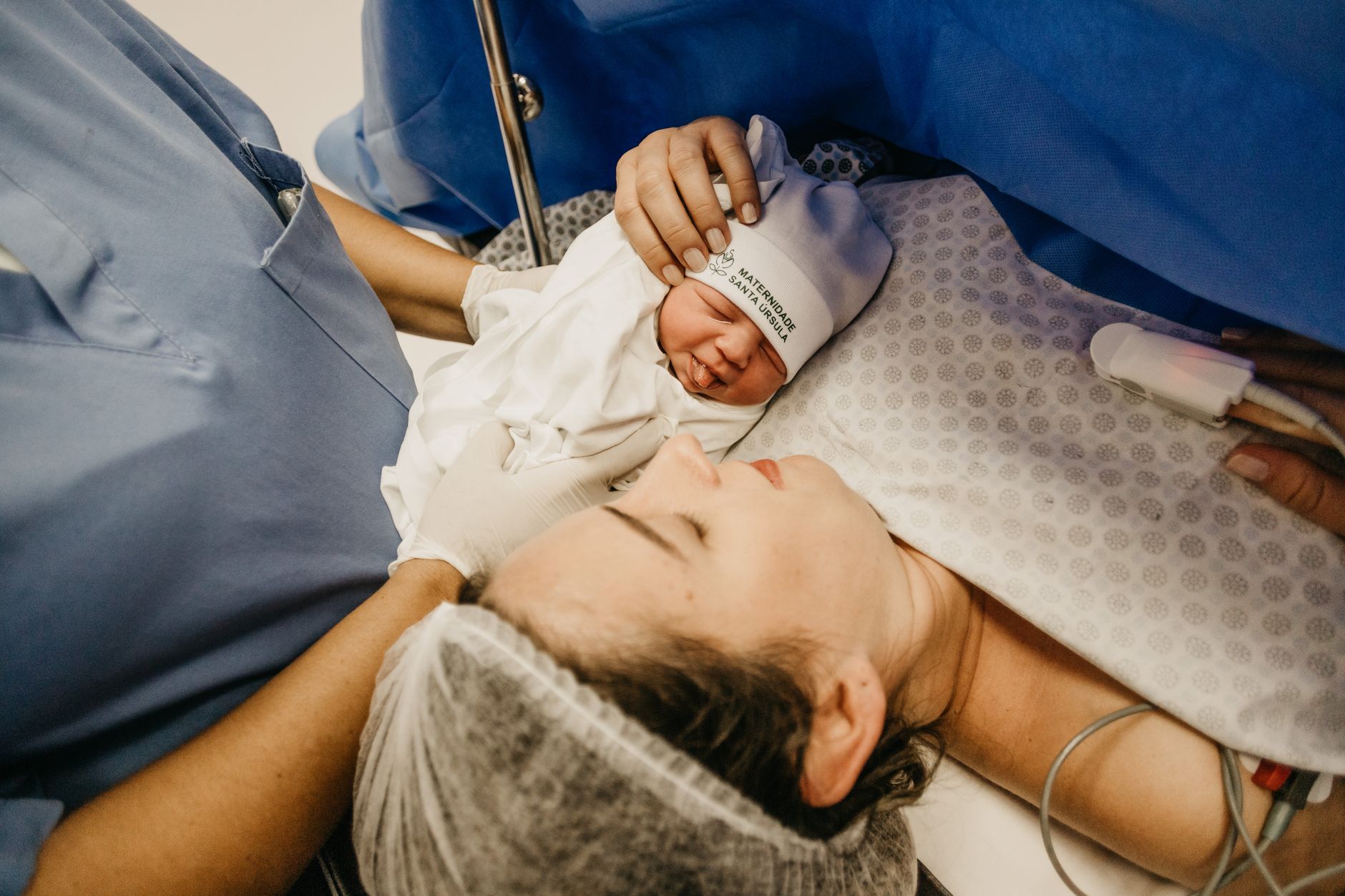
Amidst the joyous cries of newborns, a silent threat lurks in maternity wards worldwide. Postpartum haemorrhage (PPH), characterised by excessive bleeding after childbirth, lays claim to the lives of nearly 43,000 women each year. This makes it the leading direct cause of maternal mortality globally, a grim statistic that underscores an urgent public health concern.
PPH can manifest in the form of persistent vaginal bleeding, often accompanied by symptoms such as dizziness, blurred vision, and increased heart rate. If not promptly managed, it can lead to organ failure and death. The causes range from uterine atony, where the uterus fails to contract effectively, to retained placenta or trauma during delivery.
Hope in Medical Advances
Despite the daunting figures, medical science offers a beacon of hope. Uterotonics, a class of drugs designed to induce uterine contractions, have emerged as a vital tool in the prevention and management of PPH. These medications, when administered immediately after childbirth, help constrict the blood vessels and reduce blood loss significantly.
The World Health Organisation advocates the universal use of uterotonics as a preventive measure for all birthing women. However, the challenge remains to ensure that these life-saving drugs are accessible to women across all socio-economic strata and in regions with limited healthcare infrastructure.
Economic Implications
The economic burden of PPH is staggering, costing over $10 billion annually. This includes direct medical expenses and the broader socio-economic impact on families and communities. Investing in preventive measures and treatment is not only a health imperative but also an economic necessity.
The path forward must involve a concerted effort from governments, healthcare providers, and international organisations to prioritise maternal health. Awareness campaigns, training for healthcare professionals, and equitable distribution of medical resources are critical steps in reducing the mortality rate associated with this condition.
As the world grapples with this silent killer, it is imperative to remember that each statistic represents a mother, a family, and a community affected by a preventable tragedy. With the right interventions, we can turn the tide against postpartum haemorrhage.