Taliban Dress Code Cripples Afghan Businesses as Women Stay Home
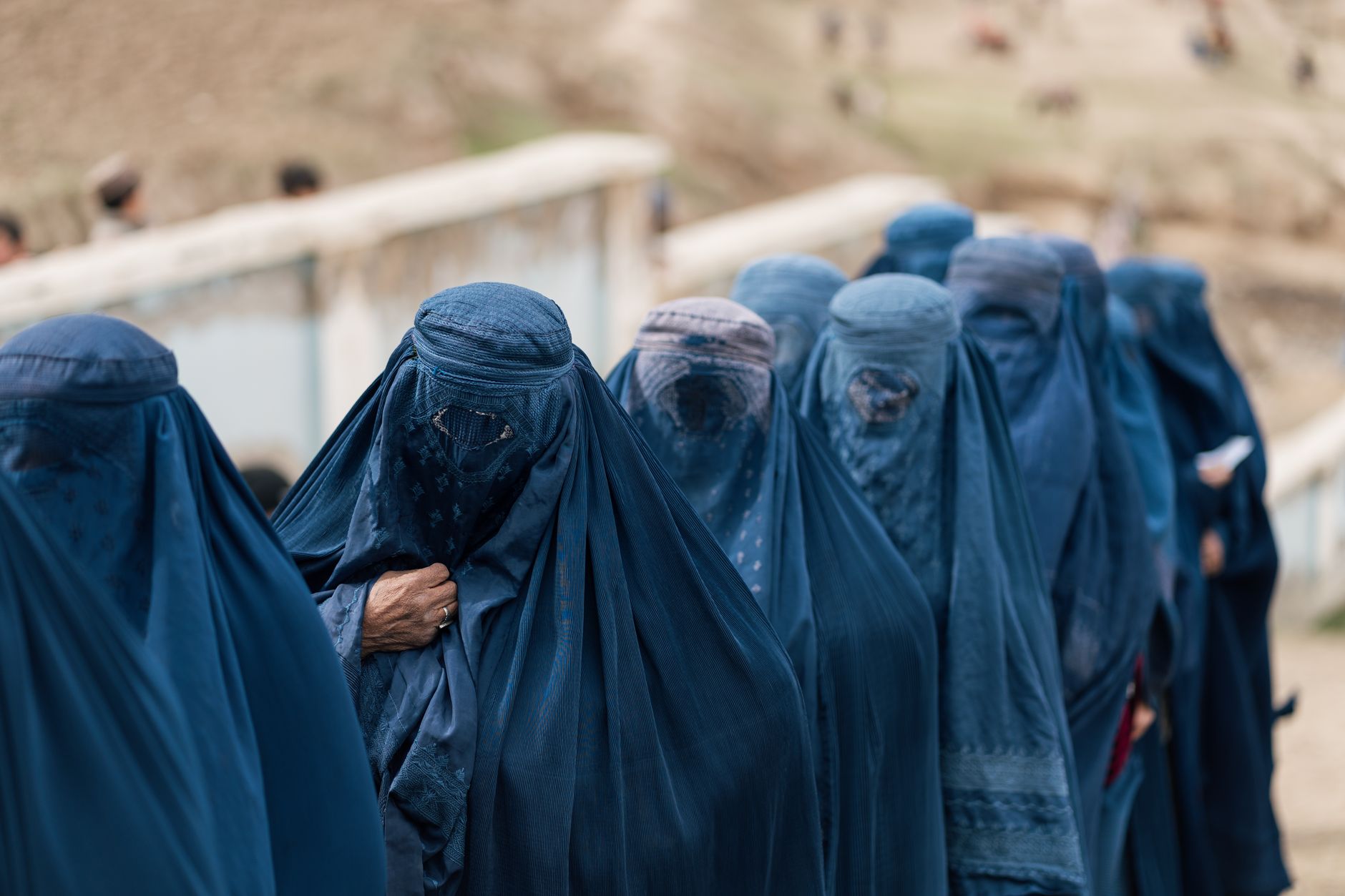
The bustling markets of Herat, once vibrant with the chatter and bustle of women shoppers, now stand eerily quiet. The Taliban's latest enforcement of strict dress codes has coerced many Afghan women to retreat indoors, leading to a palpable economic downturn.
Local businesses, particularly those reliant on female clientele, are feeling the pinch. Clothing stores, beauty salons, and even cafes report a drastic drop in customers. For many, this is reminiscent of the dark days of the Taliban's previous regime, when women were similarly confined to their homes.
The current dress code requires women to cover themselves entirely in black garments, a rule that extends to university students and teachers. These measures have not only deterred women from participating in public life but also sparked a wave of online protests under hashtags like #DoNotTouchMyClothes. However, in a nation where internet access is limited, the impact of such campaigns remains questionable.
Economic Implications
The economic implications are grave. Afghanistan's fragile economy, already reeling from decades of conflict, cannot afford to alienate half of its population. Women, who play a crucial role in the informal economy, find their opportunities to earn and spend severely restricted. This contraction in economic activity is particularly devastating for small and medium enterprises (SMEs) that depend heavily on local trade.
Moreover, the loss of female participation in the workforce threatens to widen the gender gap, reversing years of progress in women's rights and education. This setback has drawn international condemnation, highlighting the tension between the Taliban's hardline governance and the aspirations of modern Afghan society.
Social Consequences
Beyond the economic realm, the social consequences are profound. By enforcing such restrictions, the Taliban risks further isolating Afghanistan from the global community. The dress code and its repercussions underscore a broader struggle between conservative ideologies and the desire for progress and modernity.
As the world watches, the resilience of Afghan society will be tested. While some hope for a relaxation of these measures, others fear that the current trajectory may lead to a prolonged period of socio-economic stagnation.